
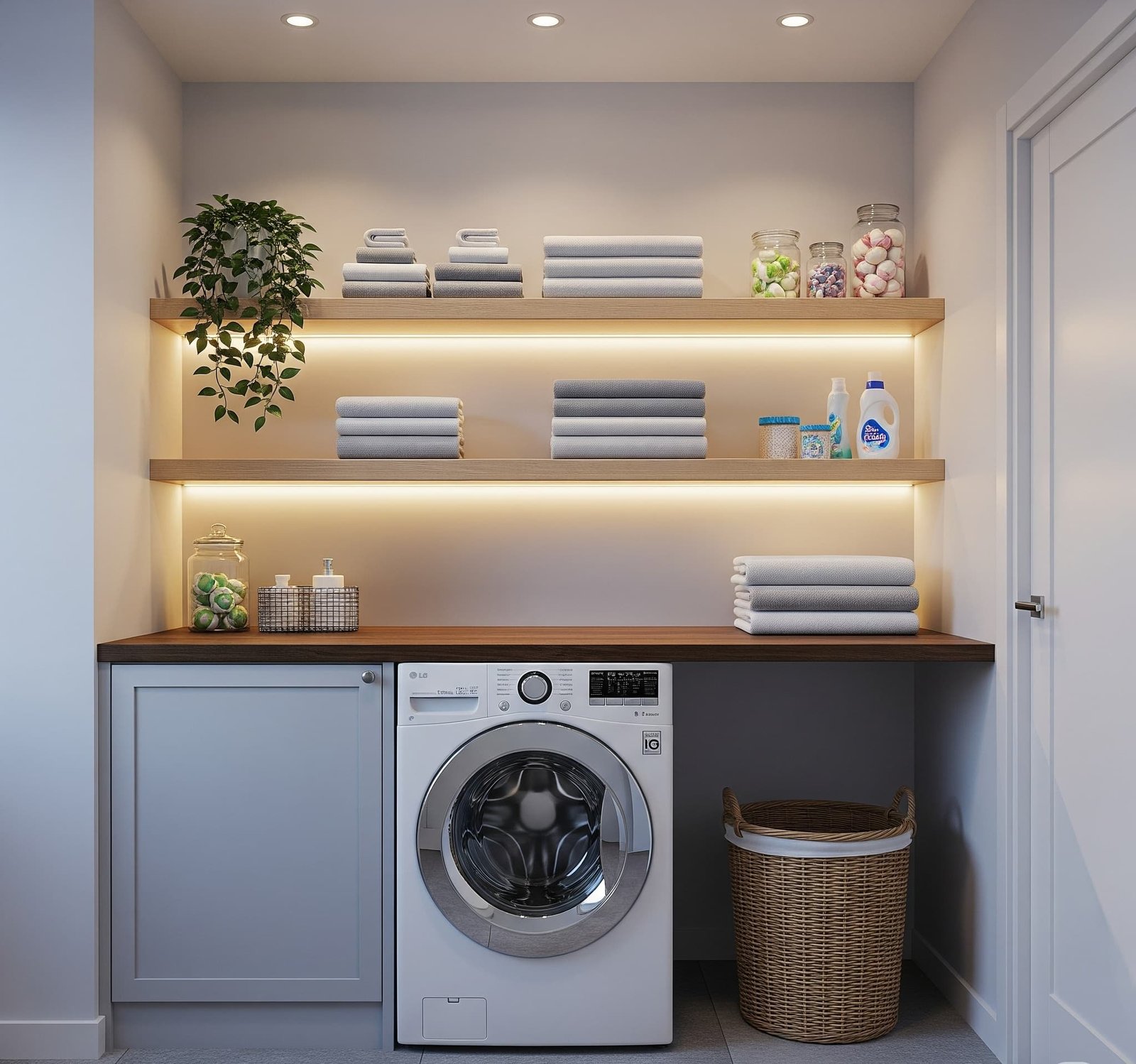
Are LG washing machine reliable? I’ve pulled apart enough LG drums to know the honest answer isn’t a simple yes or no; it depends entirely on which generation of motor and control board sits inside the specific model you’re eyeing. In 2026, LG is still one of the most-searched washing machine brands on the planet, but “popular” and “reliable” aren’t the same word. This post goes past the marketing copy and into what actually holds up: real failure points, what a technician sees after two years of service calls, and where LG genuinely earns its reputation versus where it’s coasting on it.
Table of Contents
Why LG’s Reliability Reputation Actually Matters
A washing machine isn’t a small purchase decision; it’s a decade-long relationship with a machine you’ll run three to seven times a week. When people ask whether LG washing machines are reliable in 2026, what they’re really asking is narrower than it sounds: will this specific machine still run without a service call in year four, and if something does break, will parts and technicians actually be available where I live? That’s the lens this entire review is built around, rather than generic “why reliability matters” advice that applies to any appliance brand.
👉 [LG washing machine common problems and solutions]
LG’s Reputation in the Washing Machine Market
LG has built its reputation on feature-rich, motor-driven engineering rather than mechanical simplicity. Its direct drive motor architecture, refined over more than a decade, remains the backbone of nearly every current LG washer, and it’s the single biggest reason LG continues to top reliability surveys among smart, feature-heavy machines. Into 2026, LG’s lineup still leans on AI-assisted wash cycles, inverter direct drive motors, and app-based smart diagnosis; the core technology hasn’t been replaced, just refined with firmware and sensor updates.
Key Reliability Features of LG Washing Machines in 2026
- Inverter Direct Drive Motor: Removes belts and pulleys entirely, which cuts out the two most common wear parts in a traditional washer motor and reduces noise and vibration over years of use.
- AI DD™ Technology: Uses load-weight and fabric-softness sensors to auto-adjust wash motion, which reduces drum strain on oversized or unbalanced loads, a common cause of premature bearing wear on cheaper machines.
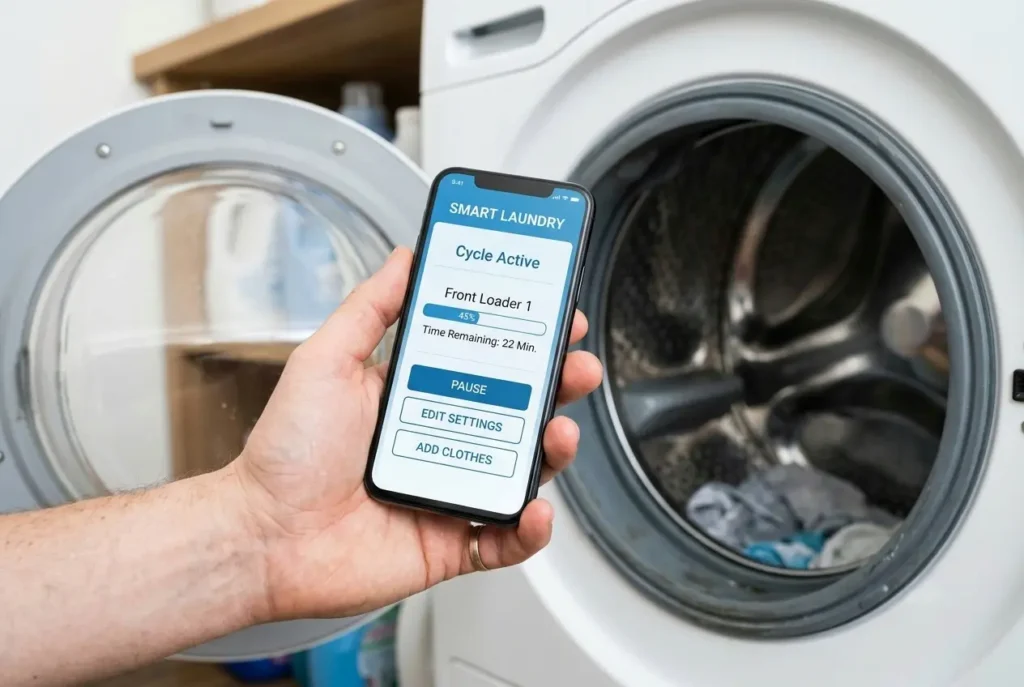
- Smart Diagnosis™: Lets you run a diagnostic scan from your phone before booking a technician, which can save you an entire service call if the issue turns out to be a simple error code rather than a hardware failure.
- TurboWash™ and Steam Features: Faster, deeper cleaning cycles with lower water use, genuinely useful day-to-day, though these add moving parts (steam generators, extra valves) that are worth knowing about before you buy the top-tier model.
- Energy Star Certification: Most current LG washers meet or exceed efficiency standards, which matters less for reliability directly but does reduce strain on the motor and heating elements over time.
What LG Doesn’t Advertise: Insider Reliability Notes
Here’s what a spec sheet won’t tell you and what a knowledgeable salesperson should be asking you before recommending a model.
The feature that sounds impressive but rarely matters: AI DD’s fabric-sensing gets heavily marketed, but in practice most owners run the same two or three cycles for years and never notice it working. It’s a genuinely solid engineering feature, but it’s not the reason to choose LG over a competitor; the direct drive motor and drum suspension system are doing the real reliability work.
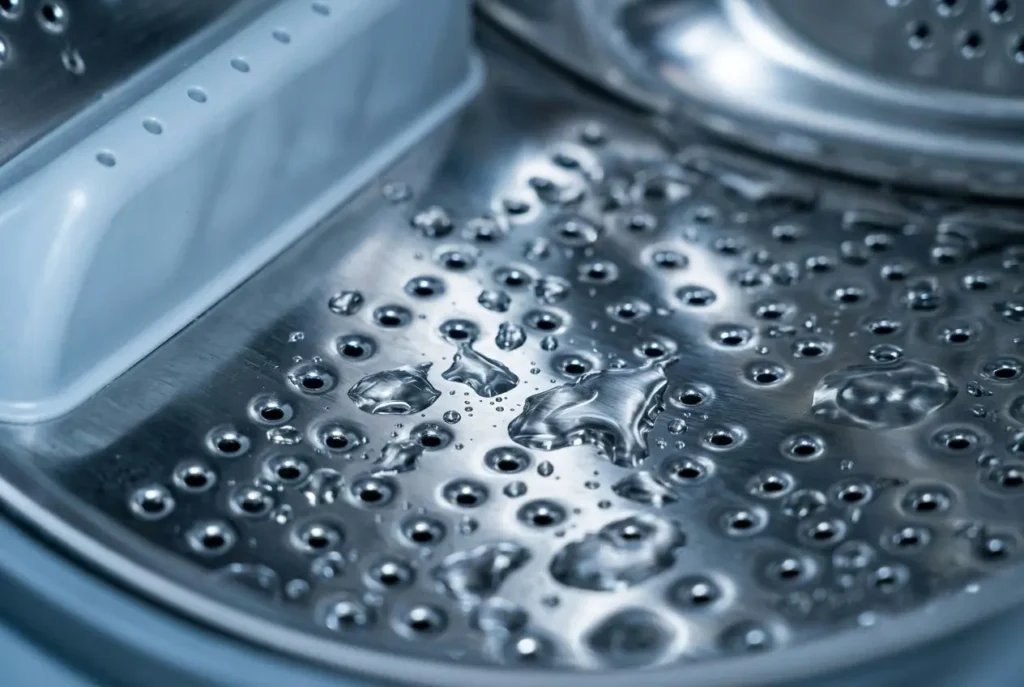
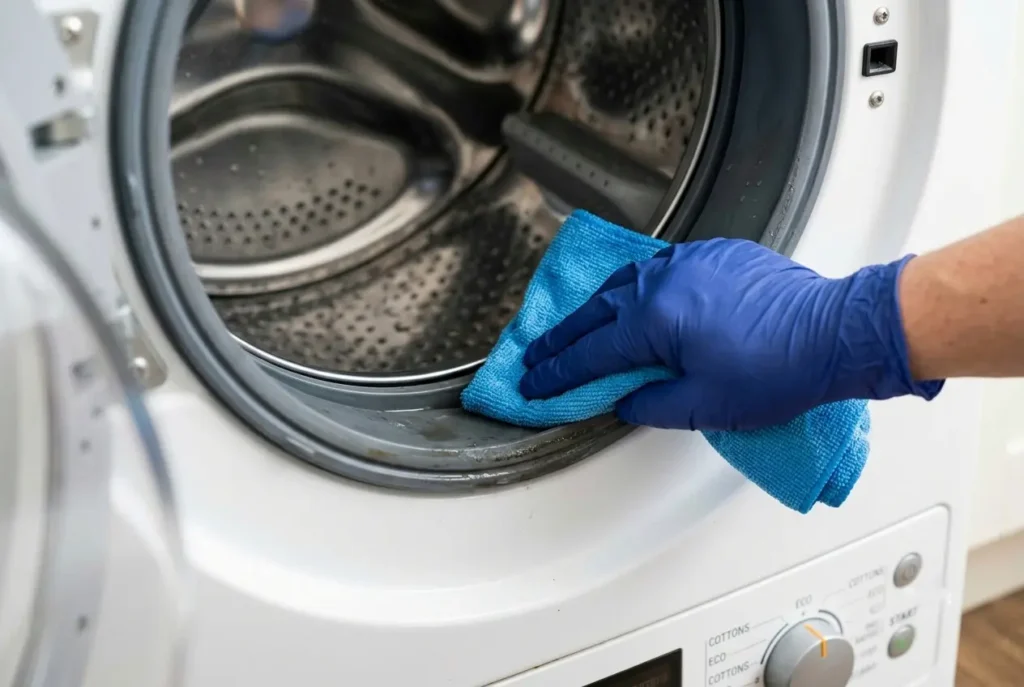
The hidden long-term cost: LG’s front-load door boots (the rubber gasket around the drum opening) trap moisture more than top-load designs, and if you skip wiping them down after each cycle, mold and odor buildup is the single most common reason owners call a technician in years two and three, not a motor or electronics failure at all.
The question a good salesperson would ask you: “How hard is your water?” LG’s control boards are sensitive to mineral scale buildup on internal valves in hard-water regions, and skipping a monthly tub-clean cycle accelerates valve wear noticeably faster than in soft-water areas. This is rarely mentioned in-store but matters more than almost any spec on the box.
Real User Feedback and Expert Reviews
Across owner forums, retailer review sections, and appliance repair communities, a consistent pattern shows up for LG’s current front-load and top-load lineup: strong marks for quiet operation, smooth wash cycles, and multi-year durability, alongside a smaller but recurring set of complaints about gasket odor and, on older units, water-level sensor drift. Compared to budget brands, LG owners report needing fewer repair calls in the first five years, and when a repair is needed, it’s more often a sensor or gasket issue than a motor failure, which tends to be a cheaper, faster fix.
Popular LG Models That Stand Out in 2026
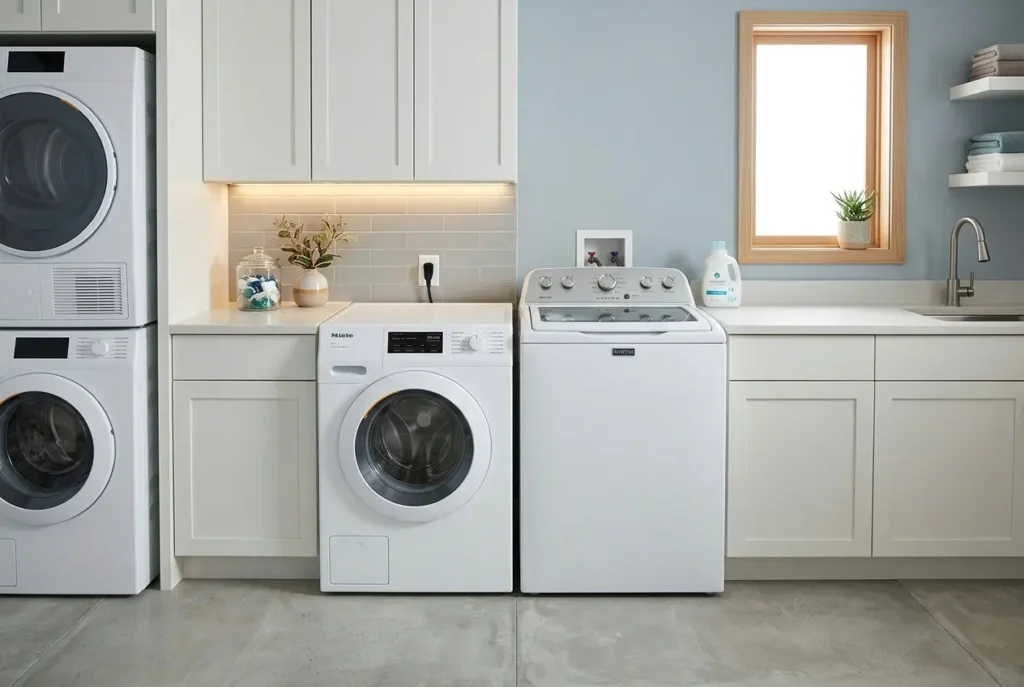
LG’s core lineup hasn’t been overhauled for 2026, the WM4500HBA-class front loader, the WT7405CW-class top loader, and the WashTower vertical combo units remain the models most owners and technicians point to. Rather than list specs again, here’s how they actually compare on the things that affect long-term reliability:
| Model Type | Best For | Reliability Strength | Watch-Out |
| Front Load (WM4500HBA-class) | Large households, deep cleaning needs | Steam + direct drive combo handles heavy loads well | Gasket needs regular wipe-downs to avoid odor |
| Top Load (WT7405CW-class) | Traditional users, easier loading | Simpler mechanical path, fewer moving parts than front-load steam models | Slightly less water-efficient than front-load equivalents |
| WashTower (WKGX201HBA-class) | Space-constrained households | Space-saving without sacrificing capacity | A single control board failure can affect both washer and dryer functions |
Which Model Actually Fits Your Household
Specs matter less than how you’ll actually live with the machine day to day, so here’s how reliability plays out across a few common household types.
The large family doing daily laundry: The front-load WM4500HBA-class unit’s combination of steam cleaning and AI DD load sensing earns its keep here, heavy, mixed-fabric loads are exactly the scenario the load-sensing feature was designed for, and the extra capacity means fewer total cycles, which translates to less overall wear over a year.
The traditional user who wants simplicity: The top-load WT7405CW-class model is the more forgiving choice for buyers who don’t want to manage app connectivity or worry about gasket maintenance at all, top-load designs don’t trap standing moisture the way front-load door seals do, which removes the single most common LG-specific complaint entirely.
The space-constrained apartment or condo owner: The WashTower’s vertical design is the obvious space-saver, but it’s worth knowing that combining the washer and dryer onto one shared control board means a single electronics failure can take out both machines at once, a trade-off worth weighing against the space savings before committing to it over two separate units.
Total Cost of Ownership: What an LG Washer Really Costs Over Time
This is the part most reliability articles skip entirely, and it’s the part that actually determines whether you’re happy with the purchase in year three.
Parts and repair availability: LG has one of the widest independent-technician networks of any washing machine brand, which matters more than people expect, a reliable machine that no one nearby can service is still a bad long-term buy. Motor and control board parts are generally easy to source; door gaskets and water inlet valves are the parts you’re most likely to need first.
Common buyer regrets: The most frequent regret isn’t reliability at all, it’s noise expectations. LG’s direct drive motors are quiet during the wash cycle but can get noticeably louder during high-speed spin on unbalanced loads, and buyers who didn’t expect this sometimes assume something’s wrong when it’s actually normal operation.
How it holds up after 1-2 years: The direct drive motor and drum suspension typically show no measurable performance drop in this window. What does change is the gasket seal, it can lose some of its “fresh” smell-resistance if maintenance is skipped, and door hinges on heavily-used units may develop a slight stiffness that a drop of silicone lubricant easily resolves.
Real-world noise and performance over time: Owners consistently report that wash-cycle noise stays flat throughout the first two years, it’s the spin cycle, not the wash cycle, where any noise change tends to show up, and it’s almost always tied to load balance rather than motor wear. If you notice a new grinding or scraping sound rather than the normal high-speed spin whir, that’s the one noise change worth calling a technician about; everything else is typically cosmetic wear on the drum suspension springs settling into their long-term position, which is expected and not a defect.
| Cost Category | LG (Direct Drive) | Budget Belt-Drive Brands |
| Typical first major repair (belt/motor coupling) | Rare, no belt to replace | Common within 3-5 years |
| Control board replacement | Moderate cost, wide parts availability | Varies widely by brand and region |
| Realistic lifespan with basic maintenance | 10-14 years | 7-10 years typical |
Are There Any Downsides?
LG washing machines are reliable overall, but a few specific downsides are worth knowing before you buy rather than after:
- Higher upfront cost compared to budget belt-drive brands, though this is often offset by lower repair frequency over a 10-year ownership window.
- Water-level and pressure sensors on older units can drift out of calibration after several years, causing under- or over-filling, usually a simple recalibration fix, not a full part replacement.
- Smart/Wi-Fi features add a genuine learning curve for less tech-comfortable users, and app connectivity issues are a common (if minor) source of frustration in the first few weeks.
- Front-load gasket odor, as covered above, is the single most common LG-specific complaint, and it’s almost entirely a maintenance issue rather than a design flaw.
None of these are dealbreakers, but they’re the honest list, not the marketing one. Worth adding: none of these downsides are unique to LG. Sensor drift, gasket odor, and app friction show up across nearly every smart front-load brand on the market. What sets LG apart isn’t the absence of these issues, it’s how cheaply and quickly most of them get resolved once you know what you’re looking at, a recalibration or a $10 gasket cleaner, not a service call that costs more than the fix is worth.
👉 [LG washing machine repair error code guide 2026]
Final Verdict: Is LG Worth It in 2026?
Yes, with a caveat. LG washing machines remain reliable in 2026 for buyers who are willing to do the small, consistent maintenance the direct drive design rewards: wiping the gasket, running a monthly tub-clean cycle, and not ignoring early Smart Diagnosis alerts. Skip that maintenance entirely, and you’ll shorten the machine’s life and increase your odds of an avoidable repair call. Do it, and a current-generation LG washer is one of the more dependable choices in its price bracket.
Pro Tip: Always compare model-specific repair histories, not just brand-wide reputation, before purchasing, reliability varies more by generation than most buying guides admit.
FAQs: Are LG washing machine reliable?
Q: How long does an LG washing machine last?
With proper care, regular tub-clean cycles and gasket maintenance, most LG washers last 10 to 14 years. The direct drive motor is typically the last component to fail, while gaskets and sensors are more likely to need attention first.
Q: Are LG washers good for large families?
Yes. Large-capacity front-load and top-load models handle heavy, frequent laundry loads well, and the AI DD load-sensing feature specifically helps reduce drum strain from the larger, more varied loads that big households tend to run.
Q: Is LG better than Samsung or Whirlpool?
It depends on your priorities. LG and Samsung are closely matched on smart features and direct drive reliability, while LG tends to have a slight edge in independent repair-network availability. Whirlpool often wins on straightforward repair simplicity for buyers who’d rather avoid smart features altogether.
Q: What actually breaks first on an LG washing machine?
In most cases, it’s the door gasket or a water inlet valve, not the motor. Gasket odor from trapped moisture is the single most common reason LG owners call a technician in the first two to three years, and it’s almost always preventable with a simple post-cycle wipe-down routine.
Q: Do I need the smart/Wi-Fi features to get a reliable machine?
No. The direct drive motor and drum suspension, the components actually responsible for long-term reliability, are present across LG’s lineup regardless of whether you choose a Wi-Fi-connected model. Smart Diagnosis is genuinely useful for troubleshooting, but skipping the connected features doesn’t mean sacrificing durability.
Q: Is LG’s direct drive motor really better than a belt-drive motor?
For long-term reliability, yes. Removing the belt and pulley eliminates the most common wear-and-failure point in traditional washing machine motors. It’s not a marketing gimmick, it’s the core engineering reason LG’s repair rates tend to run lower than belt-drive budget brands over a 10-year ownership window. That said, direct drive isn’t magic: the motor still connects directly to the drum shaft, so if the bearing supporting that shaft wears out, usually from years of overloaded, unbalanced washes, the repair can be more involved than a simple belt swap would have been. The trade-off is fewer failures overall in exchange for a slightly costlier repair on the rare occasion something does go wrong.
Q: What’s the most common regret LG owners report after a year?
Spin-cycle noise on unbalanced loads catches new owners off guard more than any actual defect. It’s normal operation, not a fault, but it’s rarely explained clearly at the point of sale, which is why it shows up so often in first-year reviews.
Want to explore specific model reviews or repair tips? Check out our other blog posts covering in-depth comparisons, maintenance advice, and user experiences.