
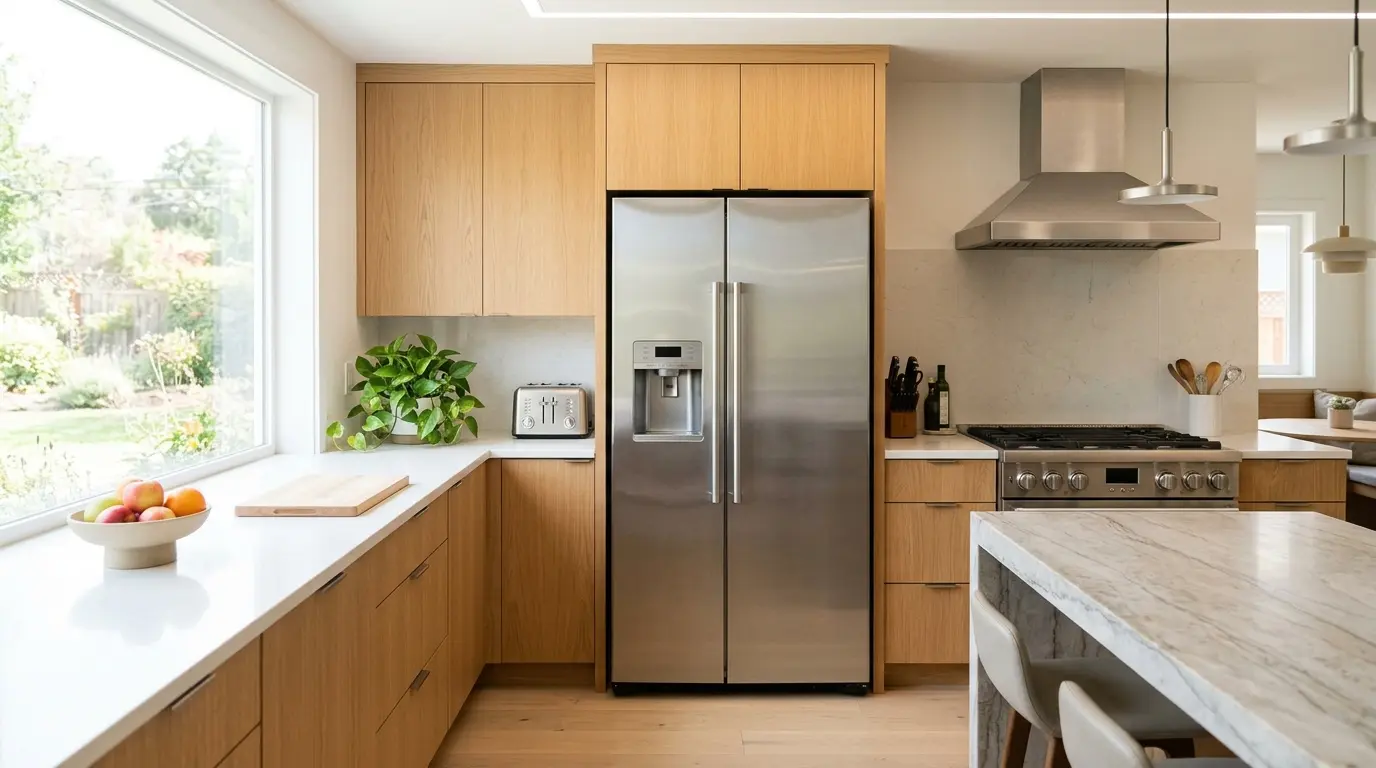
The GE side-by-side refrigerator running cost for your kitchen is the yearly energy use listed for your exact model, in kilowatt-hours, multiplied by the price per kilowatt-hour on your electric bill. Both numbers can be found from official sources in a few minutes. No single figure fits every unit, so this calculation is more reliable than any average.
Table of Contents
GE side-by-side refrigerator running cost: why there is no one number
A refrigerator never switches off, so its yearly electricity cost is easy to overlook. For a GE side-by-side, the figure depends on the exact model, its age, and the electricity rate where you live. A published average would only describe someone else’s kitchen. A short calculation built on official data for your own unit works better.
The method uses two inputs: the yearly energy use listed for your model number and the price your utility charges per kilowatt-hour. Multiply them, and the result is a reasonable estimate of your annual running cost. This guide covers where to find each input, how to combine them, what pushes real-world use above or below the listed figure, and when a rising bill points to a fault that needs attention instead of a calculator.
GE Side-by-Side vs. French Door: Which Layout Is Good for Your Kitchen (2026)?
Step 1: Find your model’s yearly energy use.
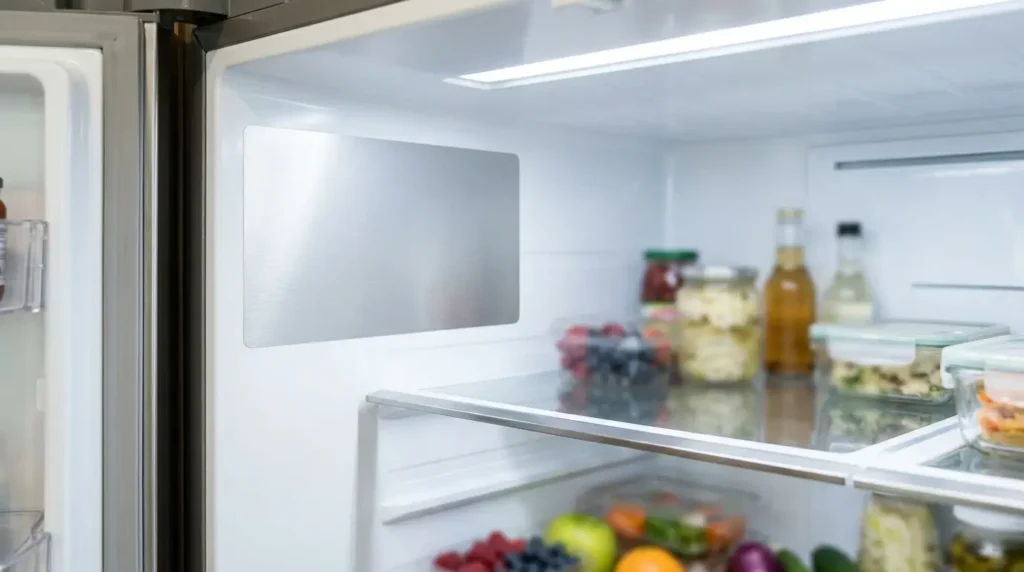
Look up your exact model number in the ENERGY STAR Product Finder. It lists model-specific energy use in kilowatt-hours per year, which makes it the most reliable starting point. GE usually prints the model number on a label inside the fresh-food compartment, and the owner’s manual shows the exact spot for your unit.
Step 2: Use the alternate official database if needed.
If the model is not listed on ENERGY STAR, check the California Energy Commission’s MAEDbS appliance database. It is an official alternate source of model-specific energy data.
Step 3: Find your electricity rate.
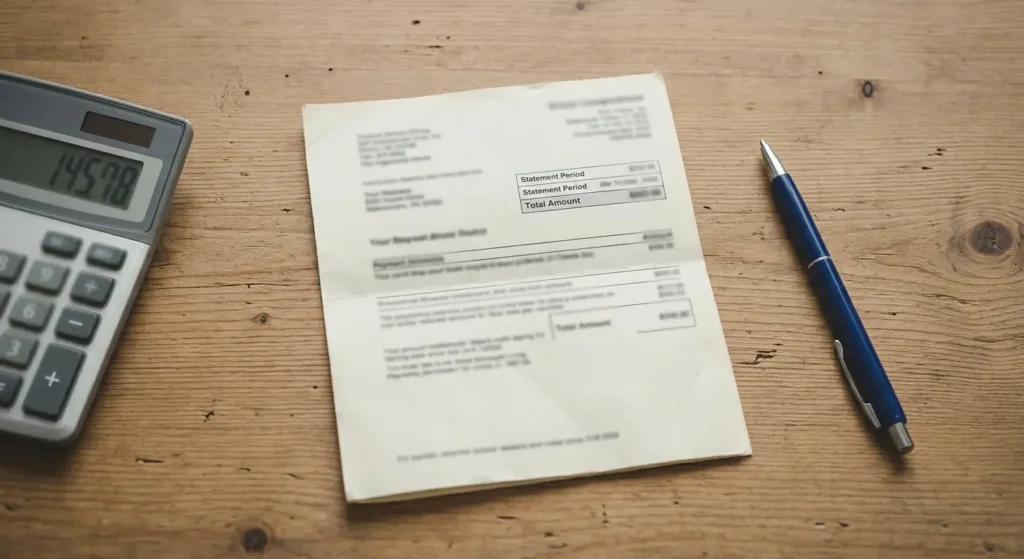
Your utility bill is the most accurate source for your price per kilowatt-hour. If the bill splits supply and delivery charges, add them together. For a general reference, the EIA’s Electric Power Monthly publishes residential rates by state. Rates change over time and differ by location, so check your latest bill or the current EIA data instead of relying on a remembered figure.
Step 4: Multiply
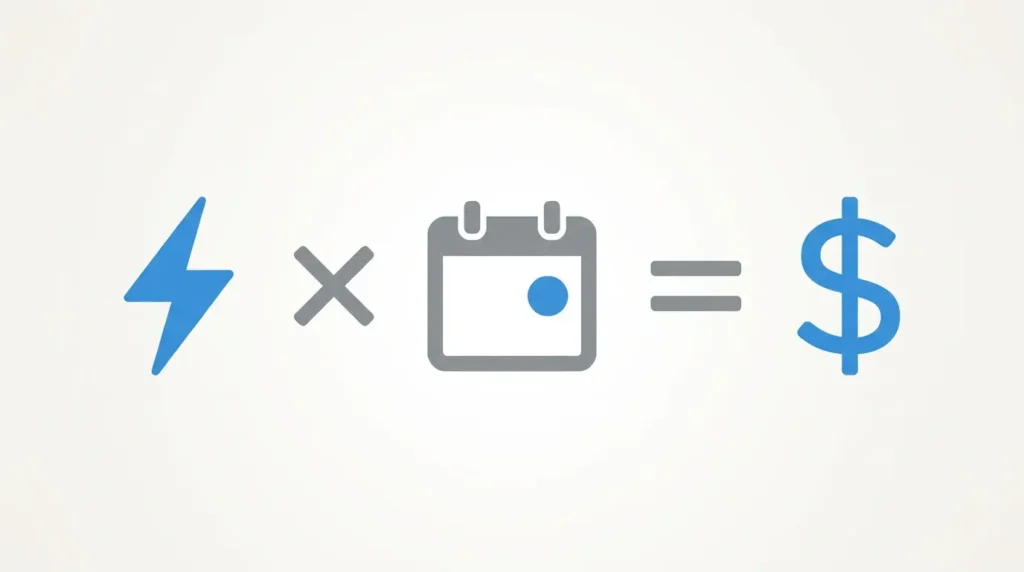
Yearly kilowatt-hours × price per kilowatt-hour = estimated yearly cost. Divide by twelve for a monthly estimate. Treat the result as an estimate, because the listed energy figure comes from standardized testing, and real kitchens differ.
What changes the real-world number?
- How often the doors are opened and for how long
- Use of the ice maker and water dispenser
- Room temperature around the refrigerator, including nearby heat sources
- Age and condition of the unit
- How full the refrigerator and freezer are kept
- Your local electricity rate, which changes the cost without changing the energy used
Who should do the work?
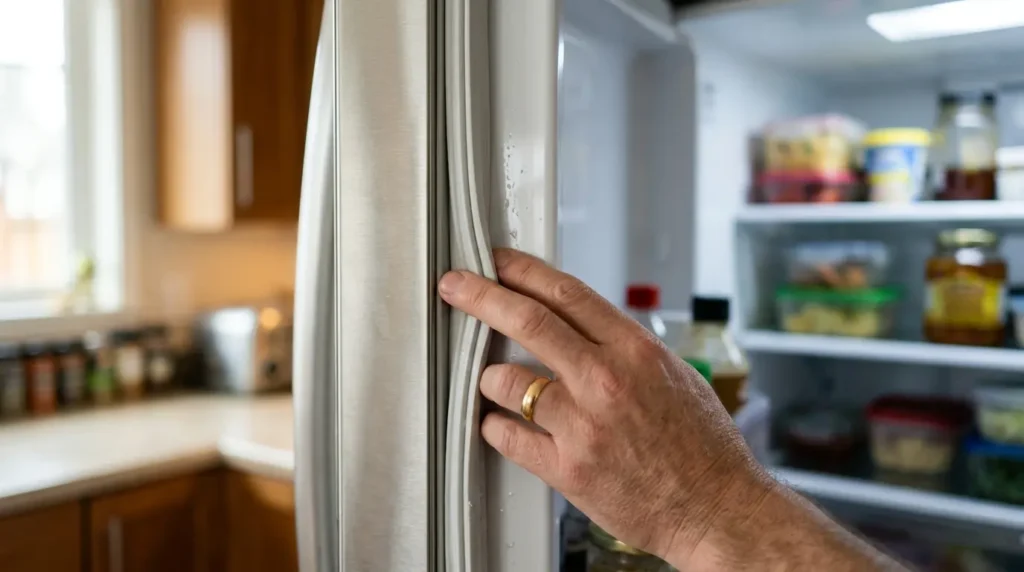
Basic upkeep, such as making sure the doors close fully and keeping the area around the unit clean, is a job for the owner, following the steps in the GE manual. A sudden rise in running cost can instead point to a door seal, condenser coil, or cooling fault; contact GE service if the cause is not obvious. Sealed-system, refrigerant, and electrical work always belong to a qualified technician, not a DIY fix.
FAQs
Where do I find my GE side-by-side’s exact annual kWh figure?
Start with the model number, printed on a label inside the fresh-food compartment. Enter it in the ENERGY STAR Product Finder to see the yearly energy use listed for that exact model. A few GE models are not listed there; the California Energy Commission’s MAEDbS database covers those instead. Use the complete model number rather than a shortened version, since similar GE models can carry different ratings. Write the number down before moving to the next step.
How do I calculate my fridge’s yearly running cost?
Multiply the model’s yearly kilowatt-hours by your price per kilowatt-hour. The kilowatt-hours cancel out and leave a dollar amount per year. Divide by twelve for a monthly view. The result is an estimate, since the listed figure comes from standardized testing, and a kitchen with frequent door openings or a warm room can differ. Recalculate when your rate changes. Next step: use the rate from your latest bill so the math reflects what you actually pay.
How do I find my electricity rate?
The most accurate source is your utility bill, which shows the price per kilowatt-hour, sometimes split into supply and delivery charges. Add the two together if both appear. For a general reference, the EIA’s Electric Power Monthly publishes residential rates by state, updated regularly. Rates vary by location and change over time, so a number remembered from last year may be off. Next step: pull up the latest bill or open the EIA data for your state.
Why do side-by-side fridges often cost more to run than other types?
Design is one common explanation. A side-by-side places a tall, narrow freezer next to the fresh-food section, which exposes a large amount of cabinet surface to room air, and added features can draw extra power. Efficiency still varies by model and production year, so a particular GE side-by-side may use less than a different style. Style alone does not decide the result. Next step: compare the listed figures for the specific models you are considering.
Does the ice maker or water dispenser affect running cost?
It can. An ice maker adds parts that run in cycles, and a through-the-door dispenser adds an opening in the door that needs protection against condensation. Heavy use of ice and water means more activity in those parts. The size of the effect depends on the model and your habits, and the listed energy figure may not reflect either. Next step: note how often the dispenser is used over a week to judge its effect on the bill.
Why might running cost suddenly increase?
First confirm your electricity rate has not changed. If it has not, a worn door seal, dirty condenser coil, or cooling fault can make the refrigerator run longer to hold temperature. A warmer room or doors that no longer close fully have the same effect. These checks are usually enough to spot the cause; anything involving the sealed system, refrigerant, or electrical parts needs a qualified technician rather than a DIY fix.
Bottom line
There is no single, reliable answer to what a GE side-by-side costs to run per year, because the number depends on the specific model and the local electricity rate. The calculation itself is short: look up the model’s yearly kilowatt-hours, multiply by the price per kilowatt-hour on your bill, and the result is a solid estimate of the yearly cost.
Both figures come from official sources and take only a few minutes to check. Habits such as door openings, ice and water use, room temperature, and how full the unit is kept can move the real number up or down. If the bill climbs without a rate change, that is usually a sign to look at the door seals and condenser coil rather than accept the increase as normal. Next step: find your model number and look up its yearly energy use.