
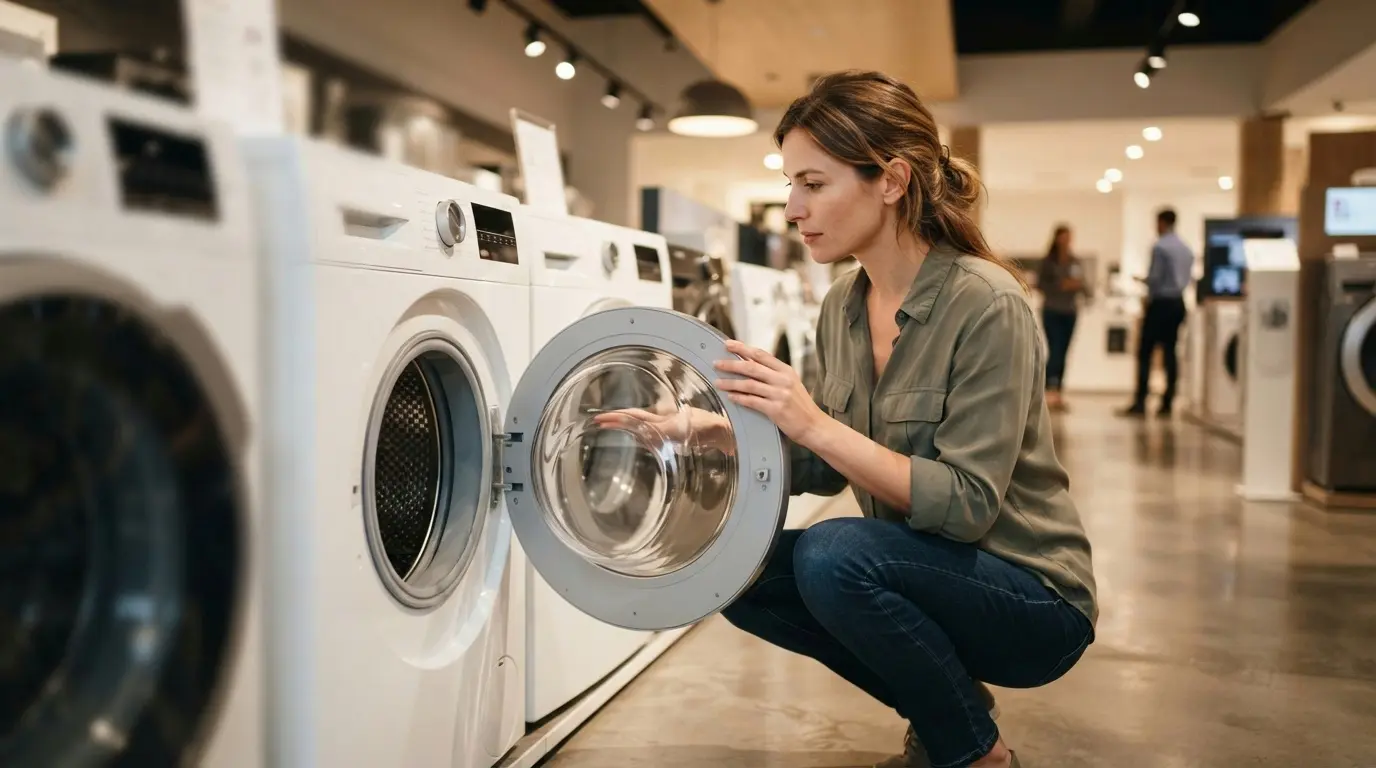
A customer once brought me a “like-new” refurbished LG that lasted four months before the drain pump failed, and another bought one from a different seller entirely that’s still running strong six years later. Same brand, same general category of purchase, wildly different outcomes. That gap is the entire story of buying refurbished, and it has almost nothing to do with LG as a manufacturer and everything to do with the decision criteria most buyers skip past on their way to a lower price tag.
This guide focuses specifically on the decision of whether to buy refurbished at all, not a review of one specific refurbished model, and not a general “how to pick an LG washer” buying guide covering new units.
Table of Contents
1. What “Refurbished” Actually Means
This is where most buyers get burned before they even get to the machine itself: “refurbished” isn’t a regulated, standardized term the way a warranty period is. It can mean a unit that was returned unopened and inspected, a floor model with cosmetic wear, a machine that had one specific part replaced after a documented failure, or, at the lower-quality end of the market, a unit that was pulled from a rental property or short-term use and given a surface clean with no real diagnostic work behind it. All four of these get sold under the same word, often at similar prices, which is exactly why two “refurbished LG washers” can have completely different odds of lasting.
The practical takeaway: don’t evaluate “refurbished” as a category. Evaluate the specific seller’s refurbishment process, because that single factor predicts reliability far better than the model number does.
2. Who Refurbished Actually Makes Sense For
Refurbished machines make the most sense for buyers who fall into a specific overlap: price-sensitive enough that the discount genuinely matters, but not so tight on cash that an unexpected repair bill within the first year would be a real financial problem. That’s a narrower group than the marketing around refurbished appliances suggests. A landlord furnishing a rental unit, someone buying a secondary washer for a vacation property, or a first apartment buyer stretching a tight budget are all reasonable candidates; in each case, a shorter expected lifespan is an acceptable trade-off for the upfront savings.
Refurbished makes far less sense for a primary household appliance in a home with no backup laundry option, where a failure means either an expensive emergency repair or weeks of laundromat trips while a replacement gets sourced. If LG washing machine downtime would genuinely disrupt your household, the risk profile of refurbished starts working against you regardless of how good the price looks.
3. Where You Buy It From Matters More Than the Machine Itself
I’d rather see a customer buy a refurbished LG from a manufacturer-authorized outlet or a reputable appliance reseller with a documented inspection process than buy the same model, cosmetically identical, from an unverified third-party marketplace listing with no seller history. The machine itself might be indistinguishable in photos; the difference is entirely in what happened to it before it reached you and whether there’s any real accountability if something goes wrong in the first weeks.
Manufacturer-certified refurbished programs, where LG or an authorized partner has actually tested and repaired the unit to a documented standard, sit at the safer end of this spectrum. Peer-to-peer marketplace listings, estate sales, and unverified liquidation sellers sit at the riskier end, not because the machines are automatically bad, but because you have no way to verify what “refurbished” meant in that specific case, and no recourse if it turns out to have meant very little.
4. Warranty Coverage: The Single Biggest Factor
If there’s one factor that should override almost everything else on this list, it’s whether the unit comes with any warranty coverage at all and how long it lasts. A refurbished machine with even a 90-day warranty from a seller who’ll actually honor it is a fundamentally different purchase than the same machine sold “as-is” with no coverage, because the as-is version puts 100% of the failure risk on you starting the moment it’s delivered.
| Warranty Scenario | Risk Level | Who It Suits |
| Manufacturer-backed refurbished warranty (typically 90 days–1 year) | Lower risk | Most refurbished buyers |
| Seller-provided limited warranty (30–90 days) | Moderate risk | Budget-conscious buyers with some risk tolerance |
| No warranty, sold “as-is” | Highest risk | Only buyers who can absorb a total loss |
Ask specifically what the warranty covers: parts only, parts and labor, or a full replacement, because “warrantied” gets used loosely in listings, and the difference between parts-only and parts-and-labor coverage can mean a repair that’s technically “covered” still costing you most of what a service call would have cost anyway.
5. What to Inspect and Ask Before You Buy
If you’re buying in person or can get detailed photos and documentation, there’s a specific set of questions worth asking that most buyers never think to raise, and that a knowledgeable seller should be able to answer without hesitation: What specific issue caused this unit to be returned or refurbished in the first place? Was the drain pump, motor, or control board tested under an actual wash cycle, or just visually inspected? How long has the unit sat in inventory since refurbishment, since seals and gaskets can degrade even in storage?
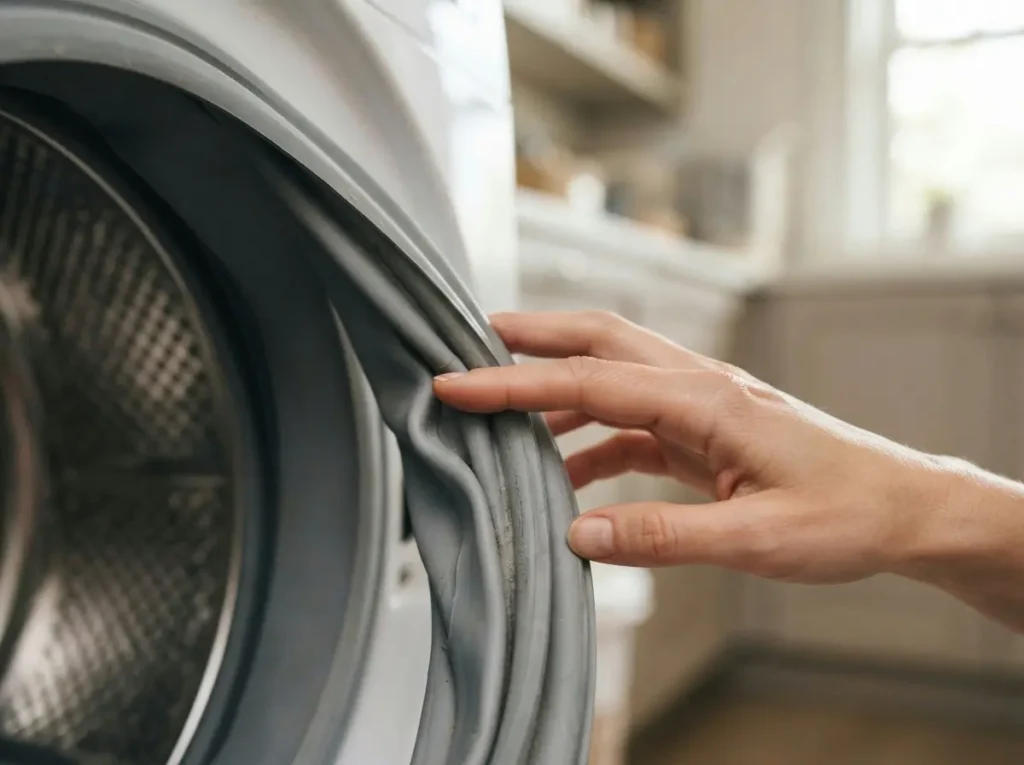
Physically, check the door gasket for cracking or mold staining, run a hand along the drum for rust or residue, and ask to see the machine complete an actual cycle if at all possible rather than just powering on. A unit that starts but hasn’t been cycle-tested can still have transmission or bearing issues that only show up once it’s under load. If you’re buying online without inspection access, weigh that added uncertainty against the discount; a slightly higher price from a seller who cycle-tests every unit is often the better value once you account for the risk you’re not able to inspect away.
👉 [washing machine door gasket mold]
6. Refurbished vs. New: Cost and Value Breakdown
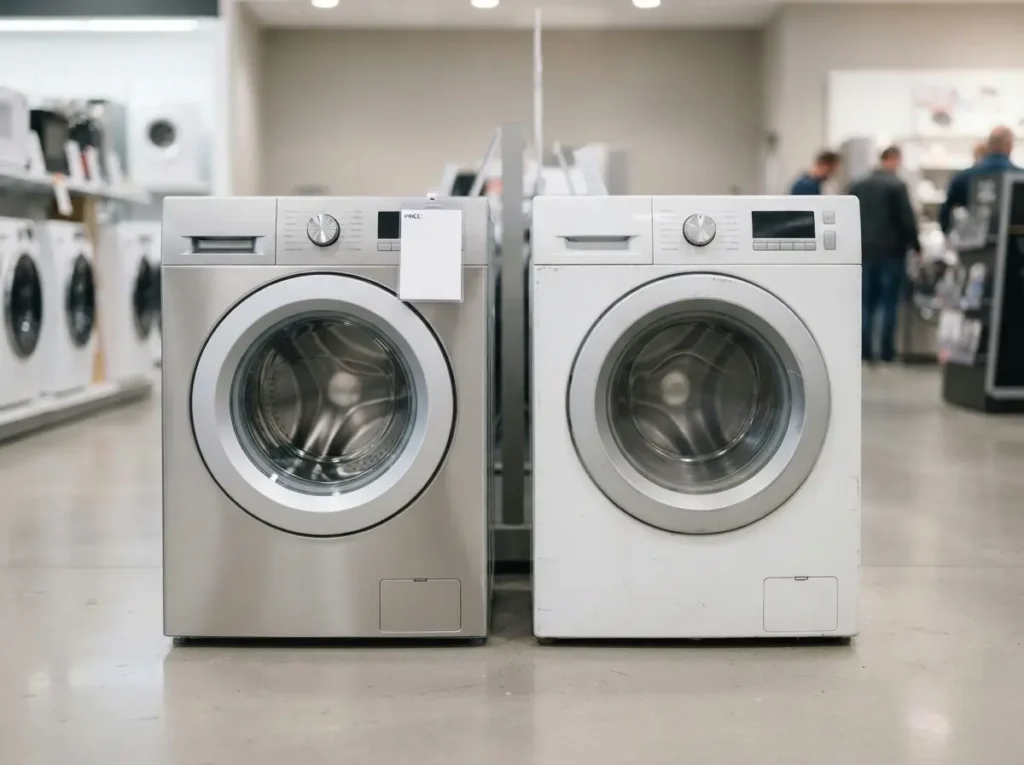
Refurbished LG washers typically sell at a meaningful discount off comparable new units, though exact positioning varies enormously by seller, condition grade, and model age, so treat any specific percentage you see online skeptically and confirm actual pricing directly with the retailer. What matters more than the exact discount is what you’re trading for it.
| Factor | New LG Washer | Refurbished LG Washer |
| Upfront cost | Full retail price | Meaningful discount, seller-dependent |
| Manufacturer warranty | Standard full-length coverage | Often reduced or seller-specific |
| Failure risk in year one | Lower, statistically | Higher, condition-dependent |
| Cosmetic condition | Guaranteed new | Varies, often has some wear |
| Model/feature currency | Latest available features | May be a discontinued or older model |
The value case for refurbished gets stronger the closer the discount is to 30-40% off a comparable new unit with a real warranty attached and weaker as the discount shrinks or the warranty disappears; at that point, financing or saving slightly longer for a new unit with full manufacturer backing often works out better over the machine’s full lifespan.
7. Common Failure Points in Refurbished LG Washing Machines
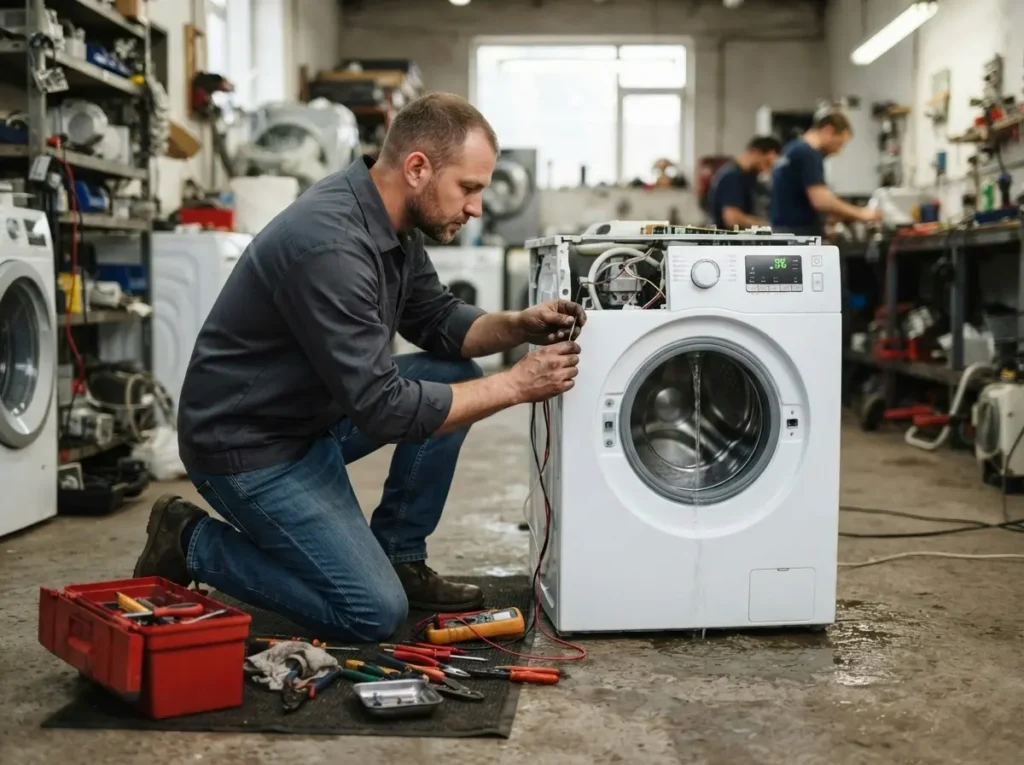
Across service calls on refurbished units specifically, a handful of components come up disproportionately often compared to new-machine service patterns: drain pumps that were marginal at the time of refurbishment and fail within the first several months of renewed use, door boot seals that were already showing early wear and weren’t replaced during refurbishment, and control boards that were reset or lightly repaired rather than fully replaced after an electrical fault.
None of these are universal; a well-refurbished unit from a reputable seller often replaces exactly these parts proactively, but they’re worth asking about directly rather than assuming a “fully refurbished” listing addressed them.
This is a piece of insider knowledge that rarely makes it into generic refurbished-appliance content: a machine that failed due to a drain pump issue and had only the pump replaced is a very different risk profile than one that failed for an unrelated reason and had a full internal inspection. Ask which it was if the seller knows or will share that history.
8. Total Cost of Ownership Beyond the Sticker Price
The discount on a refurbished unit only holds up as real savings if you don’t end up paying for a major repair within the first year or two that a new unit’s warranty would have covered for free. Factor in a realistic buffer for this when comparing prices; setting aside even a modest amount for a potential early repair effectively narrows the gap between refurbished and new and makes the true comparison more honest than sticker price alone suggests.
Parts availability is generally not a major concern for refurbished LG units specifically, since most refurbished machines are recent enough that standard replacement parts remain in production, but very old or discontinued models can start to run into the same parts-scarcity issues that affect any aging appliance regardless of refurbishment status. If a refurbished listing is for a model that’s been discontinued for several years, factor that into your risk assessment separately from the refurbishment quality itself.
9. When Refurbished Is Not Worth It
There are a few situations where I’d steer a customer away from refurbished regardless of price. If the listing has no warranty and no return window, if the seller can’t or won’t answer basic questions about what was actually repaired, or if the discount off a new unit is under roughly 15-20%, the risk-adjusted value usually isn’t there; you’re taking on meaningful failure risk for a discount that doesn’t really compensate for it. In those cases, a new entry-level or mid-tier LG washer with full manufacturer warranty coverage is very likely the better long-term value, even though the upfront number is higher.
Final Verdict
Refurbished can absolutely be worth it, but the decision has almost nothing to do with whether it’s an LG specifically and everything to do with three things: who refurbished it and how thoroughly, whether there’s real warranty coverage behind the purchase, and whether the discount is large enough to genuinely offset the added risk you’re taking on.
Buy from a seller who can answer specific questions about what was tested and replaced, insist on at least some warranty coverage if you can get it, and walk away from any “as-is” listing unless the price reflects the very real possibility that something fails within the first year. Do that, and refurbished becomes a smart, calculated trade-off rather than a gamble dressed up as a bargain.
FAQ
1. Is a refurbished LG washing machine as reliable as a new one?
Not statistically; on average, refurbished units carry a higher first-year failure risk than new machines with full manufacturer warranties. That said, a well-refurbished unit from a reputable seller with real testing behind it can perform reliably for years.
2. How much cheaper is a refurbished LG washing machine compared to new?
It varies significantly by seller and condition, but a meaningful discount in the 30-40% range off a comparable new unit, paired with real warranty coverage, generally represents solid value. Smaller discounts with no warranty are a much weaker deal.
3. Does LG offer its own certified refurbished program?
Availability varies by region and changes over time, so check directly with LG or an authorized retailer for current programs in your area rather than assuming a specific option is available everywhere.
4. What warranty should I expect on a refurbished LG washing machine?
Anywhere from no warranty at all up to around a year, depending entirely on the seller. Always confirm in writing whether it covers parts only or parts and labor, since that distinction significantly affects your actual protection.
5. What’s the biggest red flag when shopping for a refurbished LG washing machine?
A seller who can’t explain what was actually inspected, repaired, or tested, combined with no warranty or return window. That combination means you have no real information about the unit’s condition and no recourse if it fails quickly.
6. Are refurbished LG washing machines cycle-tested before sale?
This varies enormously by seller; reputable refurbishers typically run a full test cycle before listing a unit, while lower-quality sellers may only power the unit on briefly. Ask directly, since it’s rarely stated clearly in listings.
7. Should I buy a refurbished LG washing machine for my primary home laundry?
It depends on how disruptive downtime would be for your household. If a failure would mean weeks without laundry access or a costly emergency repair you can’t easily absorb, a new unit with full warranty coverage is generally the safer choice for a primary appliance.