
Every refrigerator salesperson has a version of the same pitch: “Get the inverter model; it’ll save you money on your electric bill.” What almost nobody explains is how much money, under what conditions, or why the marketing number on the box and the number you’ll actually see on your utility bill are frequently two very different things. This piece exists to close that gap using the actual physics of how these two compressor types behave, not just the marketing shorthand.
By the end of this, you’ll understand not just that inverter compressors tend to use less electricity, but specifically why, how much that translates to in real dollars, and where the commonly repeated “30 to 50 percent savings” figure genuinely holds up versus where it’s quietly measuring something other than the compressor technology itself.
Table of Contents
What “Inverter” Actually Means Inside a Refrigerator Compressor
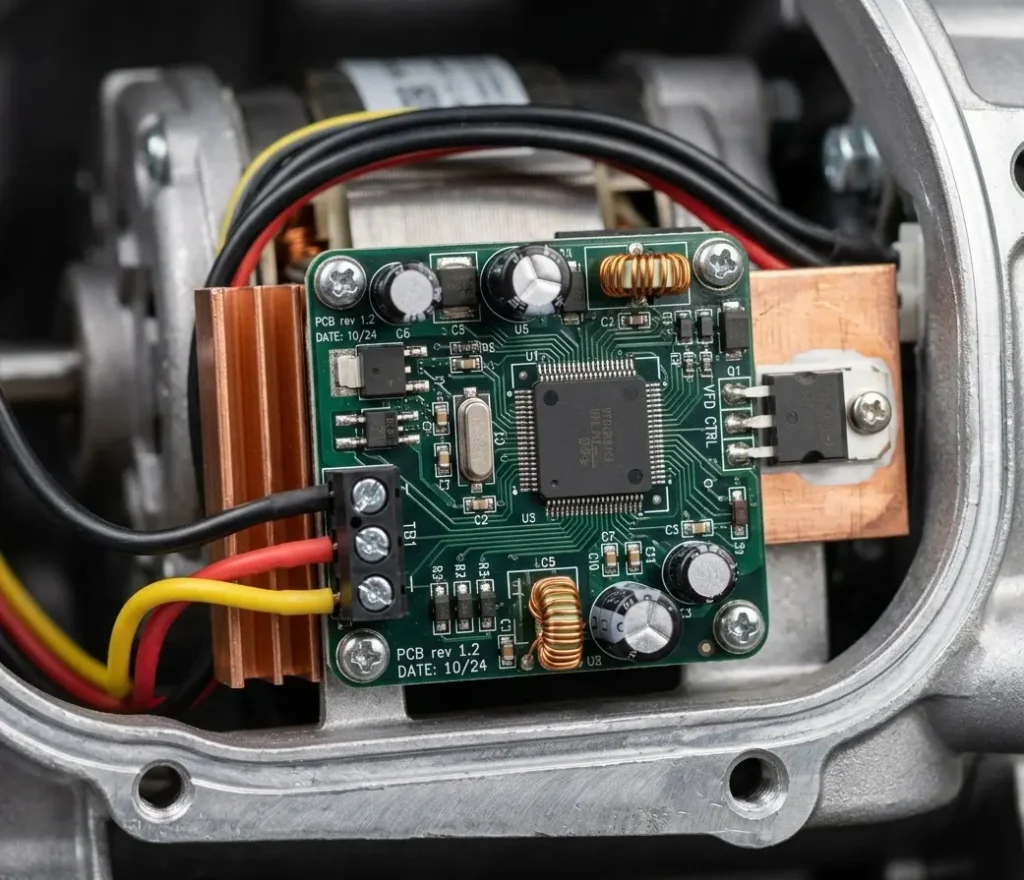
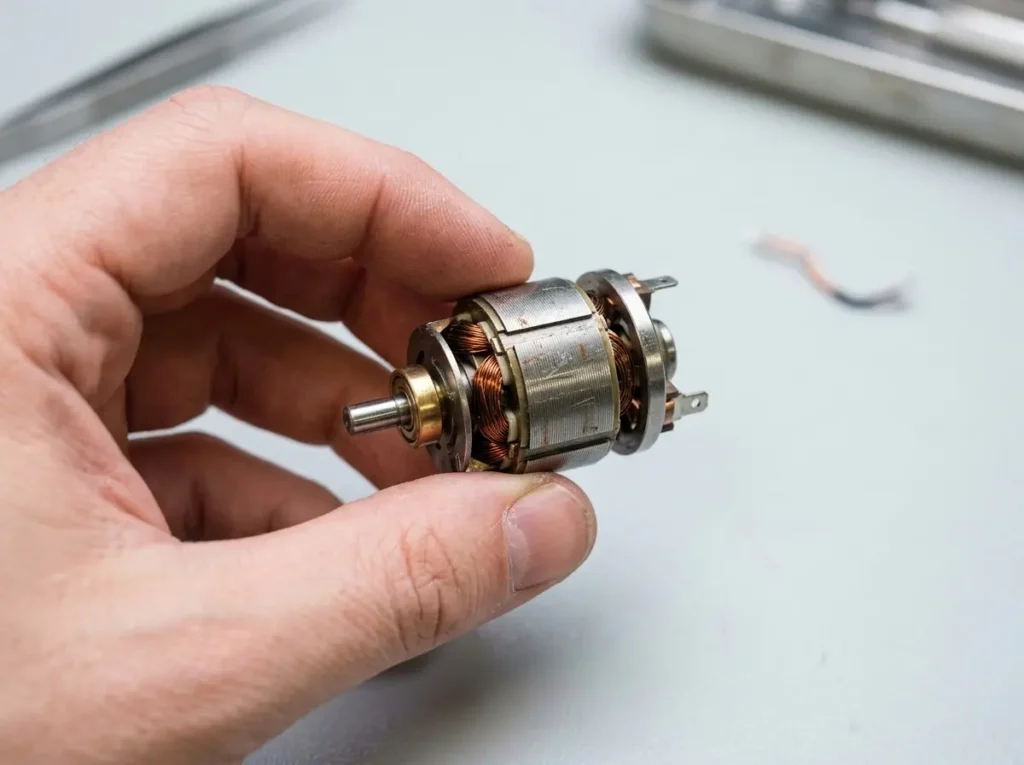
An inverter compressor uses a variable-frequency drive to continuously adjust the compressor motor’s speed based on real-time cooling demand, rather than simply switching the compressor fully on or fully off. Instead of a binary “running at full power” or “off” state, the compressor can operate anywhere across a range, often idling at a low, steady speed for long stretches and only ramping up briefly when the cabinet genuinely needs a burst of cooling, such as right after the door’s been open for a while or a large grocery haul just went in.
This is a fundamentally different control philosophy from how refrigerator compressors operated for most of the technology’s history, and it’s worth understanding the older approach clearly before the energy difference actually makes sense.
👉 LG Smart Inverter Refrigerator: 10-Year Warranty Explained
How a Fixed-Speed Compressor Actually Behaves Day to Day
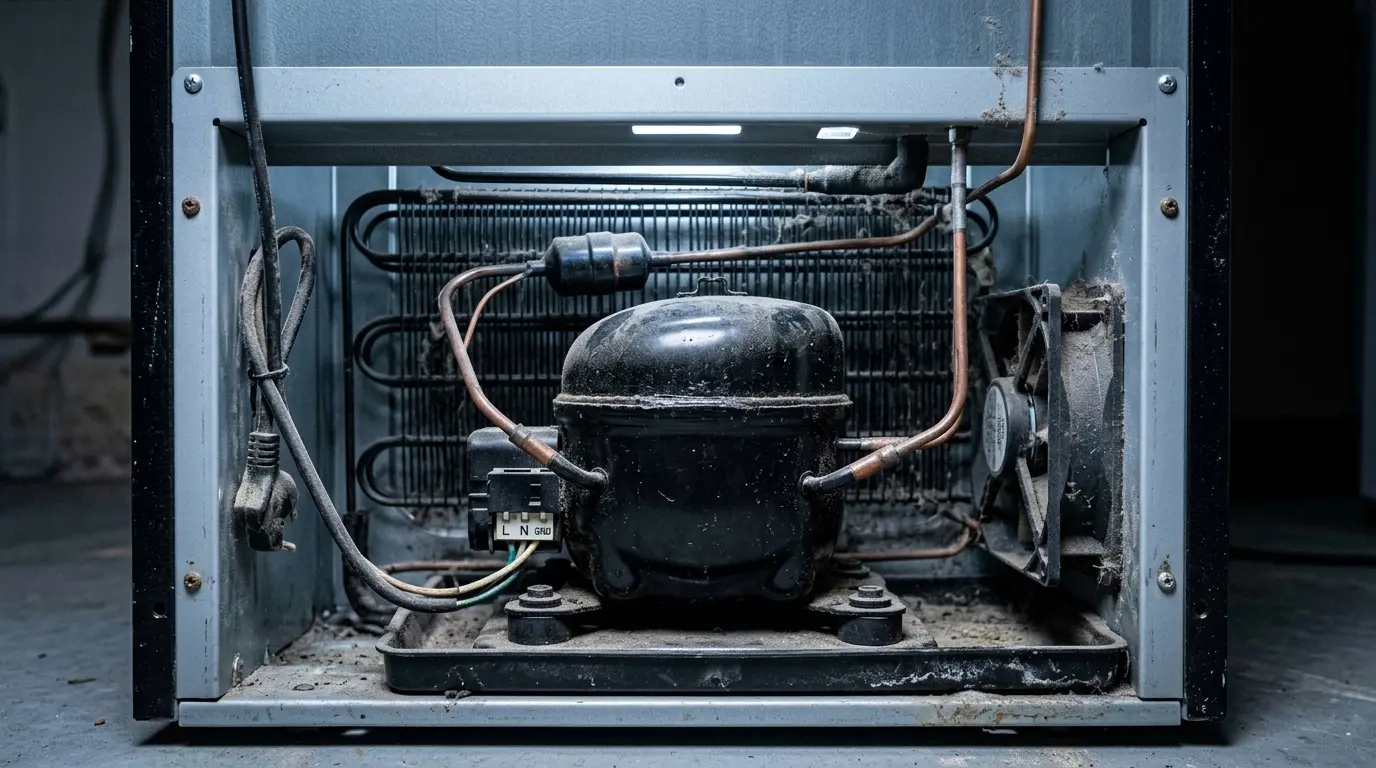
A fixed-speed (sometimes called conventional or reciprocating) compressor runs at one single speed whenever it’s on, controlled by a simple thermostat-driven on/off cycle. When the interior temperature drifts above the set point, the compressor kicks on at full power, cools the cabinet down past the target temperature slightly, then shuts off completely until the temperature drifts back up and the cycle repeats.
That on/off pattern has two built-in inefficiencies that inverter technology specifically targets. Every time a fixed-speed compressor starts, it draws a brief but significant inrush current, meaningfully higher than its steady running current, simply to get the motor spinning from a dead stop, and that startup surge happens repeatedly throughout the day regardless of how modest the actual cooling need is at that moment. On top of that, running at full power even when only a small amount of cooling is actually needed means the compressor frequently overshoots the target temperature before shutting off, wasting some of that full-power output on cooling the cabinet more than necessary.
The Physics Behind Why Variable Speed Saves Energy
The core efficiency principle here is genuinely simple once you see it stated plainly: running continuously at a low, matched speed uses less total energy than repeatedly cycling on at full power and off again, even though the inverter compressor is technically “running” far more of the time. A compressor idling at a fraction of its full speed draws meaningfully less wattage than one running at full power, and it avoids paying that inrush-current penalty over and over throughout the day.
This is the same underlying principle that makes variable-speed technology valuable in air conditioners and heat pumps, not just refrigerators. Matching output to actual demand, rather than delivering 100 percent capacity every time the system activates, is consistently more efficient across compressor-driven appliances generally. The refrigerator-specific benefit is that a fridge’s cooling demand genuinely does fluctuate significantly throughout the day (door openings, ambient kitchen temperature, how much food is currently stored), which gives an inverter compressor plenty of opportunity to actually exploit that variable-speed advantage rather than running at one extreme or the other.
Real Energy Consumption Numbers: What the Data Actually Shows
| Compressor Type | Typical Operating Pattern | Relative Startup Power Draw | General Efficiency Positioning |
| Fixed-speed compressor (conventional) | Full power on, complete shutoff, repeated cycling throughout the day | Higher, full inrush current on every single startup | Baseline; less efficient at partial cooling loads |
| Inverter compressor (variable-speed) | Near-continuous operation at a speed matched to current demand, rarely fully off | Lower, soft-start ramping avoids repeated full inrush spikes. | Generally more efficient, particularly under moderate, steady cooling loads |
Industry sources and manufacturer-cited independent testing commonly place the efficiency advantage of inverter compressors somewhere in the broad range of 30 to 50 percent lower energy consumption compared to a similarly sized fixed-speed compressor model, and manufacturers including LG have pointed to independent lab testing (through firms like Intertek) showing efficiency gains in the several-tens-of-percent range for their smart inverter motors specifically, under defined test conditions. That range is real and physics-grounded; it isn’t a marketing fiction, but the width of that range (30 to 50 percent is a big spread) already tells you the number depends heavily on the specific models being compared and the conditions they’re tested under, which is exactly the nuance the next section digs into.
Why Headline Savings Percentages Are Often Misleading
This is the single most important thing to understand before trusting any specific savings percentage you see quoted, whether in a showroom or an online comparison. A genuinely common way these headline numbers get generated is by comparing an old, worn fixed-speed compressor refrigerator, often a decade or more old, with degraded door gaskets, reduced refrigerant charge, and general mechanical wear, against a brand-new inverter model. That comparison absolutely produces a dramatic-looking percentage difference, but a meaningful share of that gap comes from the age and condition of the old unit, not purely from the compressor technology itself.
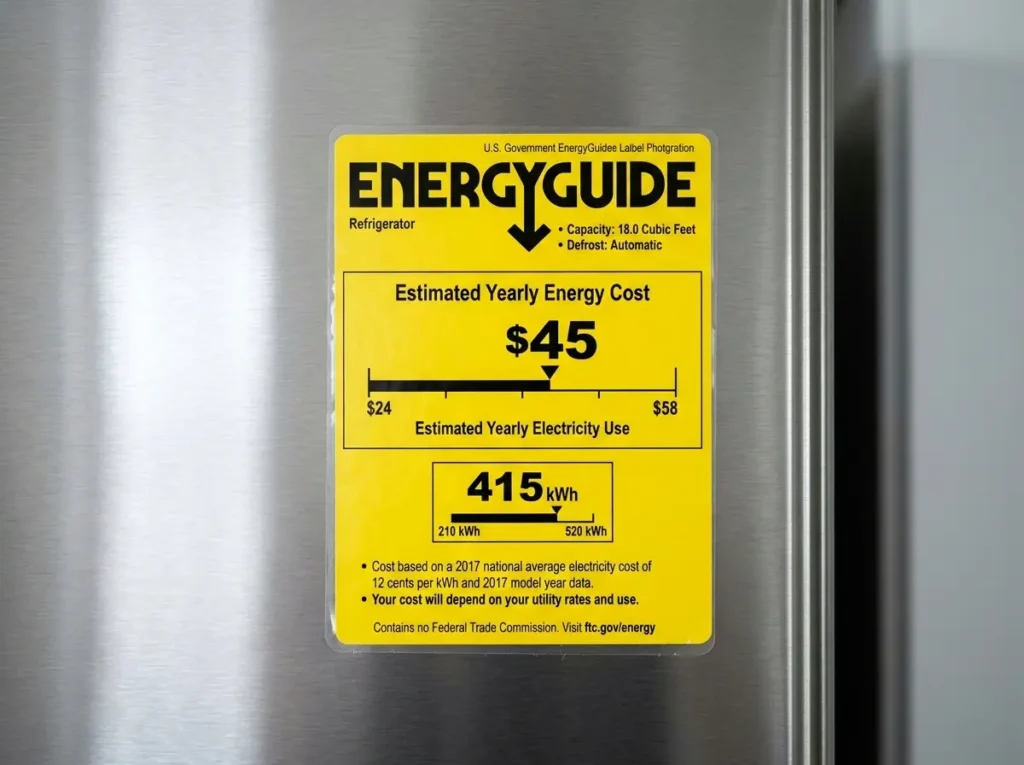
An insider point that a spec-sheet comparison won’t tell you: a refrigerator’s official annual kWh rating, printed on its EnergyGuide label, already reflects the compressor technology under standardized test conditions, which means “inverter” as a checkbox feature doesn’t automatically guarantee a lower number than a well-engineered fixed-speed compressor model with superior insulation and a tighter door seal. Two refrigerators can both be labeled “inverter” and still show meaningfully different annual kWh ratings, because insulation quality, door seal integrity, and overall cabinet design all factor into the final number alongside the compressor itself.
The honest way to compare two specific models is always to check their actual EnergyGuide kWh/year figures side by side rather than assuming the inverter label alone settles the question.
Noise, Wear, and Lifespan: The Side Effects of Each Compressor Type
Inverter compressors are also generally quieter in daily use than fixed-speed units, and this isn’t a coincidental marketing bonus; it’s a direct consequence of the same soft-start, variable-speed operation that saves energy. A compressor that never has to slam from a dead stop to full power repeatedly produces less mechanical shock, torque stress, and vibration than one that does, which also translates into reduced mechanical wear on components like bearings and mounts over the appliance’s lifespan.
Fixed-speed compressors, by contrast, take on more repeated mechanical stress from that constant full-power start/stop cycling, which is part of why they’ve historically been associated with a somewhat shorter typical service life compared to well-built inverter units, though both compressor types can last well over a decade with reasonable care and normal household use.
The tradeoff worth being upfront about: inverter compressors are electronically more complex, relying on a variable-frequency drive control board rather than a simple relay and start capacitor. That added electronic complexity is a genuine hidden cost consideration that most energy-savings comparisons skip entirely. When an inverter compressor’s control board does fail, the replacement part and diagnostic labor tend to cost meaningfully more than the simpler relay/capacitor repair a fixed-speed compressor typically needs, even though the compressor itself failing outright isn’t necessarily more common on either type.
How Different Brands Implement Inverter Technology
Inverter compressor technology isn’t implemented identically across manufacturers, even though the underlying variable-speed principle is the same. LG markets its implementation prominently as a smart inverter linear compressor, emphasizing a piston design with fewer moving parts than a traditional rotary compressor, which the company positions as a durability and noise advantage on top of the energy efficiency benefit. Samsung’s digital inverter compressor branding follows a similar variable-speed approach with its own control algorithm tuned to the company’s specific refrigerator lineup.
Whirlpool, GE, and Bosch have each rolled variable-speed compressor technology into portions of their mid-to-premium refrigerator tiers as well, generally reserving it for higher-tier models rather than entry-level units, which is part of why inverter technology tends to correlate with a higher upfront purchase price across the market broadly rather than being a universal standard feature yet. If you’re specifically weighing an LG or Samsung model against each other rather than the underlying compressor technology itself, that’s a different, brand-specific comparison covered elsewhere 👉 [LG vs Samsung refrigerator].
Calculating Your Own Real-World Payback Period
The honest way to evaluate whether paying more upfront for an inverter model makes financial sense is a straightforward payback calculation using your own actual electricity rate rather than a generic percentage.
| Scenario | Annual kWh Difference (Illustrative) | Electricity Rate | Approximate Annual Savings | Approximate Years to Recoup a $200 Price Premium |
| Modest difference | 50 kWh/year | $0.13/kWh | ~$6.50/year | Over 30 years |
| Moderate difference | 150 kWh/year | $0.13/kWh | ~$19.50/year | Roughly 10 years |
| Larger difference | 150 kWh/year | $0.25/kWh (higher-cost region) | ~$37.50/year | Roughly 5–6 years |
| Larger difference, higher rate | 250 kWh/year | $0.25/kWh | ~$62.50/year | Roughly 3 years |
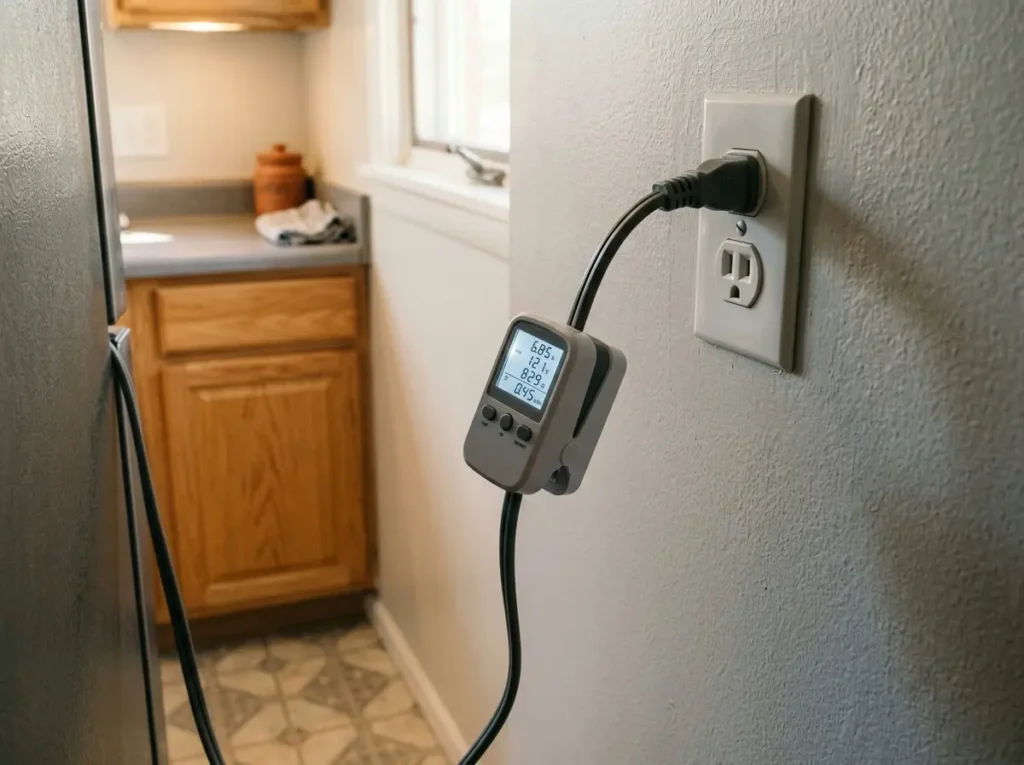
The takeaway from this table matters more than any single row in it: your local electricity rate and the actual kWh/year gap between the two specific models you’re comparing, not a generic industry percentage, are what determine whether the inverter premium pays for itself in three years or thirty. A knowledgeable salesperson’s most useful question before recommending either option isn’t about features at all, it’s simply “how many years do you realistically expect to keep this refrigerator, and what’s your electricity rate,” since both variables directly decide whether the inverter premium is worth paying.
When a Fixed-Speed Compressor Is Still the Practical Choice
Despite everything above, a fixed-speed compressor remains a perfectly reasonable choice in several genuinely common situations. A secondary refrigerator or garage/basement unit used lightly and infrequently generates far less cumulative energy cost difference between the two technologies simply because it isn’t running enough hours per year for the efficiency gap to meaningfully add up.
Budget-conscious buyers in regions with genuinely low electricity rates may also find the math doesn’t favor the inverter premium within any reasonable ownership timeframe, based on the payback table above. And for anyone specifically prioritizing simpler, cheaper repairs over the electronics-heavy inverter control board, a fixed-speed compressor’s simpler relay-and-capacitor design remains a legitimate long-term-cost consideration, not just an outdated technology to avoid on principle.
FAQ
1. Is an inverter compressor always more energy efficient than a fixed-speed one?
Generally yes for comparable models under normal use, but the actual EnergyGuide kWh/year rating for the two specific models you’re comparing is the only reliable way to confirm the real difference, since insulation and design also affect the final number.
2. Why do inverter refrigerators seem to run more often than fixed-speed compressor models?
Inverter compressors are designed to run near-continuously at a low, matched speed rather than cycling fully on and off, which is normal, expected behavior and part of why they use less total energy despite running more of the time.
3. Do inverter compressors actually last longer than fixed-speed compressors?
Reduced mechanical stress from soft-start, variable-speed operation is generally associated with a longer typical service life, though both types can last well over a decade with normal use and reasonable care.
4. Is it true that inverter compressors are more expensive to repair?
The compressor itself failing isn’t necessarily more common, but the variable-frequency drive control board that manages an inverter compressor is more electronically complex than a fixed-speed compressor unit’s relay and start capacitor, and that added complexity typically means a higher repair cost when the control electronics do fail.
5. How much can I realistically expect to save per year switching to an inverter model?
It depends heavily on your electricity rate and the actual kWh/year difference between your specific models, anywhere from a few dollars to several tens of dollars annually is a realistic range, which is why calculating your own payback period matters more than trusting a generic percentage.
6. Are all “inverter” refrigerators using the same underlying technology?
The core variable-speed principle is shared, but manufacturers implement it differently, LG’s linear compressor design and Samsung’s digital inverter compressor, for example, use different mechanical approaches to achieve the same variable-speed outcome.
7. Does a noisy refrigerator always mean it has a fixed-speed compressor?
Not necessarily, while fixed-speed compressor units are generally louder due to full-power start/stop cycling, other factors like installation leveling, ambient kitchen acoustics, and normal compressor operating sounds can affect perceived noise on either compressor type.
Final Thoughts
The inverter-versus-fixed-speed energy question is one of the rare cases in appliance shopping where the marketing claim and the underlying physics actually agree, variable-speed compressors genuinely do use less energy under normal household conditions, for real, well-understood reasons.
Where the marketing oversells things is in treating every inverter-vs-fixed-speed compressor comparison as an automatic 30 to 50 percent slam dunk, when the real number for your specific situation depends on your electricity rate, how long you’ll keep the fridge, and the actual EnergyGuide numbers on the two models in front of you rather than a generic industry figure. Run your own numbers before assuming the premium pays for itself, and you’ll make a genuinely informed decision instead of just a persuaded one.