
Protecting your investment through smart stewardship and simple science.
In a world where appliances are often designed to fail within 5-6 years, a well-maintained Maytag can genuinely outlast that expectation, but it doesn’t happen by accident. After years around appliance repair calls, one pattern stands out: most Maytag repairs trace back to a handful of neglected, preventable habits, not bad luck or bad engineering.
Table of Contents
1. The Silent Energy Thief: The Limescale Problem
To keep a Maytag running for two decades, you first have to fight limescale. If you have hard water in your area, minerals like calcium slowly build up inside your machine’s pipes and heating element.
Why It Matters
Even a thin layer of limescale acts like a blanket over your machine’s heater, forcing it to work noticeably harder just to get the water hot, and the thicker that layer gets, the worse your energy efficiency and heating time become. More scale means more heat stress, and more heat stress means a shorter motor lifespan.
If you’re in a genuinely hard-water area and vinegar isn’t cutting through the buildup anymore, a stronger descaling approach may be worth it.
👉 [Beyond Vinegar: The Citric Acid Descaling Guide for Heavy Calcium Buildup]
2. Step 1: The Washer Vinegar Flush
Forget harsh chemicals. For regular upkeep, white vinegar (acetic acid) is your best friend, a natural descaler that turns hard mineral buildup into liquid that simply washes away.
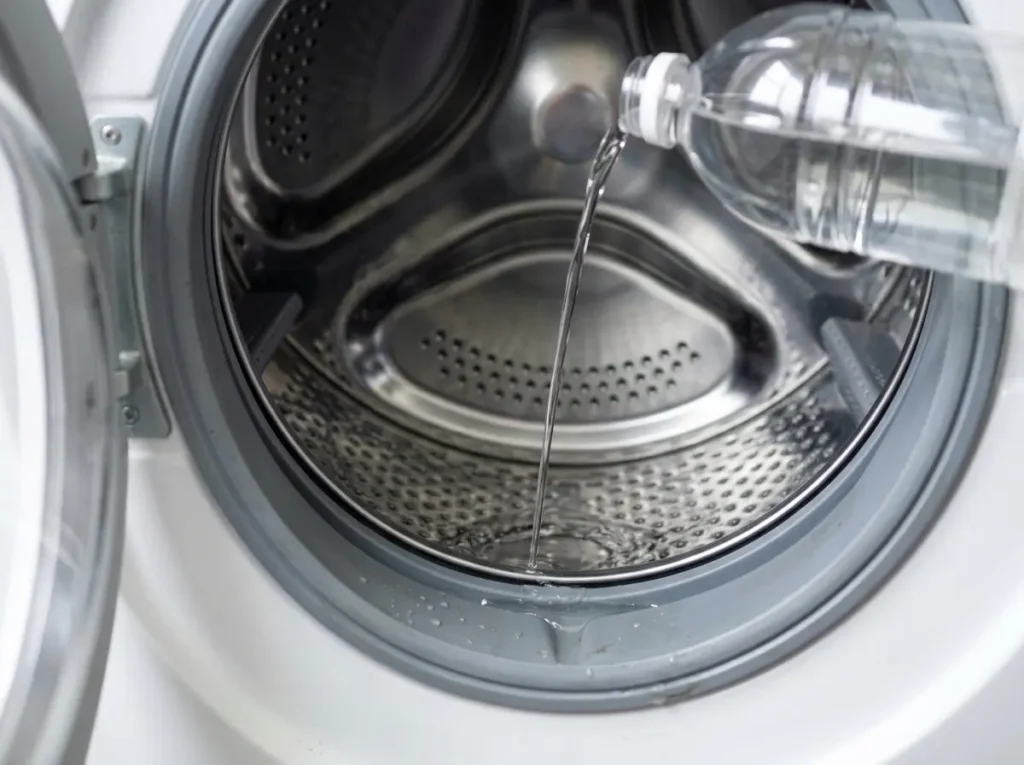
- The Internal Purge: pour 2 cups of vinegar directly into the empty drum and run a hot cycle. This cleans the stainless steel basket and the hidden sensors that read water levels.
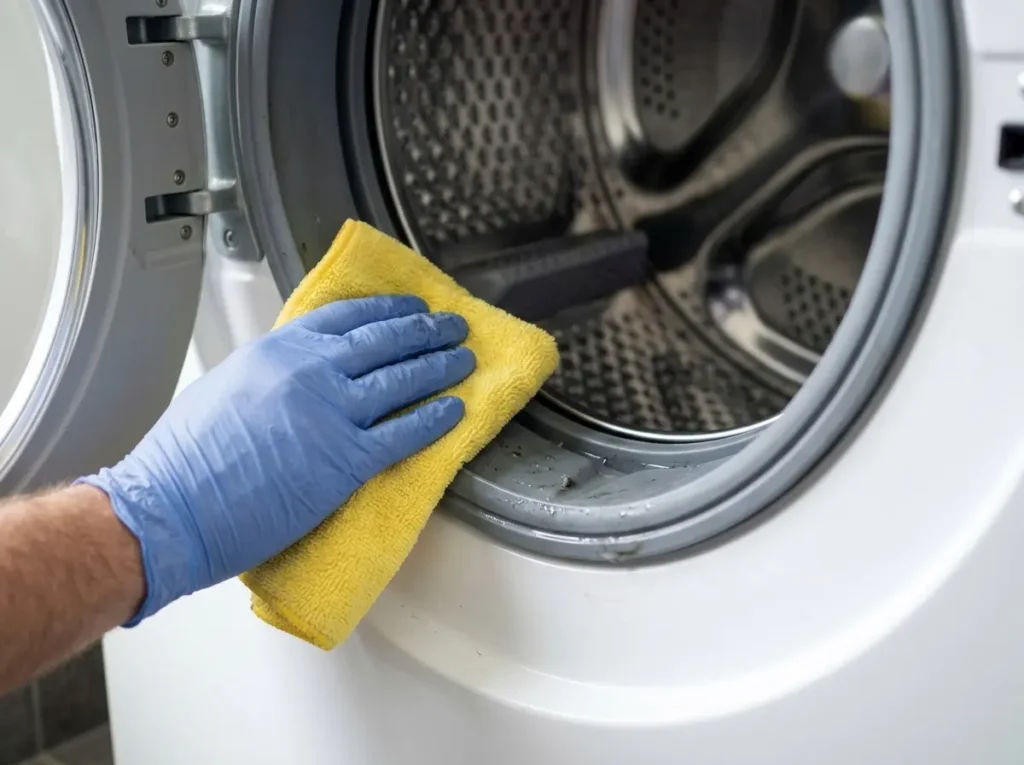
- The Gasket Audit: while the machine runs, check the rubber door seal. This is where foreign object debris, coins, clips, hairpins, and hides. Left in the fold, these can tear the rubber or jam the drain pump.
- The Evaporation Secret: always leave the door open after a wash. Moisture trapped inside is the number one cause of biofilm (that smelly, slimy bacteria). Fresh air is the best disinfectant you have.
3. Step 2: The Refrigerator Coil Audit
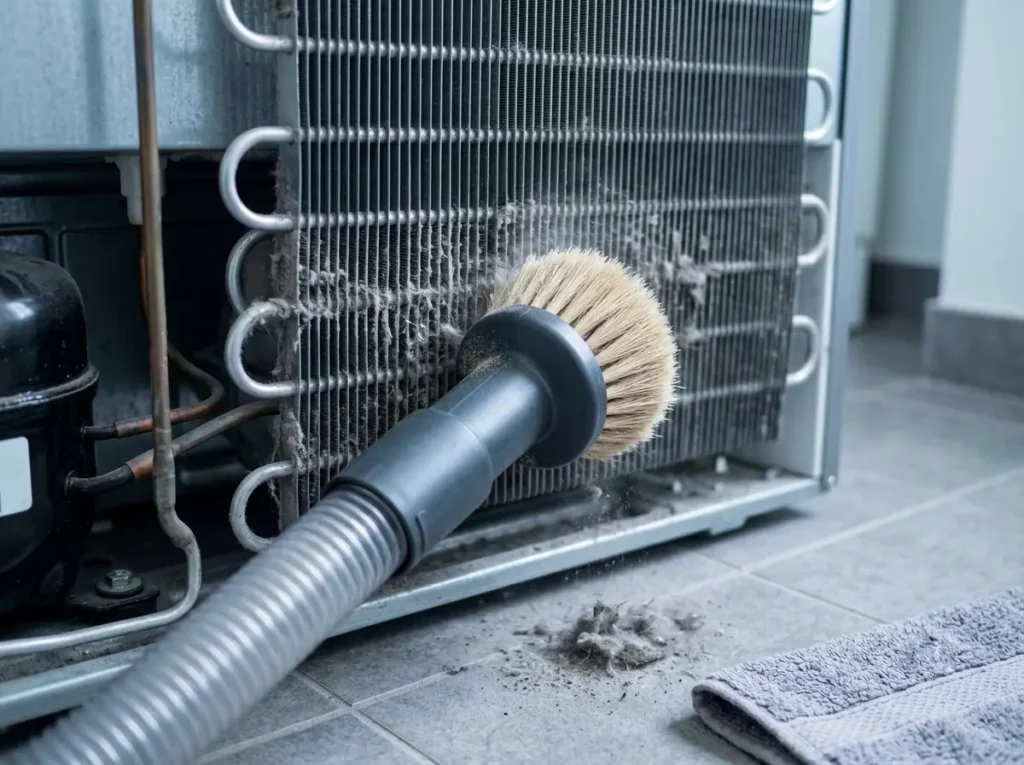
Your refrigerator is the only machine in your house that never sleeps, which makes it especially sensitive to dust. A dirty condenser coil is one of the most common preventable causes of Maytag fridge strain.
Think of these coils like a car radiator; they release the heat pulled out of your food. When they’re covered in dust or pet hair, that heat has nowhere to go, and the compressor has to work harder to keep things cool.
🐾 The Pet Owner Rule
If you have cats or dogs, their hair acts like a magnet for these coils. Standard households can usually get away with cleaning coils every 6 months, but pet owners should do it every 3 months. A blocked coil airway is a genuinely common cause of refrigerator service calls, so this is one of the higher-value five-minute habits on this list. Use a vacuum with a soft brush to gently clear the path.
If your fridge already seems to be running constantly rather than cycling on and off normally, that’s often a sign the coils (or airflow around them) need attention now, not in 3 months.
👉 [Maytag Fridge Clicking? The $25 Easy Fix]
4. The Maytag Maintenance Checklist
Use this table to track your routine. Consistency is what separates a 5-year machine from a 20-year one. Note that these tasks run on different schedules, not all on the same weekly cadence.
| Task | Frequency | Tool Needed | Benefit |
| Vinegar Flush | Monthly | White vinegar | Removes scale / saves energy |
| Gasket Check | After every load | Microfiber cloth | Stops mold and pump clogs |
| Coil Dusting | Every 3-6 months (pet owners: every 3) | Vacuum / coil brush | Protects compressor motor |
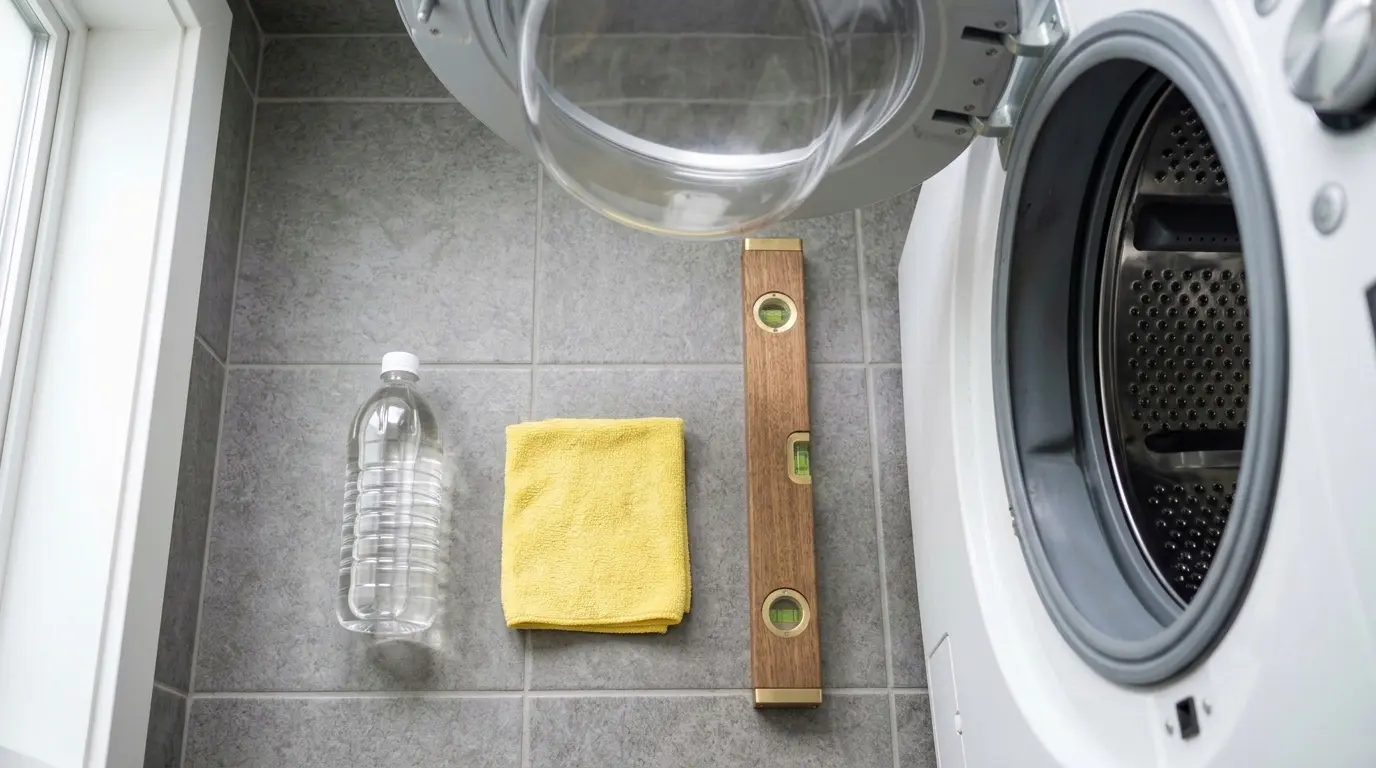
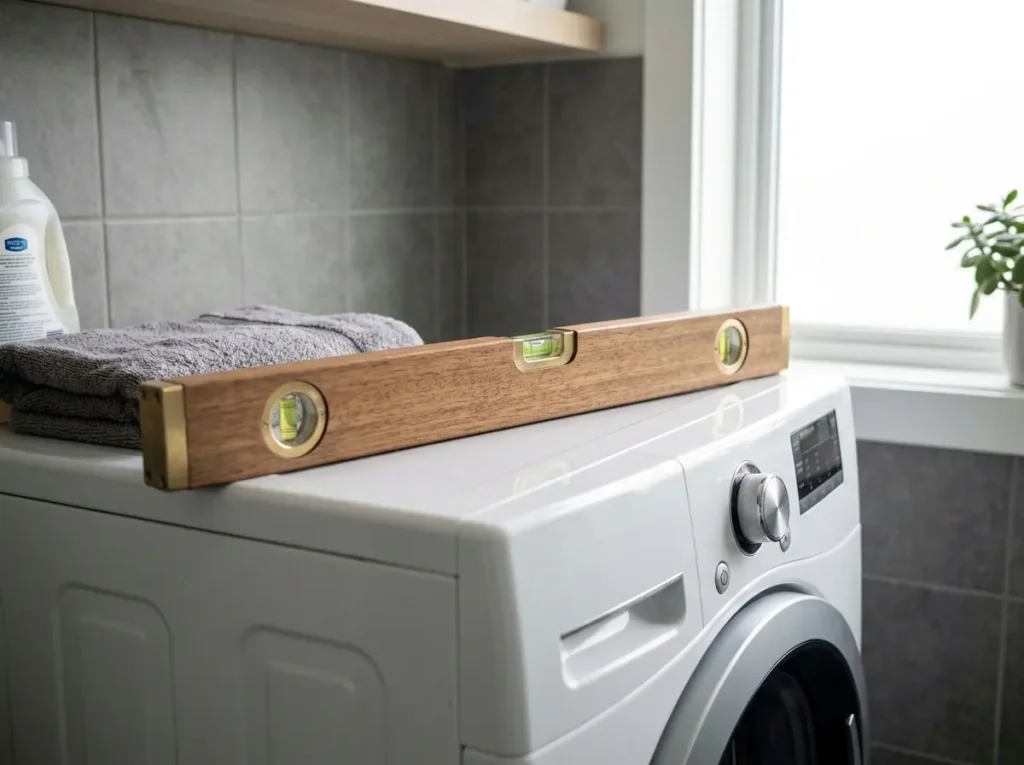
| Level Check | Every 6 months, or after any noticeable “walking” | Carpenter’s level | Prevents bearing/suspension wear |
| Rubber Feet Inspection | Every 6-12 months | Visual check | Worn or cracked feet lose their grip and reintroduce vibration. |
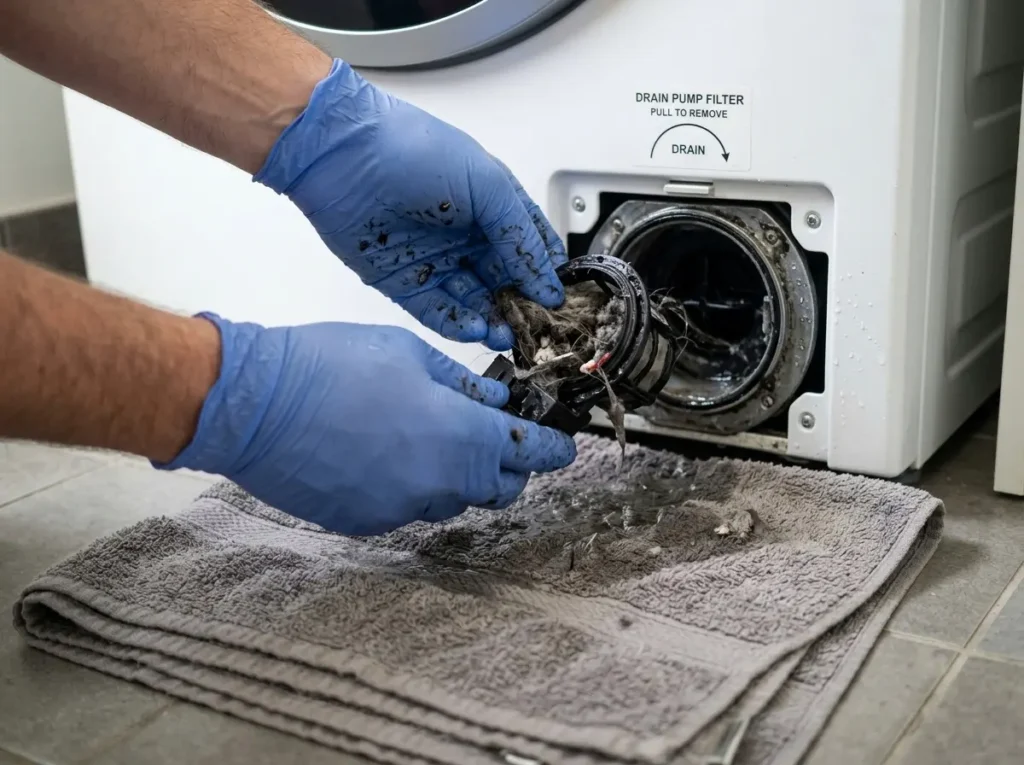
| Drain Pump Filter Check | Monthly | Towel, gloves | Prevents trapped-water odor |
5. The Stability Audit: Why Shaking Kills Your Maytag
Most people ignore a maytag washing machine that dances or walks across the floor, treating it as a nuisance. In reality, vibration is a mechanical assassin.
When a Maytag isn’t level, the drum spins off-center, creating what technicians call eccentric force, similar to a car wheel that’s lost a balance weight. At high spin speeds, that force works to tear the suspension rods and bearings out of place over time.
⚠️ The Square Rule of Vibration
In physics, the destructive force of vibration scales with the square of the speed. That means doubling your spin speed roughly quadruples the force working against your machine’s bearings, which is exactly why a small, ignored tilt tends to turn into a real mechanical problem well before the machine’s expected lifespan is up.
6. Leveling Your Machine the Right Way
After you level your machine with a carpenter’s level, a short empty test spin is the simplest way to confirm the fix worked; run one cycle with nothing inside and listen for banging or walking.
A note on “calibration resets”: you may see online guides describing a specific sequence of dial clicks to enter a hidden calibration mode. We’re leaving that out here deliberately; these sequences vary significantly between models and production years, and following the wrong one for your specific model can land you in an unrelated diagnostic or service mode instead of what you intended. If your machine still walks or bangs after it’s properly leveled and load-balanced, that’s no longer a maintenance issue; it’s worth checking your specific model’s owner’s manual or a proper diagnostic guide rather than a generic online sequence.
👉 [Maytag Lid Lock Bypass: How to Fix a Stuck Sensor]
7. Frequently Asked Questions
Q: Is vinegar safe for the rubber seals?
A: Yes. Bleach is a powerful disinfectant but can make rubber brittle over time. Vinegar is acidic enough to kill mold while staying gentle enough to keep the gasket flexible for years.
Q: Why does my Maytag still smell even after a vinegar cycle?
A: Check the drain pump filter. If hair, lint, or old coins are trapped there, stagnant water sits in the pump housing, no amount of vinegar in the drum reaches that smell.
Q: Can I use dishwasher pods to clean my washer?
A: No. Dishwasher detergent is designed for non-porous surfaces like glass and ceramic. In a washing machine it can cause excessive foam that leaks toward the electronic control board and risks a short circuit.
Q: Is this really a weekly ritual, or do the tasks run on different schedules?
A: Different schedules. The quick habits, leaving the door open and checking the gasket, are genuinely weekly. The vinegar flush is monthly, and coil dusting is every 3-6 months. Think of “30 minutes” as the time any single session takes, not a claim that everything happens every week.
Q: I have very hard water; is the monthly vinegar flush actually enough?
A: For moderate hardness, usually yes. If you’re already on a monthly schedule and still seeing visible scale or reduced water heating performance, that’s a sign to step up to a stronger citric-acid-based descaler rather than running vinegar more frequently.
Q: How can I tell if my washer is unlevel without buying a tool?
A: Run an empty spin cycle and watch the machine’s corners. If one corner lifts slightly or the whole unit shifts position, it’s unlevel. A level gives you a precise reading, but a visual check during an empty spin will catch an obvious problem.
Q: Is it normal for a well-maintained Maytag to make some noise?
A: Some operational sounds are normal: water filling, the drum spinning up, and the compressor cycling. What’s not normal is banging, walking across the floor, or grinding. If your maintenance and leveling are already solid and you’re still hearing those, that’s a sign to move from prevention to diagnosis.
Conclusion
A clean, balanced Maytag isn’t just a machine; it’s peace of mind. Thirty focused minutes, spread across the right schedule rather than crammed into one day, is a small investment against the cost and stress of a future repair. If you want to know how today’s Maytag lineup holds up to this kind of care over the long run, our full audit breaks down which current models are built to last and which carry more repair risk.
👉 [Maytag Front-Load Washers 2026: Fresh Hold Hero or Repair Risk?]