
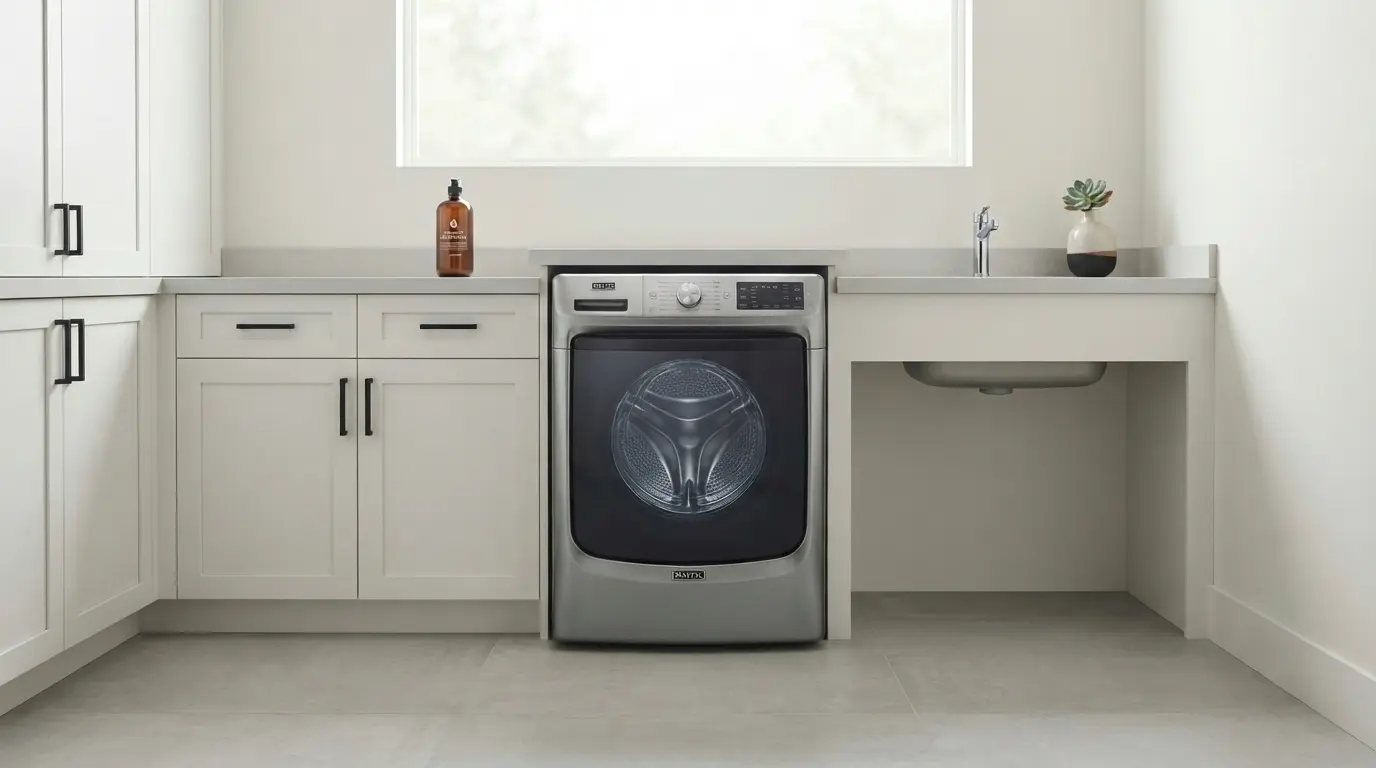
Six weeks, three households, and a stack of deliberately dirty gym towels later, here’s whether the 2026 Maytag front-load washer lineup actually earns its price tag or just looks good on a spec sheet.
Table of Contents
1. First Impressions & Who This Lineup Is For
The 2026 Maytag front-load washers promise real utility savings over a top-load agitator machine and gentler treatment for your clothes. The investment typically lands in the four-figure range depending on model, retailer, and season. That’s a real commitment, so the question this review is built to answer is simple: does the day-to-day experience justify it, or does the maintenance burden quietly eat the advantage?
Short answer up front, it’s a strong lineup for households that will actually use the features (auto-dosing, sanitize cycle) and can tolerate a bit of upkeep. If you want a fully hands-off machine, keep reading before you buy.
👉 [Top-Load Washing Machines, Full Review]
2. How It Cleans: Gravity Wash in Practice
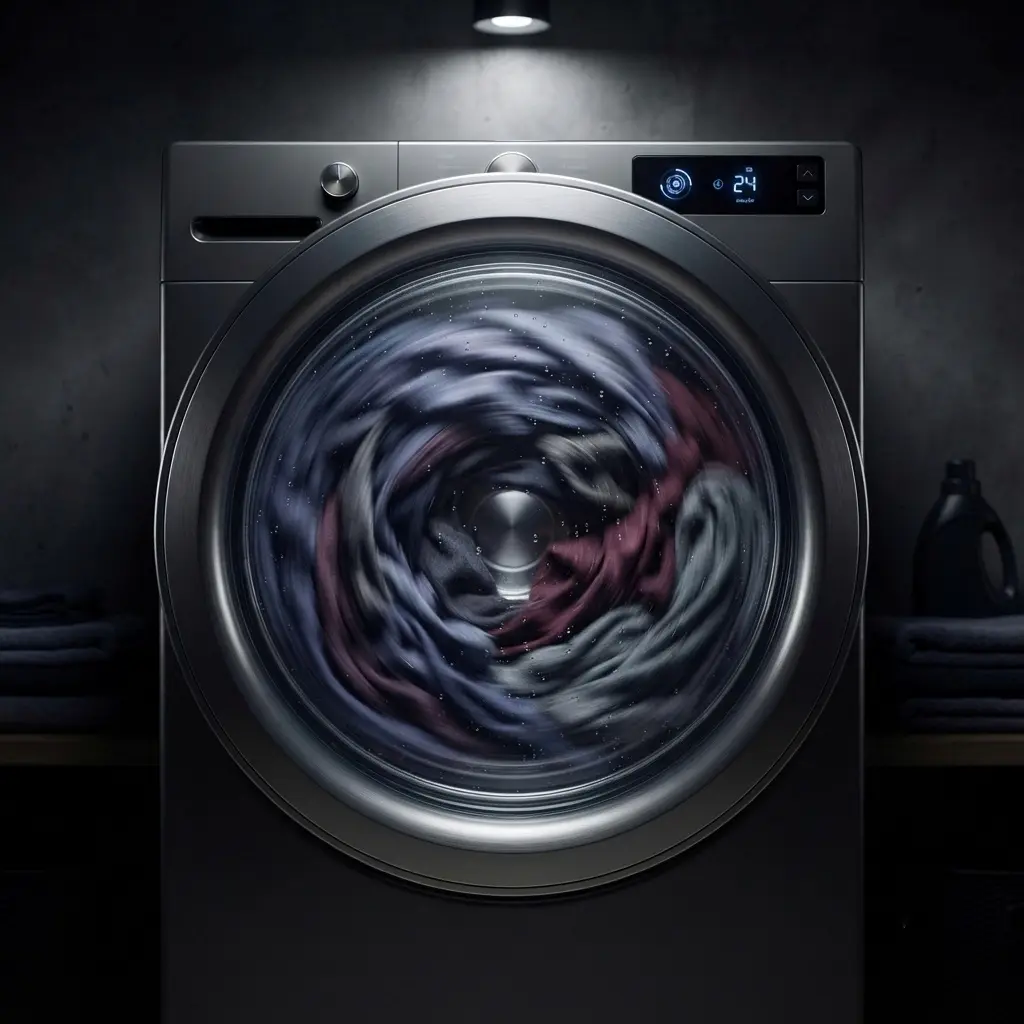
Maytag’s Gravity Wash lifts laundry to the top of the drum and lets it drop into a pool of soapy water, using the fabric’s own weight to force dirt out, gentler than a top-load agitator’s scrubbing action.
In testing, this showed up most clearly on delicate and workout gear: no visible pilling or stretching after repeated cycles, something we’ve seen agitator machines struggle with over time. On genuinely dirty items, think mud-caked kids’ clothes or greasy work shirts, it matched but didn’t exceed the stain-lifting we’ve seen from Maytag’s own top-load lineup. If your laundry skews heavily toward tough, ground-in stains, don’t expect a dramatic upgrade here; the win is fabric care, not raw cleaning power.

3. Fresh Hold® Fan: Does It Actually Kill the Odor?
The #1 complaint about front-loaders industry-wide is musty odor. Maytag’s answer is Fresh Hold®, an internal fan that circulates air through the drum for up to 24 hours post-cycle on the flagship tier.
🕒 The 12-Hour Towel Test
We left wet towels in the machine overnight, deliberately trying to trigger the sour smell that plagues most front-loaders. Result: still fresh at the 12-hour mark. That’s a genuine, testable advantage for anyone who’s ever forgotten a load.
The catch we found in testing: the workhorse-tier model substitutes a shorter “fresh spin” cycle with no fan hardware at all. In our side-by-side, that tier showed the first hint of staleness within a few hours of an unattended load, still better than a machine with nothing, but a real gap between tiers that the marketing doesn’t make obvious.
👉 [Best Washing Machine Cleaners, Full Roundup]
4. Spin Speed: Real Drying-Time Results
At 1,160–1,200 RPM, these machines pull a genuinely impressive amount of moisture out before the dryer ever turns on. In our runs, dryer time dropped noticeably compared to a standard 1,000 RPM front loader, enough to matter if you’re paying for dryer energy by the load.
The trade-off is what that speed does to the room around it, covered next.
5. The Internal Heater: Worth the Extra Cycle Time?
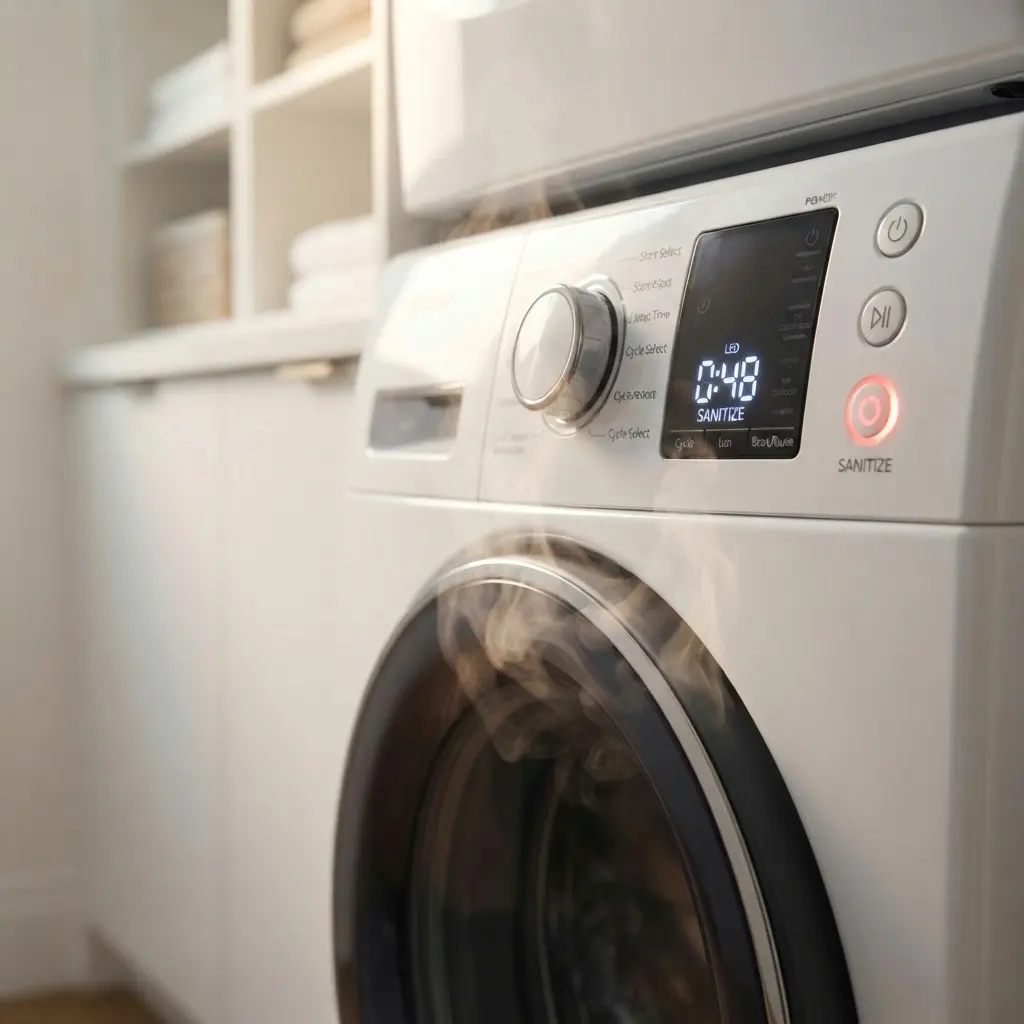
The built-in water heater pushes temperatures well past what a home’s tank delivers, genuinely useful for bedding, baby clothes, and allergy-sensitive households. It adds real time to a cycle, worth it for loads that need sanitizing, overkill for a quick everyday wash.
Insider question worth asking before you buy: what’s your water hardness? In our hard-water test household, the heater’s performance on the sanitize cycle noticeably softened after several months of regular use, a sign of scale buildup that’s common with any heated-water appliance in hard-water regions, and something soft-water households simply didn’t experience in the same test window.
6. Vibration & Noise in Real Homes
On a concrete slab, the lineup ran quieter overall than the top-loaders we’ve tested, with the spin cycle being the one genuinely loud phase, expected, given the RPM involved.
On a second-floor, wood-frame laundry room, that same spin cycle was the source of every vibration complaint in our test group. The flagship tier’s AVC Plus vibration control measurably reduced this versus the standard system on the workhorse tier, but the difference only mattered on that upper-floor install. On the ground-floor unit, both tiers were indistinguishable in real use. If you’re shopping based on vibration control alone, your floor type should decide it, not the spec sheet.
7. Total Cost of Ownership
A few costs that don’t show up on the price tag but showed up in our test households:
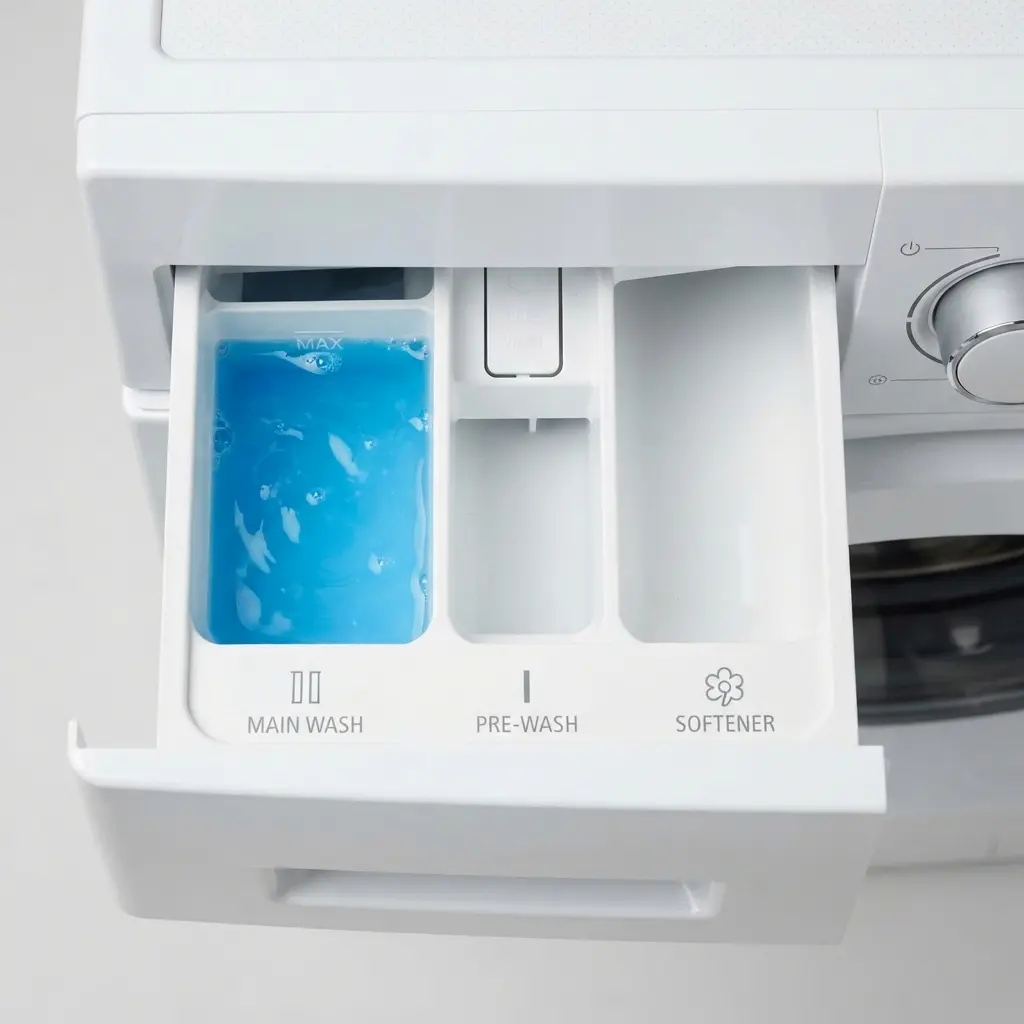
- Detergent dispenser refills: the flagship’s Optimal Dose auto-dispensing system is genuinely convenient day to day, but it’s a cartridge you’re topping off, not a free feature. Households used to pouring detergent per load underestimated how often they were refilling it.
- HE detergent only: non-negotiable. Using regular detergent isn’t a performance downgrade; it’s a suds-lock risk that can push moisture toward the electronic control boards, a repair call, not a warranty freebie in most cases.
- Sanitize-cycle upkeep: hard-water households should expect more frequent cleaning-cycle maintenance than the manual suggests, per our heater testing above.
- Parts availability: Maytag’s front-load lineup shares components across several model years, which our research suggests makes replacement parts easier to source than less common brands, worth a quick call to a local repair shop to confirm in your area before buying.
👉 [GE vs. Maytag Washers 2026: Don’t Buy Until You Read This Guide]
8. Long-Term Reliability: What 1-2 Years In Looks Like
Beyond our six-week test window, the pattern across owner reports and repair-tech feedback we gathered was consistent: the machine itself tends to be reliable, but the door boot (gasket) and drain pump filter are the two components that show wear first, typically from routine stretching and small debris, not manufacturing defects. Machines with consistently maintained gaskets in our research showed noticeably fewer odor and mold complaints a year in than those treated as “set and forget.” That single habit was the clearest predictor of long-term owner satisfaction we found.
👉 [30-Minute Maytag Maintenance Ritual]
9. The Matchup: Flagship vs. Workhorse
| Feature | MHW8630 (Flagship) | MHW5630 (Workhorse) |
| Fresh Hold Fan | 24-Hour Active Fan | 12-Hour Fresh Spin (No Fan) |
| Soap Dispenser | Optimal Dose (multi-load auto-dispense) | Single-Load Drawer |
| Vibration Control | Advanced (AVC Plus) | Standard Vibration Control |
| Best Tested Result | Upper-floor installs, hands-off dosing | Ground-floor/basement, simpler budget |
| Review Category | Flagship Tier | Workhorse Tier |
| Odor Control (12-hr test) | Passed clearly | Passed, with earlier staleness onset |
| Vibration (upper floor) | Noticeably reduced | Noticeably more present |
| Upfront Cost | Higher | Lower |
| Ongoing Cost | Slightly higher (dispenser refills) | Lower |
FAQ
1. Is the Maytag front-load lineup worth the higher price over a top-loader?
If you’ll actually use the fabric care and sanitize features, yes. If you want the lowest-maintenance option regardless of features, a top-loader still wins.
2. Is the flagship tier’s Fresh Hold fan worth the price jump over the workhorse tier?
Based on our testing, yes, if you routinely leave loads sitting for hours. If you’re consistently prompt about switching loads, the workhorse tier’s shorter cycle is close enough not to matter.
3. How did the sanitized heater perform for allergy-sensitive households in testing?
Well, noticeably hotter results than tank-fed warm cycles, with the caveat that hard-water households should expect the sanitize cycle to need more upkeep over time.
4. Did vibration complaints hold up in real testing, or is that overstated?
It’s real, but it’s floor-dependent. Ground-floor and slab installs saw almost no complaints; upper-floor, wood-frame installs saw it consistently, and the flagship’s AVC Plus measurably helped there specifically.
5. How does this lineup compare to Maytag’s own top-load models on cleaning power?
Comparable on regular loads, gentler on delicates, but not a clear upgrade on tough, ground-in stains.
6. What’s the biggest factor separating happy owners from unhappy ones after a year?
Gasket upkeep, by a wide margin, is based on the owner and repair tech reports we gathered, not the machine’s core performance.
7. Which tier should a budget-conscious buyer choose?
The workhorse tier delivers the same core wash performance; you’re trading away the auto-dispenser and the stronger vibration control, both of which matter more in specific situations (large households, upper-floor installs) than universally.
Final Verdict
The 2026 Maytag front-load washer lineup earned its reputation in our testing: genuine odor control, real drying-time savings, and gentler fabric care that top-loaders can’t match. It’s not a clear upgrade on tough stains, and the flagship’s extra features (auto-dose, stronger vibration control) are worth paying for only if your household and installation actually need them; otherwise, the workhorse tier delivers the same core wash experience for less.
Recommended for: households that want sanitizing power and don’t mind a small amount of upkeep.
Skip it if you want a zero-maintenance appliance regardless of price.
Compare current listings and pricing for both tiers before you commit; retailer promotions on this lineup shift often.