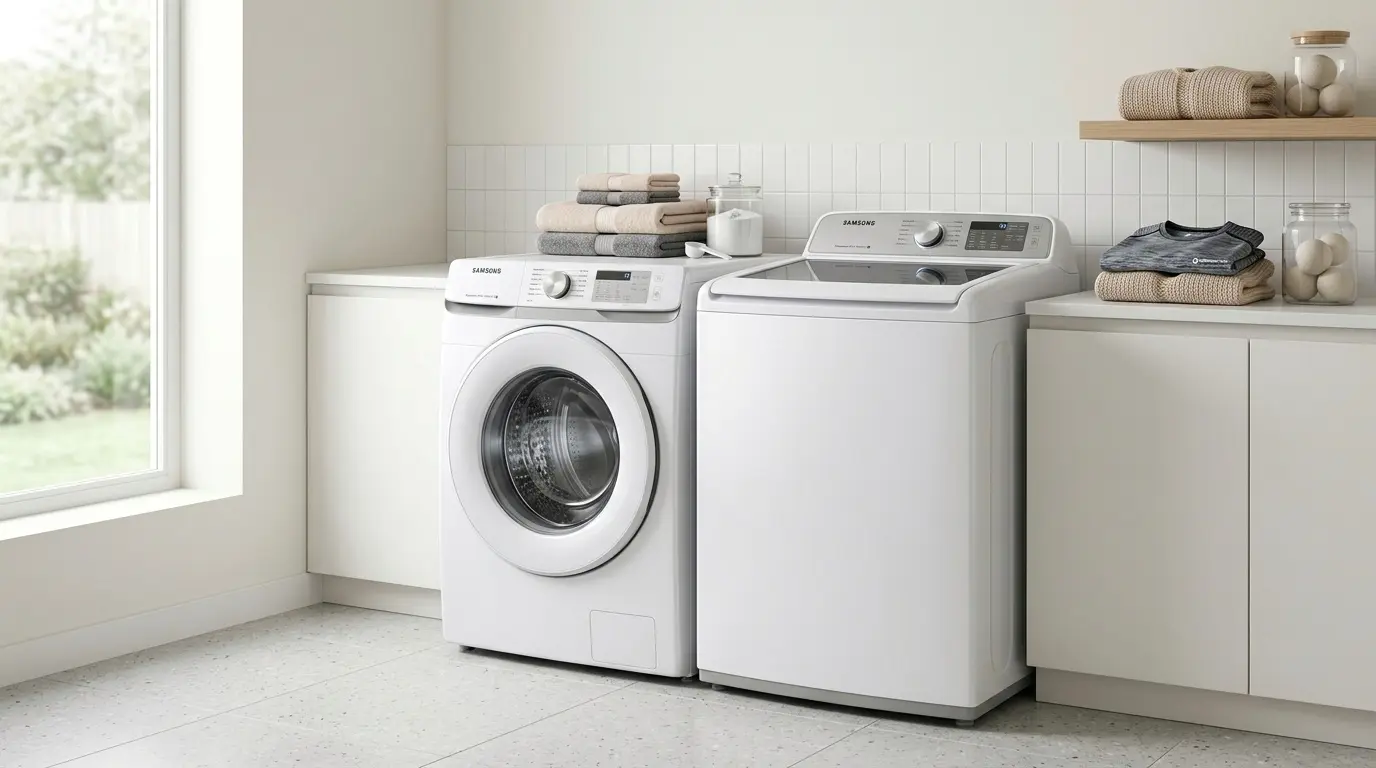
Standing in front of two Samsung washers in a showroom, both gleaming, both promising to change your laundry life, somehow you’re supposed to just know which one is right. You’re not alone. This is the single most common question we get asked about Samsung front-load vs. top-load models, and the honest answer is it depends entirely on your body, your budget, and your laundry basket.
Table of Contents
1. The Real Decision Factors (Not Marketing Fluff)
Every buying guide tells you to think about capacity and features. That’s not wrong, but it’s not where most people actually go wrong. After helping dozens of customers pick machines over the years, the decision almost always comes down to three things: your physical comfort (bending vs. standing), how much laundry you actually do per week, and whether you’re washing delicate or expensive fabrics regularly.
If you’re buying based on looks alone, plenty of us have, you’re setting yourself up for months of quiet regret. Buy based on how you’ll actually use the machine every single morning, not how it looks in your laundry room photos.
👉 [Samsung Washing Machine Maintenance Guide]
2. Samsung Front Load 2026: Who It’s Actually For
The front-load lineup is built for people who care about two things: their utility bills and their clothes. Many of Samsung’s higher-end 2026 front-load models spin at speeds up to 1400 RPM, which pulls far more water out of fabric before it ever hits the dryer, meaning shorter dry times and less heat-related wear.
This is the machine for you if:
- You wash a lot of activewear, delicate fabrics, or anything labeled “gentle cycle.”
- You live somewhere water costs real money; Samsung’s own Wobble Technology comparisons cite savings in the range of 35-40% less water per cycle versus a comparable top-loader, and front-load designs generally track close to that range too
- You don’t mind (or have a way around) bending down to load and unload
- You want built-in steam cycles for deeper hygiene washing
Where it falls short for the right buyer: if you have back or knee issues, daily bending becomes a genuine quality-of-life problem, and a pedestal to raise the machine is an extra cost most showrooms won’t mention upfront.
3. Samsung Top Load 2026: Who It’s Actually For
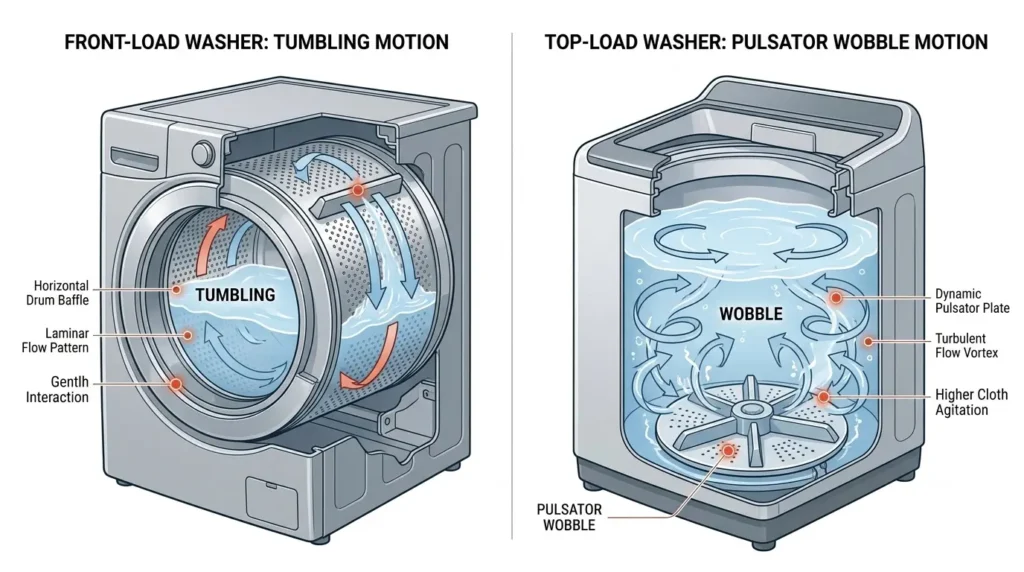
Samsung’s 2026 top-load models have closed most of the gap that used to make people avoid them. Samsung’s real Wobble Technology pulsator system creates multi-directional water movement instead of the old twist-and-tangle action, so clothes come out far less knotted than with older generations. This is a genuine, documented Samsung mechanism, not just marketing language.
This is the machine for you if:
- You have a large household doing multiple loads daily and need speed over efficiency
- Bending down repeatedly is a real physical strain for you
- Your laundry involves a lot of mud, sand, or heavy outdoor dirt; top loaders fully submerge clothes, which lifts heavy soil away more effectively than a low-water front loader
- You want a simpler, more familiar washing experience with fewer smart quirks to troubleshoot
Where it falls short: if you regularly wash silk, fine wool, or anything genuinely delicate, the increased friction (even with Wobble Technology) is harder on fabric than a front loader’s tumble action.
👉 [5 Best Samsung Washing Machines of 2026]
4. Price Breakdown: Upfront Cost vs. Long-Term Cost
This is where most buyers get blindsided. The sticker price is only half the story.
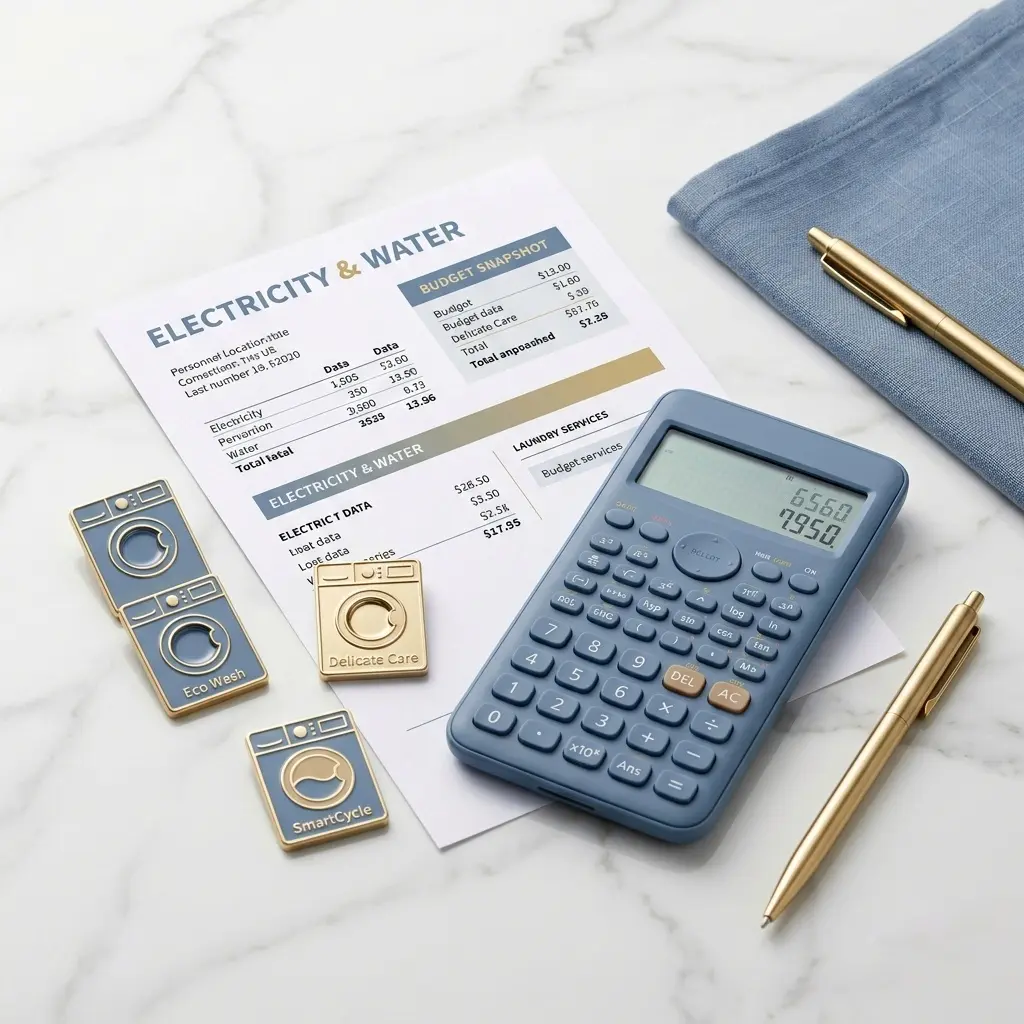
Upfront cost: front loaders generally carry a higher purchase price than comparable-capacity top loaders, largely due to the heating elements, steam systems, and higher-torque motors packed in.
Long-term cost: front-load components, particularly the spider arm bracket and inverter motor assembly, tend to cost meaningfully more to replace than equivalent top-load parts, since they’re built to withstand higher spin speeds and constant water exposure. Top loaders, lacking that submerged bracket entirely, tend to need fewer major mechanical repairs over their lifespan.
Utility savings: front loaders claw back some of that upfront cost over years of ownership through lower water and energy bills, especially when paired with Samsung’s real AI Energy Mode in the SmartThings app, a genuine, documented feature that adjusts cycles based on fabric type and load size to cut energy use.
👉 [Samsung Washing Machine Error Codes: Fix Them Yourself & Save $150]
5. Space, Stacking & Apartment Considerations
If you live in an apartment or have a tight laundry closet, this section might decide everything for you.
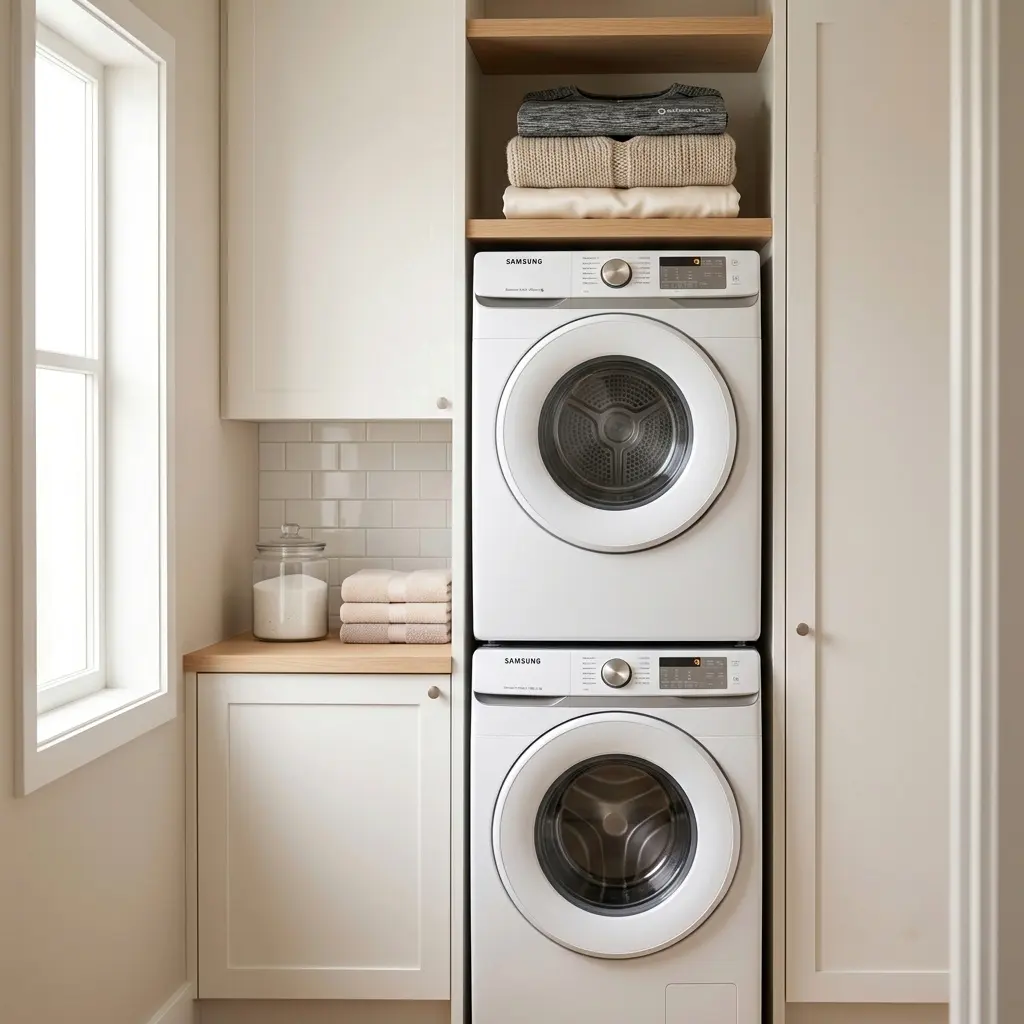
Front loaders can be stacked with a matching dryer using a stacking kit, instantly doubling your usable floor space, a huge win in small city apartments. Top loaders cannot be stacked this way; they need side-by-side placement, which means more floor footprint.
On the flip side, front loaders need clearance in front of the door to fully open, while top loaders just need overhead clearance to lift the lid, something to measure carefully if you’re working around low shelving or cabinets.
6. Fabric Care: Which Protects Your Clothes Better
If you’ve ever pulled an expensive sweater out of the wash looking like it shrank in a sauna, this section is for you.
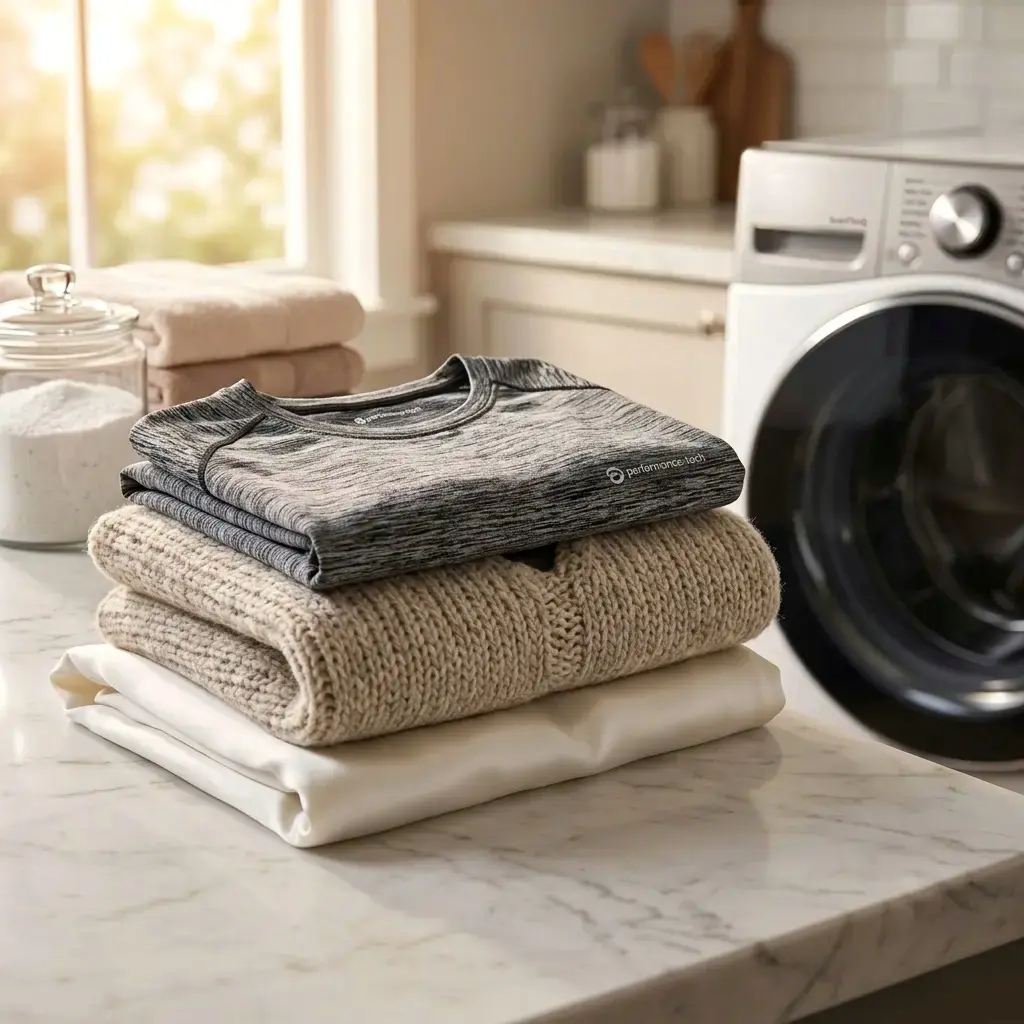
Front loaders use a gentle tumbling motion with no central agitator, meaning significantly less friction and stretching on fabric. Combined with steam cycles that open fibers for deeper, gentler cleaning, this makes front loaders the safer long-term choice for activewear, wool, and delicate items.
Top loaders’ Wobble Technology has improved dramatically, but the physics still involve more direct fabric-on-fabric and fabric-on-drum contact than a front loader’s gravity-drop tumble. For everyday cotton, towels, and bedding, this difference is negligible. For your good leggings or silk blouses, it adds up over a year of washes.
7. How These Hold Up After 1-2 Years
Spec sheets and showroom demos don’t tell you what either machine feels like to own a year or two in.
Front load: the door gasket is the part most likely to need attention; trapped moisture and lint around the seal is the most common source of the “front-load funk” smell owners complain about after the first year. This isn’t a defect; it’s a design trade-off for the water efficiency. Leaving the door cracked between washes and running a tub-clean cycle periodically keeps it from becoming a real problem.
Top load: the pulsator mechanism and the drive components tend to be simpler and more forgiving of minor imbalance than a front-load drum spinning at high RPM, which is part of why top loaders generally see fewer major repairs in their first couple of years. The trade-off is the fabric wear discussed above, which shows up gradually rather than as a sudden failure.
A question worth asking a salesperson at this stage: does this specific model support SmartThings error notifications? Catching a small issue (a drain restriction, an unbalanced load warning) early via a phone alert is a genuinely different ownership experience than discovering it mid-cycle with water on the floor.
👉 [Samsung Washing Machine SmartThings Setup: Controlling Your Laundry via Phone]
8. Samsung Front-Load vs. Top-Load: Quick Comparison Table
| Factor | Front Load | Top Load |
| Water usage per cycle | Meaningfully less (Samsung cites up to ~40% in some comparisons) | Higher |
| Spin speed | Up to 1400 RPM on higher-end models | Generally lower |
| Upfront price | Higher | Lower |
| Long-term part cost | Higher (spider arm bracket, inverter motor) | Lower |
| Stackable with dryer | Yes. | No |
| Bending required | Yes, constantly | No |
| Best for delicate fabrics | Yes. | Moderate |
| Best for heavy mud/sand loads | Moderate | Yes. |
| Noise during spin | Louder | Quieter, consistent hum |
9. Which Should You Buy? By Household Scenario
| Household Situation | Better Fit | Why |
| Small apartment, limited floor space | Front load | Stackable with a dryer, smaller footprint |
| Large family, frequent muddy/outdoor laundry | Top load | Faster load/unload, better on heavy soil |
| Back or knee problems | Top load (or front load + pedestal) | No bending, though a pedestal adds cost |
| Heavy activewear or delicate-fabric household | Front load | Gentler tumble action, steam cycles |
| Renting, budget-conscious, simple needs | Top load | Lower upfront cost, fewer major repairs |
| High water/utility costs in your area | Front load | Meaningfully lower water use per cycle |
10. FAQs
Is a front-load washer really worth the higher price?
If you wash a lot of delicate or expensive fabric or pay a lot for water and electricity, yes, the fabric care and utility savings add up over a few years of ownership. If you’re budget-focused and don’t have delicate laundry needs, a top loader gives you more value per dollar.
Which one is better for a large family?
Top loaders generally win for large households doing frequent loads, since they’re faster to load and unload and handle heavy dirt better without pre-treating.
Can I stack a top-load washer with a dryer to save space?
No, top loaders aren’t designed for stacking. If floor space is tight, a front loader with a stacking kit is the better buy.
Which is quieter for late-night laundry?
Top loaders have a more consistent hum throughout the cycle. Front loaders are quiet during the wash but noticeably louder during high-speed spin, since that extra spin speed is what’s extracting the additional water.
Is a front-load washer a good choice for someone with back problems?
Generally no, unless you’re willing to add a pedestal riser as an extra cost. Top loaders let you load and unload standing upright, which matters more day-to-day than most buyers expect going in.
Do front-loaders really save that much water?
Genuinely, yes, Samsung’s own published figures for its water-saving technologies point to meaningful reductions per cycle compared to a comparable top-load model, and that adds up significantly over a year of multiple weekly loads.
Which is the safer buy for someone who washes a lot of activewear or delicates?
Front load. The tumble action is gentler than the pulsator-based agitation in a top loader, even with genuine anti-tangle technology like Wobble Technology.
11. Final Buying Verdict
If you’ve got a packed laundry schedule, a bad back, or a big family generating mountains of muddy clothes, buy the top loader. It’s the workhorse that won’t make you think twice.
If you’re investing in expensive workout gear, living in a space-tight apartment, or just want to cut your water bill, the front loader is the smarter long-term buy, even with the higher price tag.
There’s no universally better machine here. There’s only the machine that matches how you actually live and wash. Buy for your life, not for the showroom shine.
👉 [Best Samsung Washing Machines of 2026: Quiet, Large, and Reliable]