
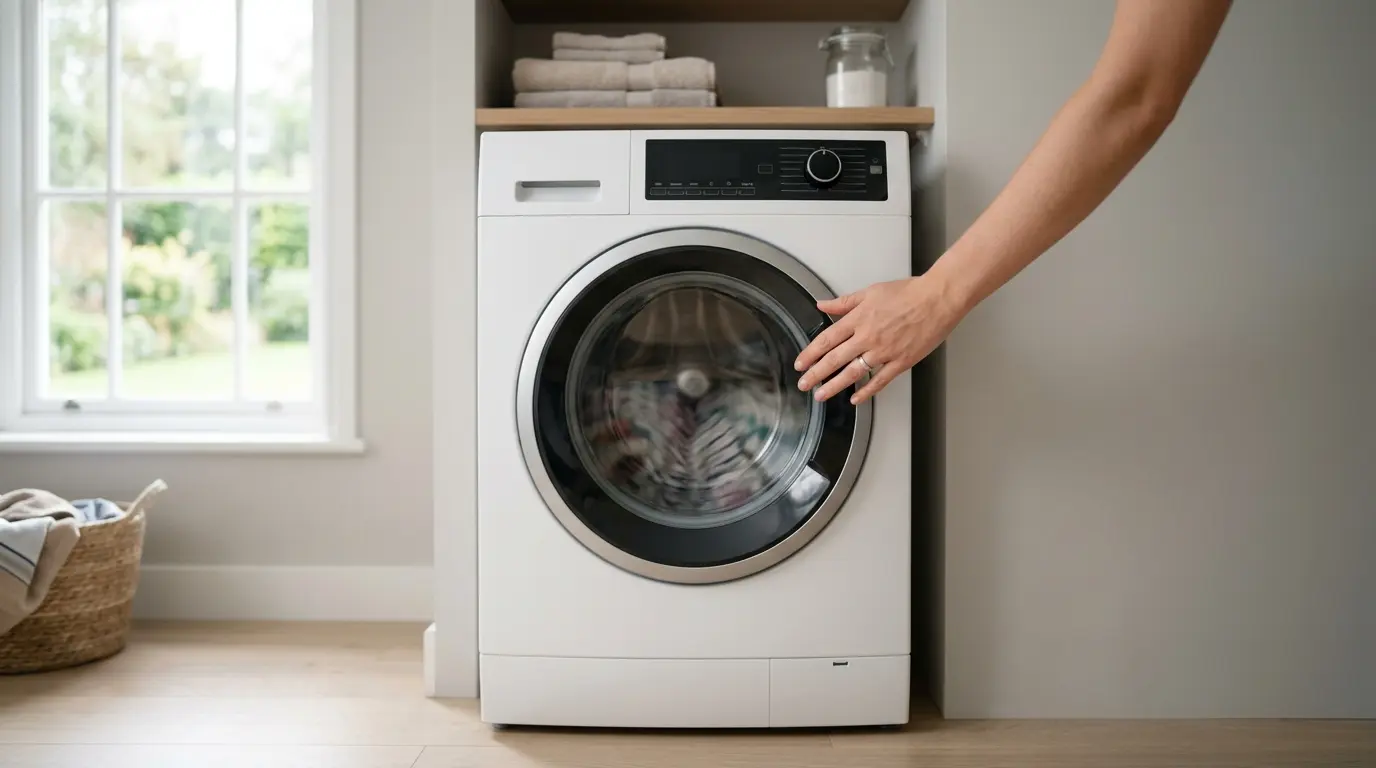
The door is shut, the drum is loaded, the detergent is in, and pressing Start produces nothing. When a Frigidaire washer won’t start with the door closed, the cause usually sits in one of three places: a control lock that quietly disabled the panel, a start button that expects a different kind of press, or a door lock switch that never told the control board to close and lock.
From the outside these three look the same, but each leaves small clues: whether the buttons beep, whether a latch clicks, or whether the display reacts at all. Below is what each part does, why it can block a cycle, and how to tell the suspects apart before anyone starts replacing parts.
Table of Contents
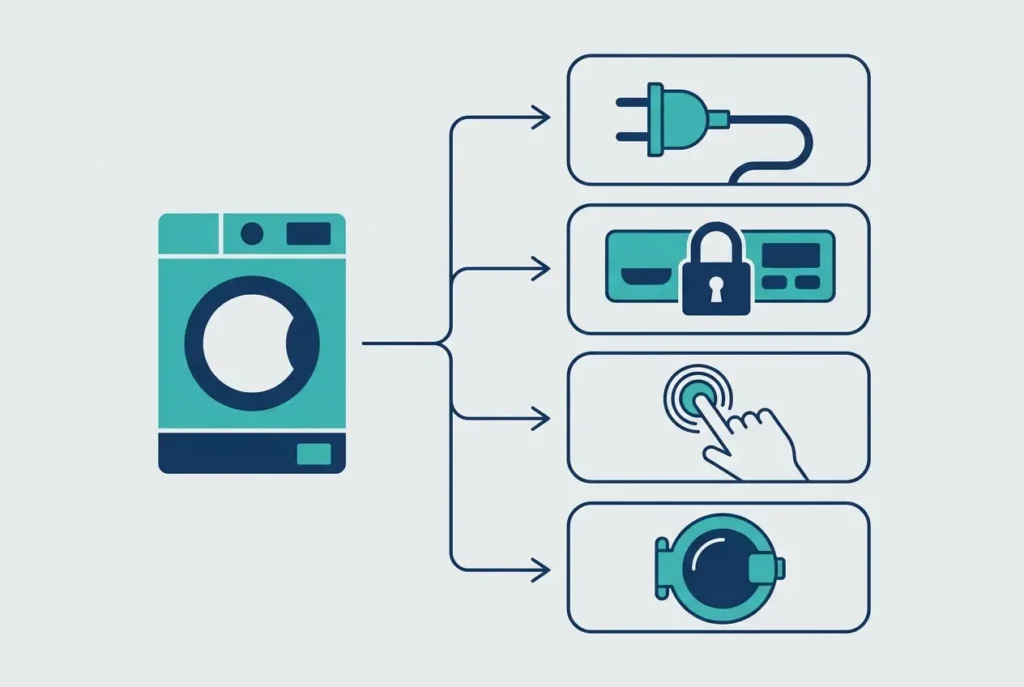
Sort the Symptom First: What Frigidaire Washer Won’t Start Can Mean
Won’t start covers several different behaviors, and each points toward a different part of the machine. Sorting the symptom first rules out whole groups of causes.
The first split is whether the control panel responds at all:
- No lights, no beeps, no display: The problem is more likely upstream of the door lock, such as the power cord, the outlet, a tripped breaker, a wiring connection, or the main control board.
- Lights on, but the buttons seem ignored: The control electronics have power. A control lock, a worn button, or a panel fault becomes the leading suspect.
- Buttons respond, and Start is acknowledged, but nothing moves: The washer accepted the command and did not proceed. The door lock circuit, the latch, or the board that drives the lock comes into play.
- The cycle begins, then stops or returns to idle within moments: The board may be trying to lock the door without receiving confirmation, or the door closed signal may drop once the lock engages.
Many Frigidaire models show an indicator light, icon, or message when something blocks a cycle. What those indicators mean differs by model and generation, so the manual or the model label is the reliable reference for the exact wording on a given machine. A door-related indicator can resemble a control lock indicator, which is one way the two get mixed up.
Front-load washers have a door, and top-load washers have a lid with its own switch. The same logic applies to both, and the word “door” below covers either unless stated otherwise.
Control Lock: The Quiet Cause That Mimics a Failure
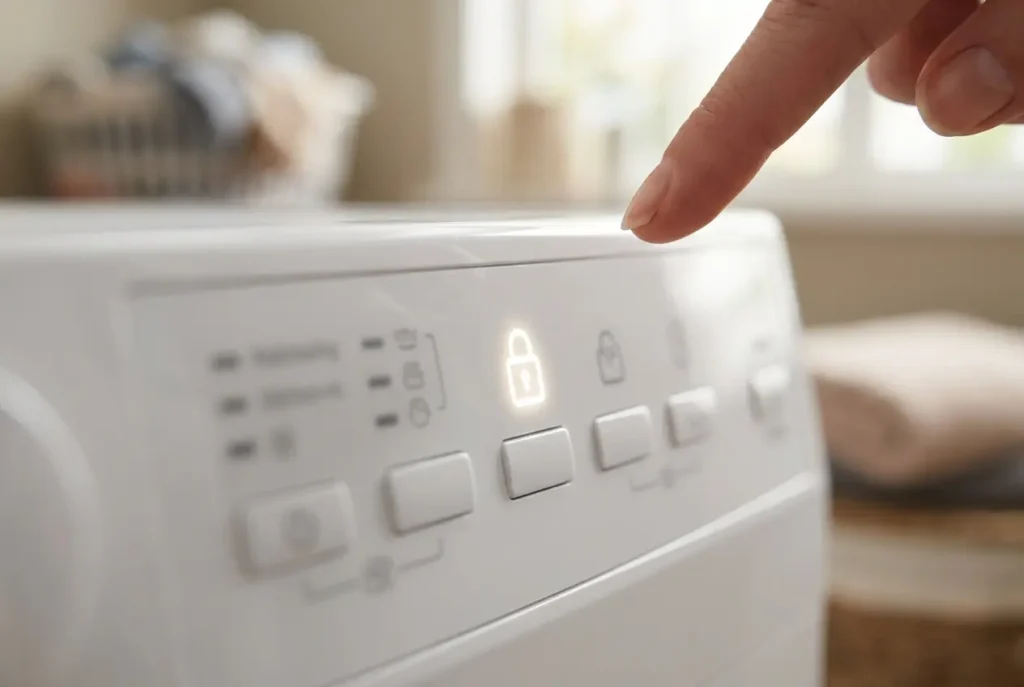
Control lock, sometimes called a child lock, is a feature on many washers, including many Frigidaire models. It disables the panel buttons so that a cycle is not started or altered by accident. When it is on, the washer can look completely unresponsive even though nothing is broken.
How it is turned on and off differs by model. Some use a dedicated button, some a button held for a few seconds, and some a combination of buttons. You can usually find your model’s manual on Frigidaire’s official support site by searching with the model number from the label. and trying random button combinations may change other settings along the way.
It gets mistaken for a fault because it can be engaged without anyone noticing. In a typical scenario, a household wipes down the panel, a child presses and holds a button, or a hand brushes the panel while loading. On the next load, Start does nothing, and the natural conclusion is that the control board has failed. The lock indicator is often a small icon or light that is easy to overlook.
Clues that point toward control lock:
- Buttons produce no beep, or a different beep than usual, on models that normally beep.
- A lock icon or light is lit on the panel.
- The door closes normally with a latch sound, yet the panel does not accept input.
- The behavior changed suddenly, with no sign of damage, a power event, or a leak.
On some models the setting may persist after power is interrupted, so unplugging the washer is not a dependable way to rule it out. The quick check is to look for the lock icon and read the control lock entry in the manual before suspecting anything electrical.
The Start Button: Tap, Hold, Delay, and Pause
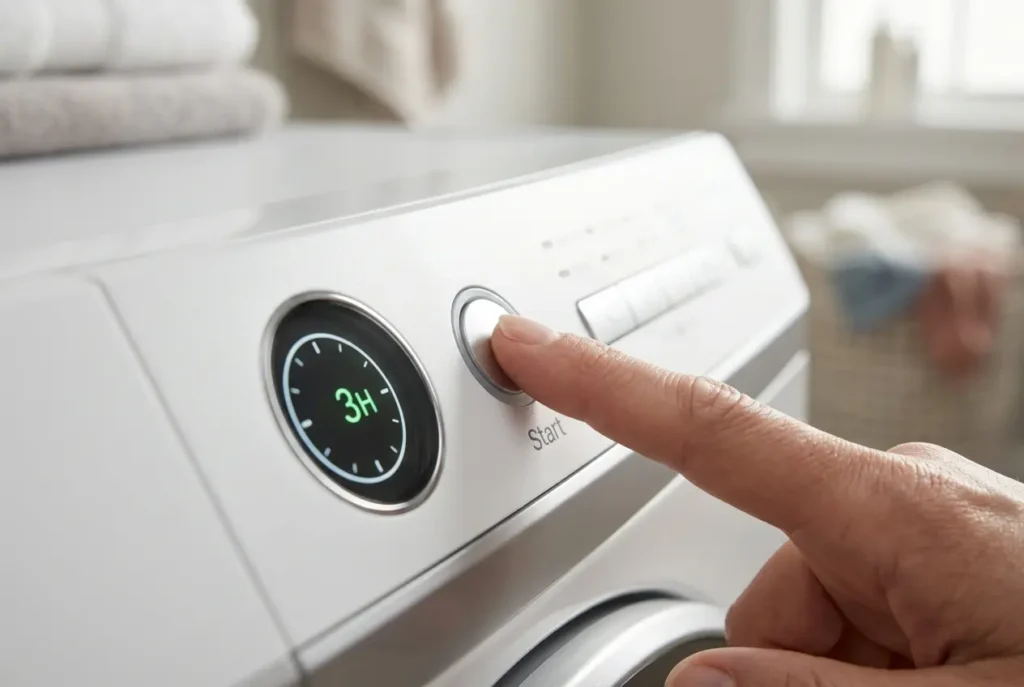
A Start button that does nothing is sometimes doing what it was designed to do under conditions the user did not expect. Several settings and habits produce the same symptom:
- Press style: On some washers the Start/Pause button must be pressed and held briefly rather than tapped, and a quick tap may be ignored. The manual for the model describes the expected press.
- No cycle selected: Some washers need a cycle chosen first. If the selector sits between positions or no cycle indicator is lit, Start may not begin anything.
- Delay start: If a delay was set, the washer waits, and the display may show a countdown or delay indicator. To someone who does not expect it, the washer simply appears not to start.
- Paused cycle: If the door was opened mid-cycle or the pause was pressed, the washer may need Start pressed again, with the door fully closed first.
- Worn or damaged button: Touch panels and membrane buttons can wear, and moisture can interfere with them. When you clean the panel, use a slightly damp microfiber cloth rather than spraying cleaner onto it. A typical symptom is that other buttons work while Start responds only on a firm press or in certain spots.

- ULTRA SOFT MATERIAL & SCRATCH FREE – Ultra soft and highly absorbent microfiber cleaning cloths, great for cleaning wind…
- ABSORBENT & LINT FREE – These non-abrasive cleaning rags can soak up water from the countertop and tables instantly and …
- TACKLE VERSATILE CLEANING JOBS -These premium microfiber towels are also perfect dish rags which don’t smell, removes gr…
👉 Frigidaire Washer Maintenance Schedule: 5 Easy Cleaning Tips
The key distinction is whether the start press is acknowledged. A beep, a light change, or a display change after pressing Start suggests the button and panel are working, and the stoppage is further downstream, at the door lock circuit or the board. If no button gets any acknowledgement, the panel itself or a control lock is more likely than the Start button alone.
The Door Lock Switch and Latch: How the Washer Decides the Door Is Closed
Washers hold the door shut during a cycle to contain water and tumbling laundry, and the control board generally waits for confirmation that the door is closed and locked before it fills or spins. The door lock assembly typically combines three jobs: a latch that catches the door’s hook or striker, a switch that senses the door is closed, and a locking mechanism that engages once a cycle is requested. Designs differ between models and between front-load and top-load washers, so the exact layout is something the model’s parts diagram shows.
Because these jobs are separate, a door closed can be true to the eye and false to the board. Common ways that happen:
- Latch hook or striker out of alignment: A door that has sagged on its hinges may close without fully engaging the latch.
- Worn or broken latch parts: Plastic hooks and catches can crack or wear down, so the door closes but does not hold.
- Switch contacts that no longer report closed: The door is latched, but the signal never reaches the board.
- A locking mechanism that does not engage: On many designs the locking element is actuated electrically or thermally and takes a short moment to engage after start. If it never does, the board may stall or abort the cycle.
- Wiring or connector problems: A loose or corroded connector between the lock assembly and the board can interrupt the signal.
- Physical interference: An overstuffed load, a sleeve caught in the door seal, or residue around the latch can keep the door from seating fully. Cleaning the seal and latch area with a gasket brush can help.

- Washing Machine Cleaning Set: Our cleaner kit can penetrate deep into th inner wall of drum, while can easily clean the …
- Deep Cleaning without Dead Ends: This 6-piece kit includes 1 white long hard-bristles crevice brush, 1 long handle rolle…
- High-Quality Materials: Regular cleaning of your washing machine is essential for your health! Our cleaning brush set is…
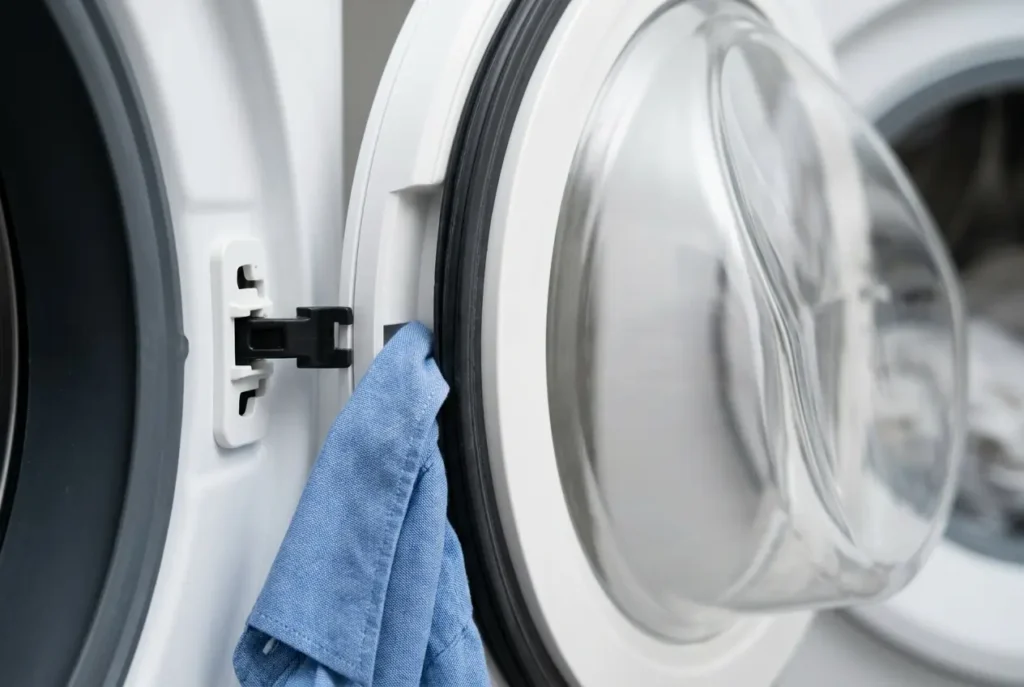
What this tends to look and sound like: a door that closes without a distinct click, a door that moves slightly when tugged, a washer that stays silent after Start even though the panel acknowledged it, or a cycle that begins and then stops. On some models a door-related indicator appears as well.
The quick check, which is not a fix, is to close the door firmly, listen for the latch, and look at the seal for trapped fabric. If the behavior changes when the door is pressed shut, that observation points toward latch alignment or contact wear rather than the board. Testing the switch or replacing the assembly is a repair task, and its steps depend on the model. A digital multimeter is useful for testing the switch. If you need a replacement, door lock assemblies are model-specific, so use your washer’s full model number to find the right one: Frigidaire washer door lock assembly (find yours by model number).
👉 Frigidaire Washer Door Lock Error: Test the Lock Assembly with 3 Easy Steps

- Versatile Digital Multimeter – Accurately measures AC/DC Current, AC/DC Voltage, Capacitance, Frequency, Duty Cycle, Res…
- Thoughtful Design – Support Data Hold, Large LCD Backlit Screen, Auto Shut-off and Kickstand make the process of measure…
- Suitable For Many Occasions – This Multimeter is a golden partner to help to troubleshoot a variety of automotive and ho…
Other Causes That Look Like a Lock Switch Problem
Not every won’t-start-with-the-door-closed case involves the door at all. These causes produce a similar picture:
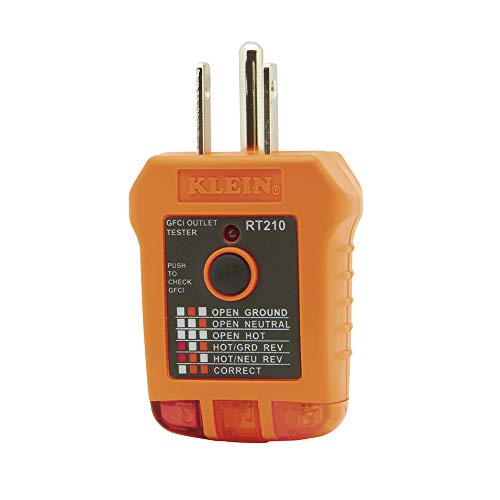
- Power supply: A loose plug, a tripped breaker, a tripped GFCI outlet, or a damaged cord can leave the washer with partial or no power. A dead panel points here first. A plug-in outlet tester can confirm the outlet is wired and working.
- Water supply: Some washers hold off or stop when filling does not proceed normally, and the result can be mistaken for a failure to start.
- Control board output: The board switches the lock circuit through relays or similar components. If that output fails, the lock never receives its command while the panel still lights up and beeps. This is a real possibility, but it is usually considered after simpler causes are ruled out.
- Wiring harness connections: Connectors can loosen over time on a machine that vibrates in normal use, interrupting signals to the lock or the panel. If a connector looks corroded, unplug the washer first and clean it with electrical contact cleaner, then let it dry completely before reconnecting. If you are not comfortable working near the wiring, call a technician.
- Model-specific codes: Some Frigidaire washers display a code when a fault is detected. Code meanings are model-specific, so the manual is the place to look them up.
- Power reset: Manuals for some models describe a reset procedure for a frozen control. The steps differ by model and are best taken from the manual rather than improvised.

Quick-Reference Table: Symptom, Likely Area, Quick Check
This table matches what a reader can observe with a quick check. It points toward a likely area and does not confirm a diagnosis.
| What you notice | Likely area | Quick check (not a fix) |
| No lights, no sound at all | Power supply or main control | Confirm the plug, outlet, and breaker; see whether another appliance works on the same outlet |
| Lights on, no button responds | Control lock or panel fault | Look for a lock icon; read the control lock entry in the manual |
| Other buttons respond, Start does not | Start button handling, delay setting, or worn button | Check whether the model expects a press-and-hold; confirm a cycle is selected; look for a delay indicator |
| Start acknowledged, no motion, no click | Door lock circuit, latch, connector, or board output | Close the door firmly and listen for a latch sound |
| Starts briefly, then stops or resets | Lock confirmation not reaching the board; door seating | Look for fabric in the seal; note any door-related message |
| Door closes without a latch sound | Latch hook, striker alignment, or hinge sag | See whether the door holds when lightly tugged |
| Works only when the door is pressed shut | Worn latch, hinge sag, or switch contact | Note whether pressing the door changes the behavior |
Misdiagnosed Symptoms and the Questions a Technician Asks First
Does the panel respond at all? A common first split in washer troubleshooting is to check whether the panel responds, because the answer divides power and board causes from door lock and control lock causes. A dead panel makes the door lock a poor first suspect. A responsive panel makes the control lock and door circuit worth checking before anything else.
A dead-looking panel is not automatically a dead board. A control lock, a power problem, or a loose connector can produce the same unresponsive panel. That is why these causes are normally ruled out before a control board is blamed, since the board is usually the larger repair.
Door closed does not always mean door sensed closed. The board relies on a switch signal rather than on how the door looks. A door that appears shut but sits slightly off its latch can leave the washer behaving as though it is open.
Questions that help narrow the cause:
- Is there a sound when the door closes, and another when Start is pressed?
- Did anything change shortly before the problem: a power cut, a move, cleaning, a child near the panel?
- Does the washer behave differently when the door is pressed shut?
- What do the model and serial label say? The label identifies the exact parts diagram and the manual that applies, and its location varies by model.
Repair or replace? The decision depends on the machine’s age, which part is suspected, and the current local price of that part compared with a new washer. A door lock assembly is typically a smaller job than a control board replacement, though costs vary by model and region, so check current prices before deciding.
FAQ
1. Why does my Frigidaire washer beep when I press Start but not begin a cycle?
On many models a beep suggests the panel received the press, so the button and panel are probably working. The stoppage is more likely further along: a door that is not fully latched, a delay or cycle setting, the door lock circuit, or a board output. Beep behavior varies by model, so the manual is the reference for what the sound means on yours.
2. How can I tell whether control lock is on?
Look for a lock icon or indicator on the panel and notice whether the buttons refuse input while the machine otherwise has power. The manual’s control lock section shows how the indicator looks and how to release the lock on that model.
3. Can the door be closed and the washer still think it is open?
Yes. The board depends on a switch signal, not on how the door looks. A misaligned latch, worn latch parts, a loose connector, or fabric trapped in the seal can keep that signal from registering.
4. Should a click be heard when the door closes?
Many washers latch with an audible sound, though the loudness and character vary by model. Compare it with how the machine sounded when it worked normally. A change in the sound, or no sound at all, is a useful clue, as is a second sound when the lock engages after Start on models that have one.
5. Why does the washer start for a few seconds and then stop?
A door-related cause is a leading suspect: the lock may not be confirming, or the door signal may drop once the cycle begins. Other conditions, such as a fill problem, can also halt a cycle early. Any message the display shows during the stop is worth noting and looking up in the manual.
6. Could a failed control board stop the washer from starting with the door closed?
It is possible. A board can fail to drive the lock or can stop processing the Start command. It is usually considered after simpler causes are ruled out, including control lock, settings, power, the door latch, and connectors. Confirming a board fault generally takes electrical testing rather than guesswork.
7. Is the problem the same on a top-load washer with a lid?
The logic is similar. A lid switch tells the board that the lid is closed, and wear, misalignment, or a faulty switch can produce the same won’t start symptom. The parts and their layout differ from a front-load door, so the model’s manual and parts diagram are the right references.
Conclusion
A washer that refuses to start rarely explains itself, but the pattern of what it does and does not do narrows the field quickly. A silent panel points toward power. A responsive panel that ignores buttons points toward control lock. An acknowledged Start followed by silence points toward the door latch, the lock switch, or the circuit behind them.
Before booking service or ordering a part, work through the table above, look up the control lock method and indicator meanings in your model’s manual, and note whether the latch makes a sound. If the symptom survives those checks, a repair guide written for your exact model is the next step. If you’re still stuck, note your model number and exactly what the washer does, and contact Frigidaire support or a licensed technician.