
According to Consumer Reports’ owner survey, 74% of respondents ranked reliability as their top priority when choosing a washer. Yet the published numbers on the most reliable washing machine brands do not agree on one winner. A brand can post a low service rate on top-loaders and a high one on front-loaders. Owner loyalty can run high for a brand whose front-loaders draw plenty of mold complaints.
Which Brands Make the Most Reliable Washing Machines? This ranking reads three public data sets side by side and orders seven brands by how well the figures support each one. Positions near the top rest on more than one signal. Positions near the bottom rest on one signal at most, and each brand’s section says so.
Table of Contents
How This Ranking Was Built, and What It Does Not Prove
Consumer Reports surveyed 95,510 of its subscribers about 108,608 new washing machines purchased between 2015 and 2025. It uses the findings in order to calculate the probability of failure or malfunctions of new appliances by certain brands in five years, as well as the recommendation rate among the owners. The results are reported separately for four categories: front-load, top-load agitator, HE top-load, and compacts. Reliability scores by brand are available only for members, and this article contains public data, purchase percentage, failure rate, and brand loyalty.
Yale Appliance is a Boston-based company that services the products it sells, releasing first-year service rates. Every one of those rates represents the ratio between the number of washers the service department has fixed and the number of such appliances Yale sold, in models with substantial sale amounts. The information provided is gathered from Massachusetts, Rhode Island, and southern New Hampshire. The 33,190 service calls made by Yale are for all types of appliances, not just washers. This information reflects the information from the page’s update from September 2026. Yale Appliance, Most Reliable Top-Load and Front-Load Washers for 2026
The producer of Speed Queen, Alliance Laundry Systems, releases a residential limited warranty (Part No. 205623EN, January 2024 version). It is the only manufacturer document in this comparison.
Four limits shape how to read what follows:
- Different clocks. Yale counts service in the first year, while Consumer Reports estimates problems over five years. The Yale figures say nothing about year two onward.
- Different places and people. Yale’s rates come from one retailer’s territory in the northeastern United States. Consumer Reports’ purchase shares describe its members’ purchases, not the national market.
- The concept of loyalty does not relate to breakage. The concept of loyalty refers to the likelihood of purchasing a particular brand.
- Numbers move. Yale revises its page, and earlier versions have shown slightly different figures for the same brands. Gaps of a few tenths of a point are better read as ties.
The order below is an editorial reading of these figures, not a measured score.
First-Year Service Rates at a Glance
The lower the number, the better for Yale. The top loader and front loader belong to two different types of machines; hence, you should compare the figures vertically.
| Brand or line | Top-load first-year service rate | Front-load first-year service rate |
| GE Profile | 3.4% | 10.5% |
| LG | 3.9% | 2.7% |
| Speed Queen | 4.6% | — |
| GE (standard line; Yale labels its front-loads GE Appliances) | 7.1% | 8.5% |
| Category average | 4.4% | 4.6% |
A dash means no figure is cited in this article. Yale says it dropped Whirlpool and Maytag on value grounds and gives no service rates for them. Miele and Bosch also have no first-year rate here, so their positions rest on other signals.

The Ranking: Seven Brands, One Format
| Rank | Brand | Strongest signal | Main caution | Evidence confidence |
| 1 | LG | Front-load rate of 2.7% and top-load rate of 3.9%, both under their category averages | Rates cover the first year in one region | Higher |
| 2 | Speed Queen | Strongest owner loyalty and a 3% front-load mold rate | Top-load rate of 4.6% sits slightly above the 4.4% average | Moderate |
| 3 | Miele | Second-strongest owner loyalty | No service or mold figure cited | Limited |
| 4 | Bosch | Third-strongest owner loyalty | No service or mold figure cited | Limited |
| 5 | GE | GE Profile top-load rate of 3.4% | Front-load rates of 8.5% and 10.5% | Moderate |
| 6 | Maytag | Loyalty among the five strongest | 19% front-load mold rate | Limited |
| 7 | Whirlpool | Popular among agitator models; 16% front-load mold | incidence rate: Not ranked for loyalty or service rate | Limited |
All brands listed after are followed by the same four headings: what the numbers say, the good, the bad, and who it’s for.
1. LG
Number crunching: At Yale, LG appears at 2.7% for front-loaders and 3.9% for top-loaders, versus category averages of 4.6% and 4.4%, respectively. In terms of Consumer Reports’ loyalty rankings, LG comes after Speed Queen, Miele, and Bosch. In terms of Consumer Reports purchase rates from the first three quarters of 2025, LG represented 60% of Consumer Reports members’ purchasing activity: 73% of front-loaders, 70% of HE top-loaders, 31% of agitators, and 29% of compacts.
Silver lining: It is the only brand in the comparison that benefits from the consistency of two pieces of data, and it falls below the category average in both machine types.
Caveats: Purchase shares apply to Consumer Reports members, not the market. Purchase share dominance means LG dominates Consumer Reports’ samples, and therefore its data are based on more owners than any competitor. Front-loaders are a category notorious for complaints about odor and mold issues, each making up 13%. Data reported here do not distinguish LG’s specific mold rating.
Good match: Front-load shoppers who want the strongest published first-year record, and HE top-load shoppers comparing like with like. One front-load model to look at is the LG WM4200HBA (5.0 cu. ft.).
Bonus: Models to Look At on Amazon
- These are washers currently listed on Amazon. This is not part of the ranking above, and availability says nothing about reliability. Always check the exact model’s reviews, warranty, and local service options before you buy.
LG (the best-supported record in the data above)
- LG WM4200HBA (5.0 cu. ft. front loader): a large-capacity front loader with TurboWash 360, steam, and an inverter direct drive motor. Retailer listings state a 10-year warranty on the direct drive motor; confirm the terms on LG’s page. [Amazon link]
- LG WM4000HBA (4.5 cu. ft. front load): a smaller option for households that don’t need the biggest drum. [Amazon link]
- LG WashTower WKGX201HBA (stacked washer and gas dryer): a space-saving pair. This version needs a gas hookup for the dryer. [Amazon link]
Front-loaders can develop odor if the door stays shut and the gasket isn’t wiped, so keep the door ajar after each wash and run a cleaning cycle regularly.
👉 LG Washing Machine Comparison 2026: Compare Top, Front & Combos


2. Speed Queen
What the numbers show: Consumer Reports lists Speed Queen first for brand loyalty. Only 3% of its front-loaders showed mold issues, and it made up 15% of agitator purchases among members. Yale’s top-load rate is 4.6%, against a 4.4% average.
Upside: The two clear signals are loyalty and mold results. The Alliance warranty sheet identifies the following tiers: 3, 5, 7, and 15 years and lifetime coverage up to 25 years, in certain cases for particular components like stainless steel tubs and some transmissions. The start date for coverage is at the time of purchase.
Downside: The top-load washing machine has a slightly above-average rate. A margin that thin means a tie anyway. The warranty varies depending on the model number, but the warranty sheet references the following families of models: TR3/DR3, TC5/DC5, and F3. No corresponding years are presented that allow for summation. Machines intended for use in multi-housing residences get only part coverage with no labor coverage.
Ideal match: Single-family residence that cares about loyalty information and mold results, and confirms the correct warranty tier for their chosen model.
3. Miele
Numbers speak: According to Consumer Reports, Miele is second in owner loyalty, coming just behind Speed Queen.
Bright side: Owners of this brand say they would buy it again at a higher rate than owners of nearly every other brand in the survey’s loyalty ordering.
Trade-off: There is one supporting factor that backs up the stance. Being loyal could be due to satisfaction with the features and services as well as not experiencing any malfunction. Hence, there is more uncertainty with third place compared to first and second.
Prospective consumers: People who consider owner satisfaction as very important and will look at reliability ratings of models prior to purchase.
4. Bosch
What the numbers show: Bosch is third in Consumer Reports’ loyalty ordering, after Speed Queen and Miele. No Yale rate or mold figure for Bosch is cited here.
Bright side: Its owner loyalty places it ahead of LG and Maytag in that ordering, even though LG’s service rates are better documented.
Trade-offs: Like Miele, it rests on a single signal, and the machine type for any specific Bosch model should be checked before comparing it with the tables above.
Who it suits: Buyers who treat loyalty as a useful tiebreaker and are willing to compare the specific model’s published reliability score on Consumer Reports.
👉 Bosch Washing Machine Ecosilence Drive Review: Is It Actually Silent? (2026)
5. GE
What the numbers show: Yale separates GE Profile from the standard GE line. GE Profile scores 3.4% on top-loaders and 10.5% on front-loaders. The standard line scores 7.1% on top-loaders, and Yale lists its front-loaders at 8.5% under GE Appliances. GE and Whirlpool each made up 16% of agitator purchases among Consumer Reports members.
Bright side: GE Profile’s top-load rate is the lowest top-load figure in Yale’s table.
Trade-offs: Both front-load rates sit well above the 4.6% average, and the standard top-load line is above the 4.4% average. The brand name alone says little. The line and the machine type decide the result.
Who it suits: Top-load shoppers focused on the Profile line. Front-load shoppers have stronger published numbers elsewhere in this ranking.
👉 GE vs. Maytag Washers 2026: Don’t Buy Until You Read This
6. Maytag
What the numbers show: Maytag appears among the five strongest brands for loyalty in Consumer Reports’ ordering. It also holds a 19% front-load mold rate, the second-highest among the brands Consumer Reports names, and made up 14% of agitator purchases. Yale gives no service rate for Maytag.
Bright side: Owner loyalty is high, which suggests many owners are satisfied enough to return.
Trade-offs: The mold rate is far above Speed Queen’s 3%, and no service rate exists to balance the picture.
Who it suits: Shoppers drawn to the loyalty record who are ready to research mold complaints for the specific front-load model before buying.
👉 Maytag MTW8305T: The New 30-Year Washer Everyone’s Talking About, Worth It?
7. Whirlpool
What the numbers show: Whirlpool made up 16% of agitator purchases among Consumer Reports members, tying GE. Its front-load mold rate is 16%, the lowest of the four brands Consumer Reports names with mold rates above Speed Queen’s. Yale says it dropped Whirlpool on value grounds and gives no service rate.
Positive aspect: It boasts the most favorable mold score of all four mentioned together, even though the rate is significantly higher than the 3% that was claimed for Speed Queen.
Drawbacks: Since no loyalty rating and service rate are provided, the ranking number seven is based on insufficient data.
For whom it’s meant: Buyers looking to buy a standard agitator and willing to check Consumer Reports’ ratings for each brand.
👉 Whirlpool Cabrio vs. Duet Washer: Know the 6 Proven Differences
Mold and Odor: The Complaint That Varies Most by Brand
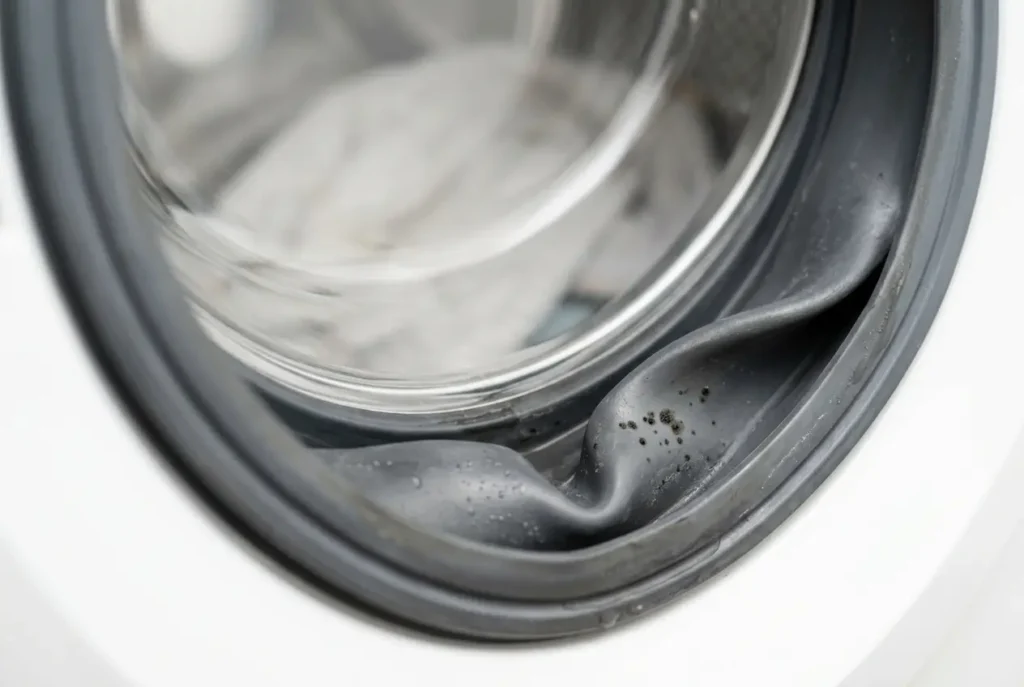
Odor and mold are among the most reported problems for front-loaders, at 13% each in the Consumer Reports survey. The spread between brands is wide:
| Brand (front-load) | Reported mold or mildew rate |
| Speed Queen | 3% |
| Whirlpool | 16% |
| Electrolux | 18% |
| Maytag | 19% |
| Kenmore | 21% |
A difference between 3% and 21% is far greater than most differences seen in the service rate table. The published figures do not explain whether it comes from machine design, household habits or both. Mold is also a nuisance problem rather than a breakdown, so it can leave a brand’s loyalty score untouched, as Maytag’s high loyalty alongside a 19% mold rate shows. A buyer comparing the most reliable washing machine brands should treat mold as a separate column from failures.
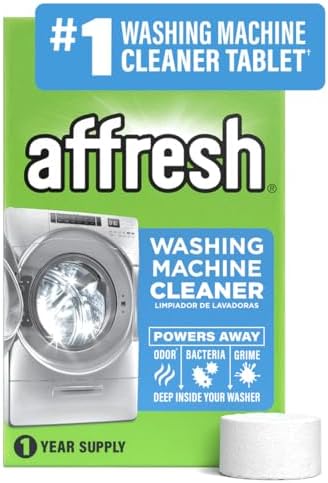
If you choose a front-loader, a few cheap habits help with odor: wipe the door gasket after use, leave the door ajar between loads, and run a cleaning cycle with washing machine cleaner tablets. A gasket brush makes it easier to reach the folds in the seal.

Top-Load vs Front-Load: Why One Brand Gets Two Scores
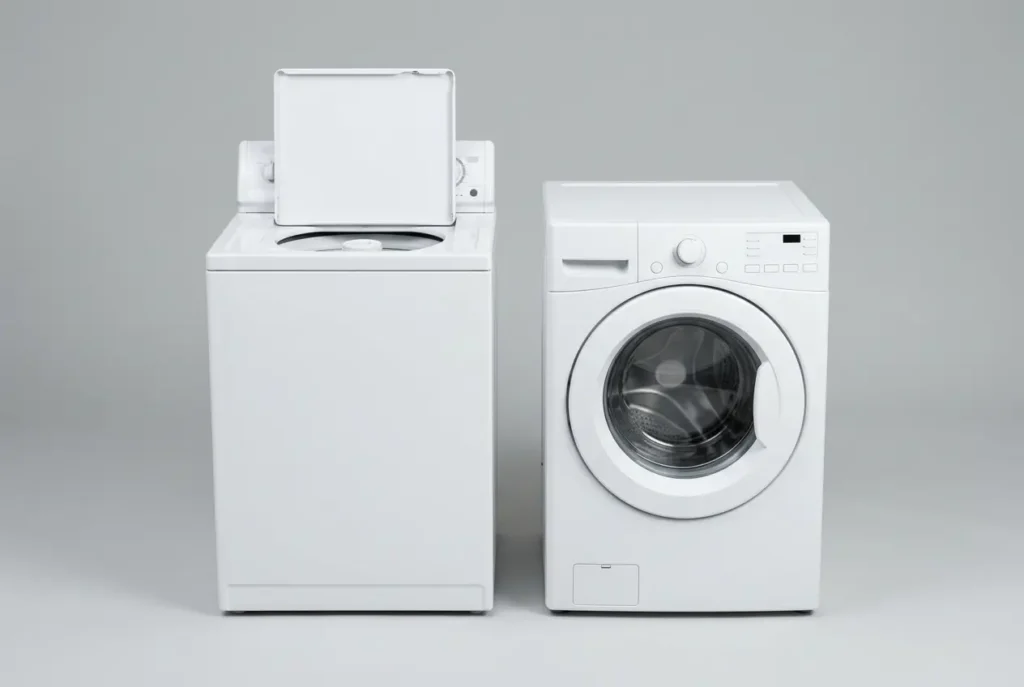
The Yale table displays an opposite trend for two products in terms of machine types. GE Profile is 3.4% in top-loaders and 10.5% in front-loaders. LG is 3.9% in top-loaders and 2.7% in front-loaders. The one-size-fits-all reliable brand definition fails to see it.
Purchase mix is yet another consideration. Purchases of front-loaders by members included 73% LG but just 31% for agitators, so that agitators include several brands like GE (16%), Whirlpool (16%), Speed Queen (15%) and Maytag (14%). Consumer Reports also classifies HE top-loaders and compacts as separate product classes.The practical sequence is to choose the machine type first, then compare brands within it. Comparing a brand’s front-load record with a rival’s top-load record is the most common way a ranking misleads.
What Owners Actually Report Going Wrong
Tangled clothes represented 10%, odor was 8% and mold or mildew accounted for 7% across all washers according to the consumer reports survey. Poor cleaning, drain failure and excess vibration were 5% each.
For the most part, this list does not represent breakdown but rather irritation. The only definite problem in this list is drainage failure while excessive vibration lies in between. A brand that has a high problem percentage may just have owners with complaints about tangling or odor rather than broken machines. Buyers checking noise and vibration can treat the 5% vibration figure as a reminder to read model-specific reviews, because the brand-level numbers do not separate loud machines from shaky installations. Leveling the machine and using anti-vibration pads can reduce vibration, especially on upper floors.
The first-year window also shapes what appears here. Yale’s rates catch early defects, while problems that appear in years two to five show up only in survey-based estimates such as Consumer Reports’. A machine that avoids service in its first year has cleared one hurdle, not all of them.
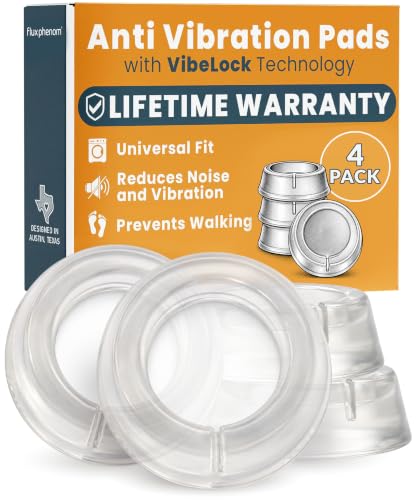
- ANTI-VIBRATION PADS TO KEEP WASHERS FROM MOVING: These anti-vibration pads help keep your washing machine or dryer from …
- SHOCK ABSORBING RUBBER WITH MECHANICAL DAMPING: Built with thick rubber shock absorber material designed for vibration i…
- FLOOR PROTECTION FOR WASHER & DRYER APPLIANCES: Each pad sits under the washing machine foot to protect tile, wood, lami…
Warranty, Service Availability and Overall Cost of Ownership
The sticker price is one side of the equation. The other side comes when a problem occurs and consists of warranty period, payment for labor and proximity of a technician. Consider current retail prices since they tend to change regularly along with the following three aspects.
There are different terms depending on the model of washing machine. In Alliance’s document, there are terms for Speed Queen that specify the time period based on the model number from the initial date of purchase and include labor for service performed through its authorized service providers; the proof of purchase is required and limited to residential single-family household usage. Commercial or multi-housing use machines have parts only coverage so it may be beneficial for an owner of the apartment building or someone who purchases washer for shared laundry purposes to look at these terms. The terms for other manufacturers are stated in the document of this manufacturer and terms from the specific model’s document apply.
It is as important to know whether there is access to service as having coverage. Yale highlights the lack of service access as the number one problem of Samsung. It is easier for customers not to ask about the access to service when such coverage exists on paper.
The cost of energy and water is listed on the label. ENERGY STAR and the energy label for the appliance give its energy figures, and these should be included in the cost analysis.

Which Brand Fits Which Household
These are typical scenarios, not claims about any one buyer’s results:
- A family choosing a front-load and wary of mold. Speed Queen’s 3% mold rate is the most distinctive figure in the data, and LG’s front-load service rate of 2.7% is the lowest listed.
- A shopper set on a top-load. GE Profile (3.4%), LG (3.9%) and Speed Queen (4.6%) are the three listed top-load rates at or near the 4.4% average. The standard GE line at 7.1% sits well above it.
- A landlord or multi-unit owner. It means that the labor cost is the responsibility of the owner when it comes to the parts-only rule on residential Speed Queen laundry machines used by multi-housing users. Look at the guarantee of all brands before purchasing shared laundry.
- A buyer in an area with few technicians. Confirm local authorized service first. Yale’s Samsung note is the reminder that service access can outweigh a good spec sheet.
- A buyer who relies on loyalty signals. Miele, Bosch and Maytag all rank high there, but a loyalty score is a tiebreaker. Check the model’s Consumer Reports page for the reliability score behind the membership wall.
Brands Left Out and Why
- Samsung: Samsung: Yale names service access as its main issue and no reliability figure is cited, so there was no evidence to place it in a reliability ranking. If you are still considering one, check who services Samsung in your area first. Two models currently listed on Amazon are the Samsung WF50BG8300AVUS (5.0 cu. ft. front load) and the Samsung WA55CG7100AVUS (5.5 cu. ft. top load).
- Electrolux: The sole number here is an 18% front-load mold rate, there are neither loyalty nor service rating.
- Haier: No usable reliability figure appears in the data reviewed.
- Frigidaire: Consumer Reports rates it as one of the worst brands in loyalty (along with Hotpoint and Amana), there are no service rate figures quoted.
- Kenmore: It is a retailer’s badge, thus, the manufacturer varies depending on model and the badge itself points out the manufacturer of each particular model – it has the highest front-load mold rate, which is 21%.

- 5.0 CU FT LARGE CAPAPCITY: Fewer loads, less time in the laundry room, and more time doing the things you love.
- SUPER SPEED WASH: Wash a full load in just 28 minutes¹ without sacrificing cleaning performance.
- ENERGY STAR EFFICIENT: Our washers are recognized by the EPA in delivering cutting edge energy efficiency along with the…
FAQ
1. Which brand has the best published reliability record overall?
LG has the best-supported record in the data cited here, with front-load and top-load rates below their category averages and strong owner loyalty. The result depends on machine type and region, so it is a lead rather than a verdict.
2. Does a brand’s top-load record apply to its front-loaders?
No. GE Profile is 3.4% in top-loaders and 10.5% in front-loaders, and LG runs the other way at 3.9% and 2.7%. Compare within one machine type.
3. Why are per-brand Consumer Reports scores missing here?
They sit behind the publication’s membership wall. Checking the page directly gives the scores this article could not reproduce.
4. How much weight should Yale’s first-year service rate get?
It is a useful early-defect signal from one retailer’s service territory. It does not cover later years and is not national data, so treat gaps of a few tenths of a point as ties.
5. Does high loyalty mean fewer breakdowns?
Not necessarily. Loyalty measures willingness to buy again. Maytag shows strong loyalty alongside a 19% front-load mold rate.
6. Is Speed Queen’s warranty the same on all models?
No. Alliance’s document ties the length to the model number, with tiers of 3, 5, 7 and 15 years plus lifetime-up-to-25-years coverage on specific parts. Residential machines in commercial or multi-housing use get parts-only coverage.
7. Should a buyer choose a brand or a model?
Both, in sequence. Pick the machine type, shortlist brands within it, then check the specific model’s reviews, warranty and local service availability.
Conclusion
LG is out in front; Speed Queen a very solid #2. Seven brands, one honest caveat: there is solid scientific data supporting a definite advantage to LG, a #2 slot clearly occupied by Speed Queen, and then some roominess among the rest of them. If you are interested in front load, begin with LG’s 2.7% first year service rate and Speed Queen’s 3% mold rate. If you like top load, take a look at GE Profile, LG and Speed Queen, with the usual GE line not far behind. Consider Miele, Bosch, Maytag and Whirlpool only if your model proves itself in a single test of its kind.
In case you have not made the purchase, go to Consumer Reports’ site for reliability ratings by brand, examine your warranty for your exact model, and inquire at your local store about who services their machines. Then add your household size and type of machine in the comments.