

Is a $2,000–$3,000 price tag a long-term win or just a shiny exterior?
Standing in an appliance aisle, every stainless steel fridge looks premium. But at that price range, you aren’t just buying a box; you’re buying the promise of fresh food and a decade of reliability. Before you swipe your card, you need to understand what’s actually happening mechanically inside a 2026 Maytag French door refrigerator, not just what the steel finish is telling you. Let’s dive into the machine’s mechanical heart, feature by feature.
Table of Contents
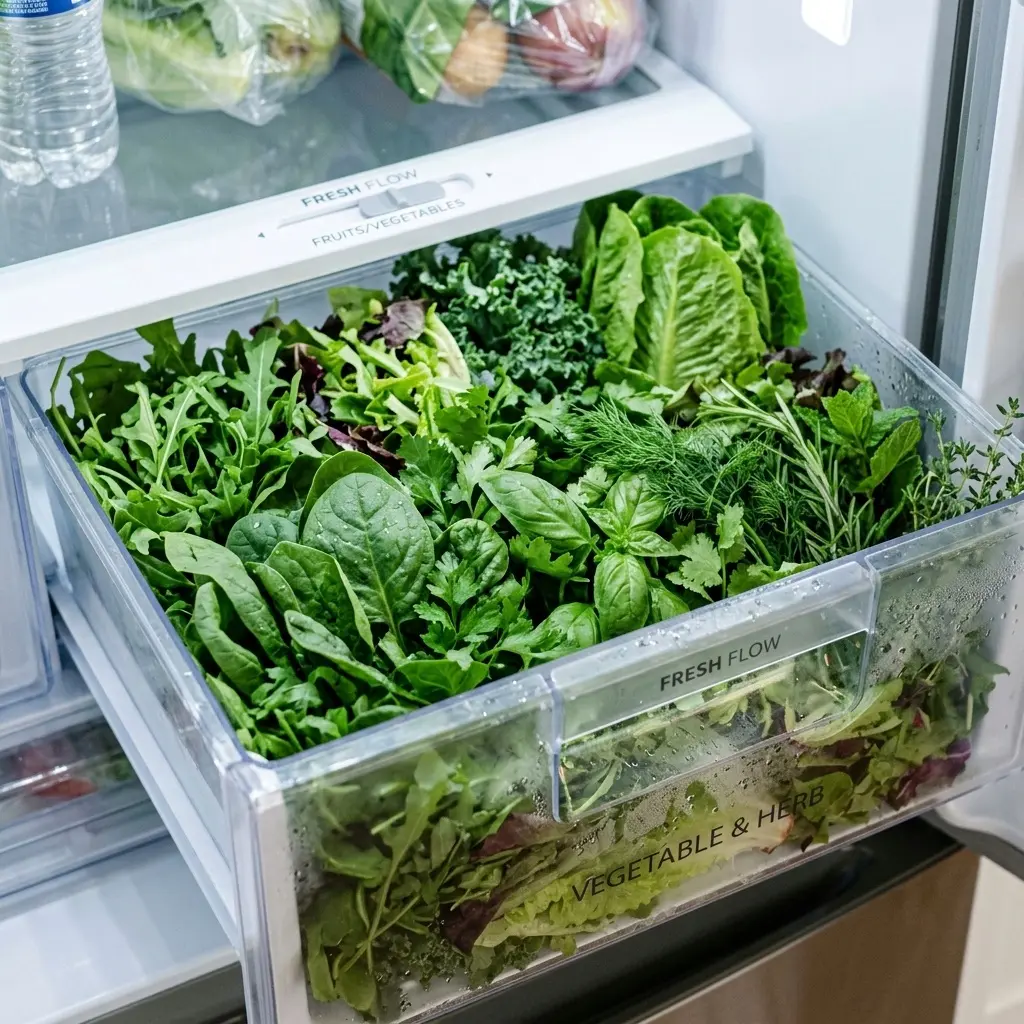
Dual Cool Technology: Why Your Spinach Stays Green
Most entry-level fridges use a shared air system; the fridge borrows freezing, bone-dry air from the freezer to cool your milk. The result: vegetables lose moisture and turn into yellow paper within days. It’s a thermodynamic shortcut that quietly kills your groceries.
Maytag’s Dual Cool system creates two completely independent cooling environments. The fridge stays humid, which is what actually preserves produce, while the freezer stays sub-zero and dry, which prevents freezer burn on meat and frozen goods. Because the air never mixes, ice cubes also stop picking up odors from whatever’s sitting on the middle shelf, a small detail, but it’s the kind of thing that generic single-loop refrigeration genuinely can’t solve regardless of how good the compressor is.
👉 [Maytag Side-by-Side 2026 Audit]
The insider detail most spec sheets skip: dual-loop systems like this one run two evaporators rather than one, which is why dual-cool refrigerators of similar external size sometimes draw slightly more standby energy than single-loop models, a trade-off most buyers never hear about until they’re comparing utility bills months after purchase, not at the point of sale.
Where this genuinely earns its keep is with produce that spoils fastest under bad airflow, leafy greens, herbs, and berries. In a shared-air system, these are usually the first casualties within days of a grocery trip. Owners who’ve switched from a single-loop fridge to a Dual Cool model consistently report the biggest noticeable improvement here specifically, rather than in meat or dairy storage, where the difference is real but far less dramatic since those items are less sensitive to humidity swings in the first place.
Beyond Plastic: Signature Metal Shelving
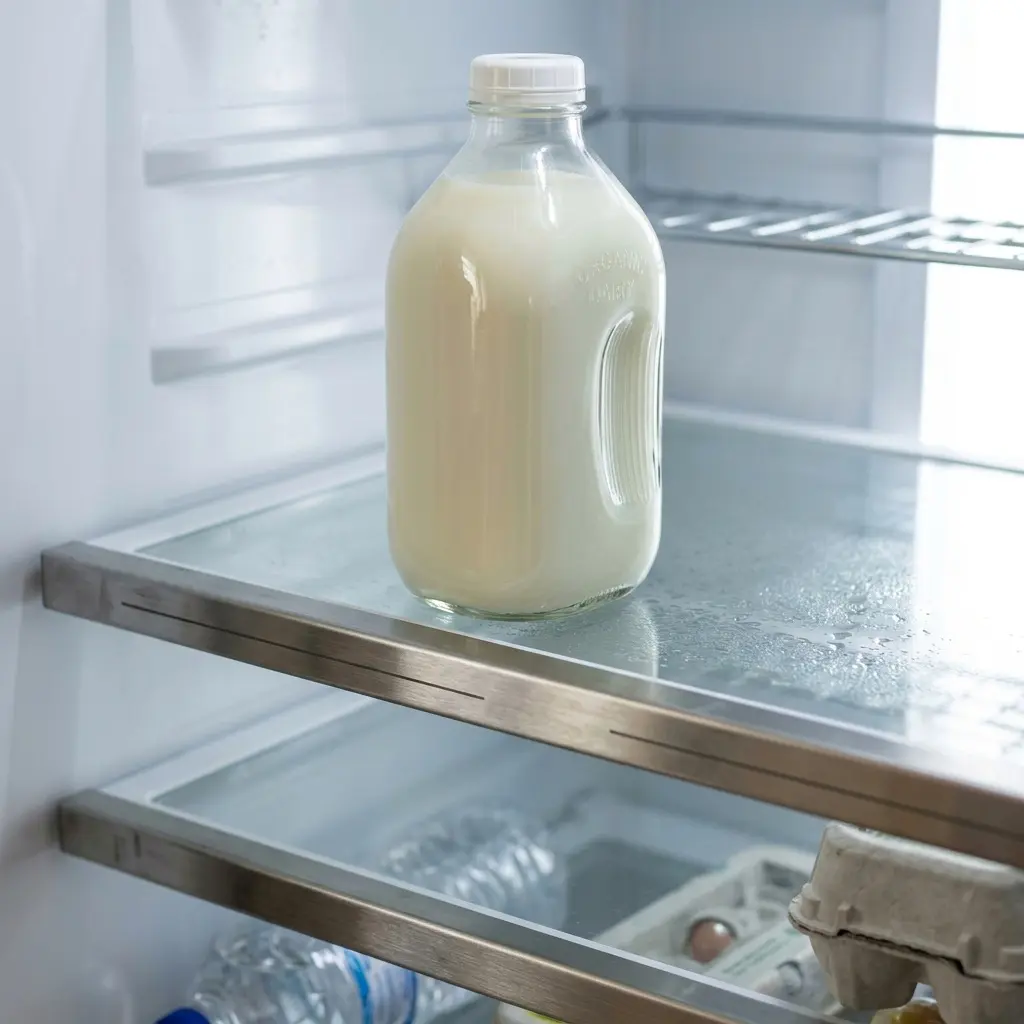
The first thing that fails in a cheap fridge isn’t the motor; it’s the plastic shelf tracks. They crack under the weight of a heavy glass milk jug or a holiday turkey. Maytag addresses this with signature metal trim on their glass shelves, generally rated to support well over 40-50 lbs without bowing or snapping.
Combined with fingerprint-resistant stainless steel, this construction is built to withstand daily use in a busy kitchen. Smudges wipe off with a damp cloth, which matters more over years of ownership than it seems to in a showroom, since fingerprint-prone steel finishes are one of the more common low-level buyer regrets reported after the first few months of real use.
A question a knowledgeable salesperson should ask before you buy based on shelving alone: How often do you actually store heavy, awkward items, like a full stockpot, watermelon, or party trays, versus everyday groceries? Metal-trim shelving matters far more for the former than the latter, and it’s easy to overvalue this feature if your typical grocery load is fairly light.
The PowerCold Feature: Recovering From the Grocery Run
Every time you load a large grocery haul, the internal temperature of the fridge spikes. This temperature shock is a common reason milk and dairy spoil earlier than their printed date. The PowerCold button tells the compressor to enter a temporary boost mode, pulling the temperature back down toward the target range faster than the compressor would on its own standard cycle.
This feature genuinely does what it claims, but it’s also one of the more overrated features in casual conversation; most households use it a handful of times a month at most, right after a big shopping trip, rather than as a daily tool. It’s useful when you need it and invisible the rest of the time, which is a fair trade for a one-button feature but worth knowing before you weigh it heavily in a purchase decision.
Installation Protocol: The Tipping Hazard
At over 300 lbs, a Maytag French door refrigerator is a genuinely heavy, top-heavy appliance. When both top doors are open, and a packed freezer drawer is pulled out simultaneously, the center of gravity shifts more than most buyers expect. This is why professional installation with proper anchoring isn’t optional; it’s a real safety consideration, not upsell language from an installer.
⚠️ Expert Safety Tip: Ensure your installer uses anti-tip brackets to secure the unit to the wall or floor. This prevents the unit from tipping forward if a child leans on an open freezer drawer. Also, never use an extension cord; this fridge draws enough current on startup that it requires a dedicated, grounded outlet rather than a shared circuit.
EveryDrop Water Filtration: What It Actually Removes
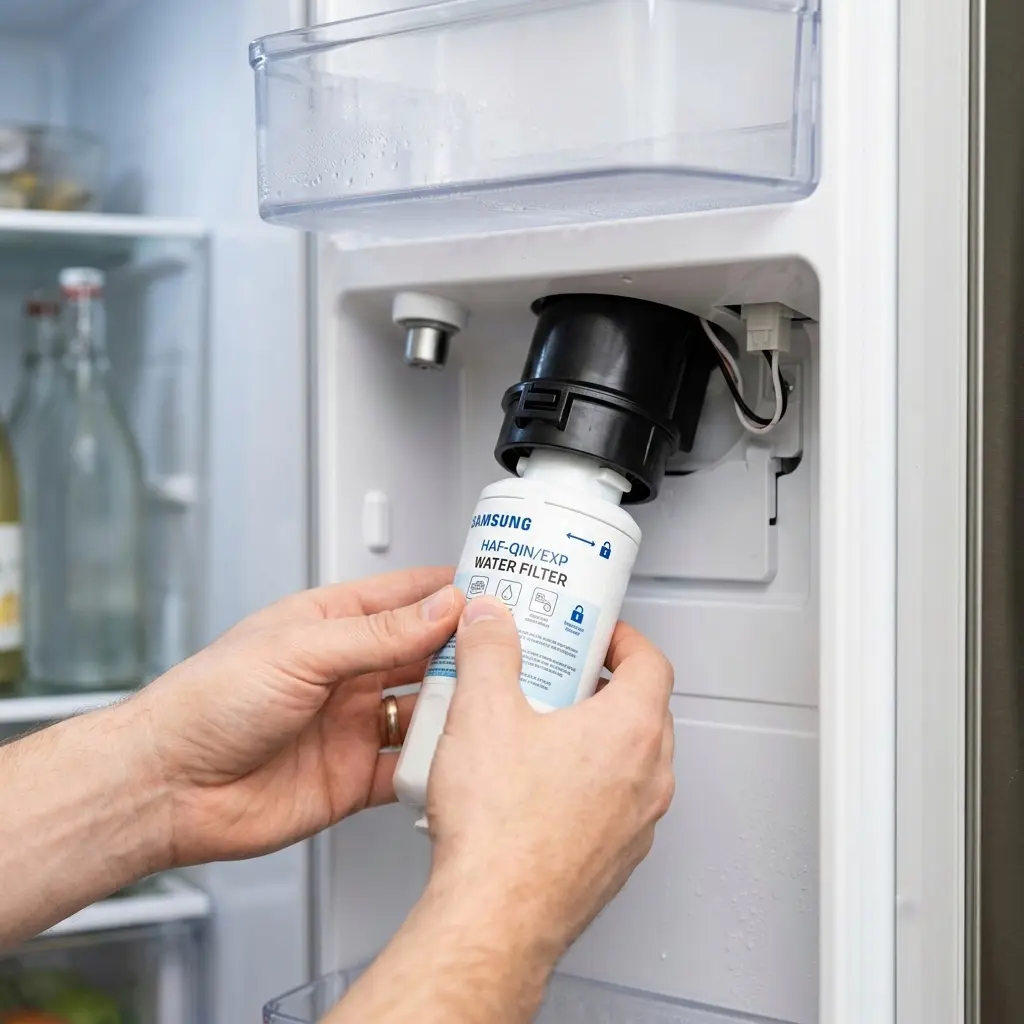
Maytag’s French door lineup uses the EveryDrop filtration system for both the water dispenser and ice maker supply, and this is one of the more misunderstood features on the spec sheet. A water filter on a refrigerator isn’t a general-purpose purifier; it’s certified to reduce specific contaminants (commonly chlorine taste and odor, along with select substances depending on the exact filter model), not to replace a whole-home filtration or purification system.
| Filter Consideration | What Most Buyers Assume | What’s Actually True |
| Replacement frequency | “Whenever it seems slow.” | Roughly every 6 months under normal use, regardless of flow rate |
| What it filters | “Everything harmful” | Specific certified contaminants only; check the exact filter’s certification |
| Cost over ownership | A one-time feature | A recurring cost every 6 months for the life of the fridge |
| Impact on ice/water taste | Marketing exaggeration | Genuinely noticeable difference in areas with heavily chlorinated tap water |
The hidden long-term cost worth budgeting for: replacement filters are a recurring expense for as long as you own the fridge, and skipping replacements doesn’t just reduce filtration effectiveness; it can also reduce water and ice flow rate over time as the filter clogs, which is often misdiagnosed as a dispenser mechanical problem rather than an overdue filter.
Ice Maker Technology: Single vs Dual Systems
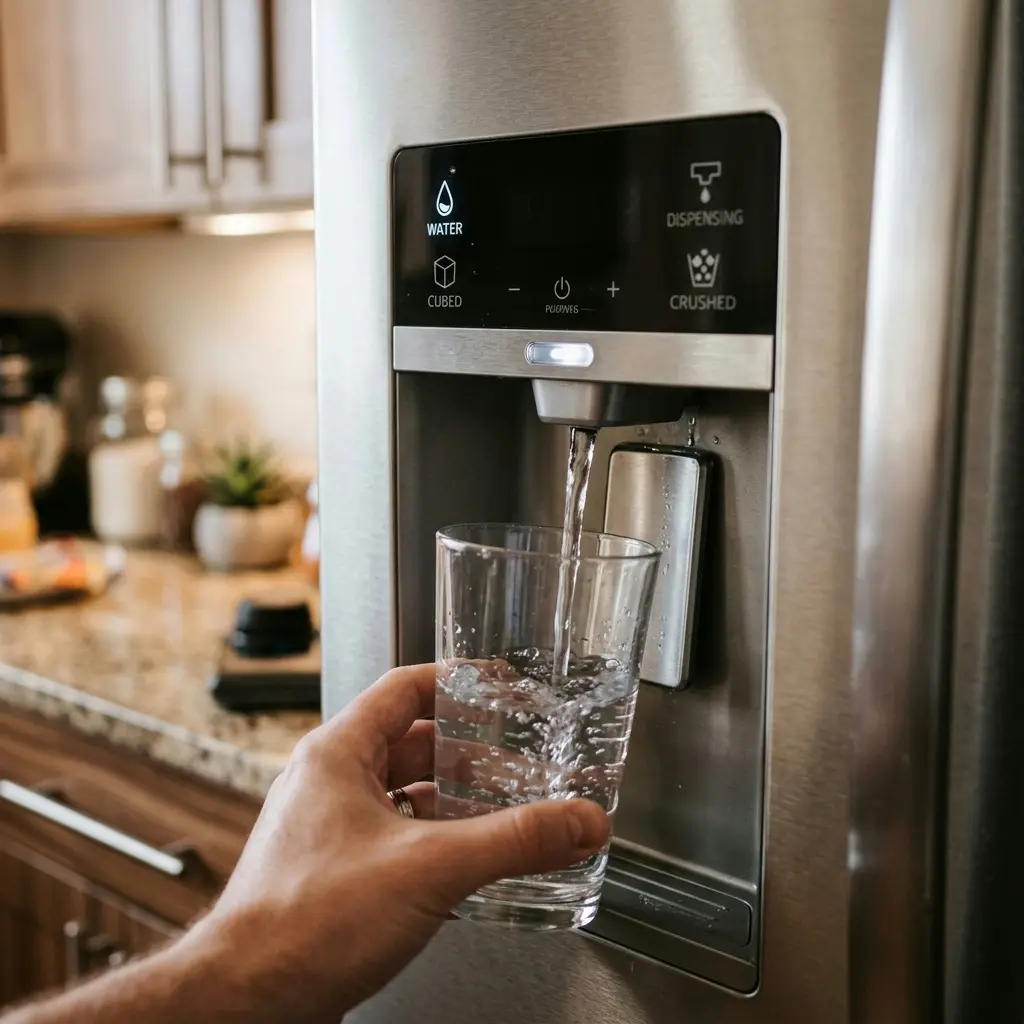
Depending on configuration, Maytag’s French door lineup is offered with either a single in-door ice maker or a dual ice maker setup (one in the door, one in the freezer compartment) on select higher-capacity models. The dual configuration exists specifically to increase total ice production and storage without sacrificing freezer shelf space to a single oversized bin.
Every French door refrigerator faces the same underlying engineering challenge here: placing an ice maker that needs to run near 0°F inside a door that sits closer to the surrounding kitchen temperature than the freezer compartment does. This is simply a structural trade-off of the French-door-with-door-ice-maker design, not a defect specific to Maytag, and it’s worth understanding as a design characteristic of the category before assuming a specific unit is underperforming.
A spec number that looks similar across brands but performs differently in practice: advertised daily ice production (lbs/24 hrs). This number is measured under ideal lab conditions, stable ambient temperature, minimal door openings, and real-world production in an active kitchen is reliably lower, sometimes significantly, especially in the first several hours after a large ice draw empties the bin.
Humidity-Controlled Storage: Crispers and Door Bins
Working alongside Dual Cool technology, the crisper drawers on Maytag’s French door models are humidity-controlled, meaning the airflow into each drawer can be adjusted independently: higher humidity for leafy greens and herbs and lower humidity for fruits that release ethylene gas and spoil faster in a moist environment.
Door bin design is the other underappreciated storage feature here: Gallon-sized door storage means large milk and juice containers don’t have to compete for shelf space, which sounds minor until you’re actually organizing a full grocery haul and realize how much shelf space a properly designed door bin frees up for everything else.
This matters differently depending on household size and shopping habits. A single person or couple doing smaller, more frequent grocery trips will rarely stress-test the humidity zones or door bin capacity; everyday use stays well within what the fridge is designed to handle.
A larger family doing a single large weekly shop, on the other hand, is exactly the use case these features are engineered around: multiple humidity zones prevent one shared crisper from being overloaded with mismatched produce, and deep door bins absorb the bulk of dairy and beverage purchases that would otherwise crowd out shelf space needed for prepared meals and leftovers. If your grocery pattern looks like the latter, these storage details are worth weighing more heavily than they might initially seem on a spec sheet.
Compressor Design and Real-World Noise Levels
Modern Maytag French door refrigerators generally use variable-speed compressor technology rather than the older single-speed compressors that cycle fully on and off. A variable-speed compressor runs at a lower, steadier output most of the time, which reduces both energy consumption and the audible on/off cycling noise older refrigerator designs were known for.
| Compressor Type | Cycling Behavior | Typical Noise Experience |
| Older single-speed | Full on/off cycling | Noticeable start-up hum and shutoff clunk |
| Modern variable-speed | Continuous, lower-output running | Quieter, steadier background hum |
In real-world terms, most owners report the compressor itself is genuinely quiet during normal operation, and where noise complaints do come up, it’s more often tied to dust and pet hair buildup on the condenser coils restricting airflow and forcing the fan and compressor to work harder, a maintenance issue, not a design flaw in the compressor technology itself.
There’s a second, quieter noise source worth knowing about that has nothing to do with the compressor: the evaporator fan inside the dual-cool system. Because this design runs an independent fan for the freezer’s dry-air loop, some owners notice a faint whirring sound distinct from the compressor’s hum, particularly right after the door has been opened and the system is working to restabilize temperature. This is normal operating behavior for the dual-loop design rather than a symptom of anything failing, though it’s rarely mentioned in product literature since it only becomes noticeable once you know to listen for it.
Frequently Asked Questions
1. How does Dual Cool actually keep produce fresher longer than a standard fridge?
By running two independent cooling loops instead of one shared system, the fridge compartment can stay humid, which produce needs to avoid drying out, while the freezer stays cold and dry, which standard single-loop fridges can’t do simultaneously without one compartment compromising the other.
2. Does the metal shelving trim reduce the fridge’s actual storage capacity?
No, the metal trim reinforces the glass shelf edges rather than replacing shelf surface area, so it adds load-bearing strength without meaningfully reducing usable storage space.
3. How quickly does PowerCold actually bring the temperature back down after loading groceries?
It varies by how much the temperature spiked and the size of the grocery load, but the boost mode is designed to accelerate recovery noticeably faster than the compressor’s standard cycle would on its own. Exact timing isn’t something Maytag publishes as a fixed number, so treat any specific minute claim with some skepticism.
4. Why does a French door refrigerator specifically need anti-tip bracket installation?
Because opening both top doors and pulling out a loaded freezer drawer at the same time shifts the unit’s center of gravity more than a standard single-door or side-by-side fridge, professional anchoring is a genuine safety measure rather than an optional upsell.
5. How often does the EveryDrop water filter actually need to be replaced?
Roughly every 6 months under normal household use, regardless of whether the flow rate feels noticeably slower; waiting until performance drops means you’ve likely already been drinking filtered water past its certified effectiveness window for some time.
6. What’s the real advantage of a dual ice maker setup over a single ice maker?
A dual setup increases total ice production and storage capacity without requiring an oversized single bin that eats into freezer shelf space; it’s mainly a benefit for larger households or frequent entertaining rather than a meaningful upgrade for smaller day-to-day use.
7. Are modern variable-speed compressors actually quieter, or is that mostly marketing?
It’s a genuine, measurable difference: variable-speed compressors run at lower continuous output instead of cycling fully on and off, which reduces the noticeable start-up and shutoff noise older single-speed compressor designs were known for.
The Bottom Line
The 2026 Maytag French door refrigerator is a premium workhorse built around genuinely functional engineering rather than gadget-driven marketing. It’s not positioned as a tablet-embedded smart fridge competitor; it’s built around better shelving, smarter dual-zone cooling logic, and a filtration and ice system that, once understood, are straightforward to maintain rather than mysterious. If you prioritize food freshness and shelf durability over flashy connected features, this lineup remains a safe, well-reasoned investment in the $2,000–$3,000 price bracket; just budget for the recurring filter replacements and confirm current model-specific pricing and configuration at your retailer before buying.