
Table of Contents
Introduction: Best Washing Machine Cleaners in 2026
You pull fresh laundry out of the washing machine and take a sniff, and it smells like a wet dog. Or worse, like something rotting. But you just washed it. What’s going on?
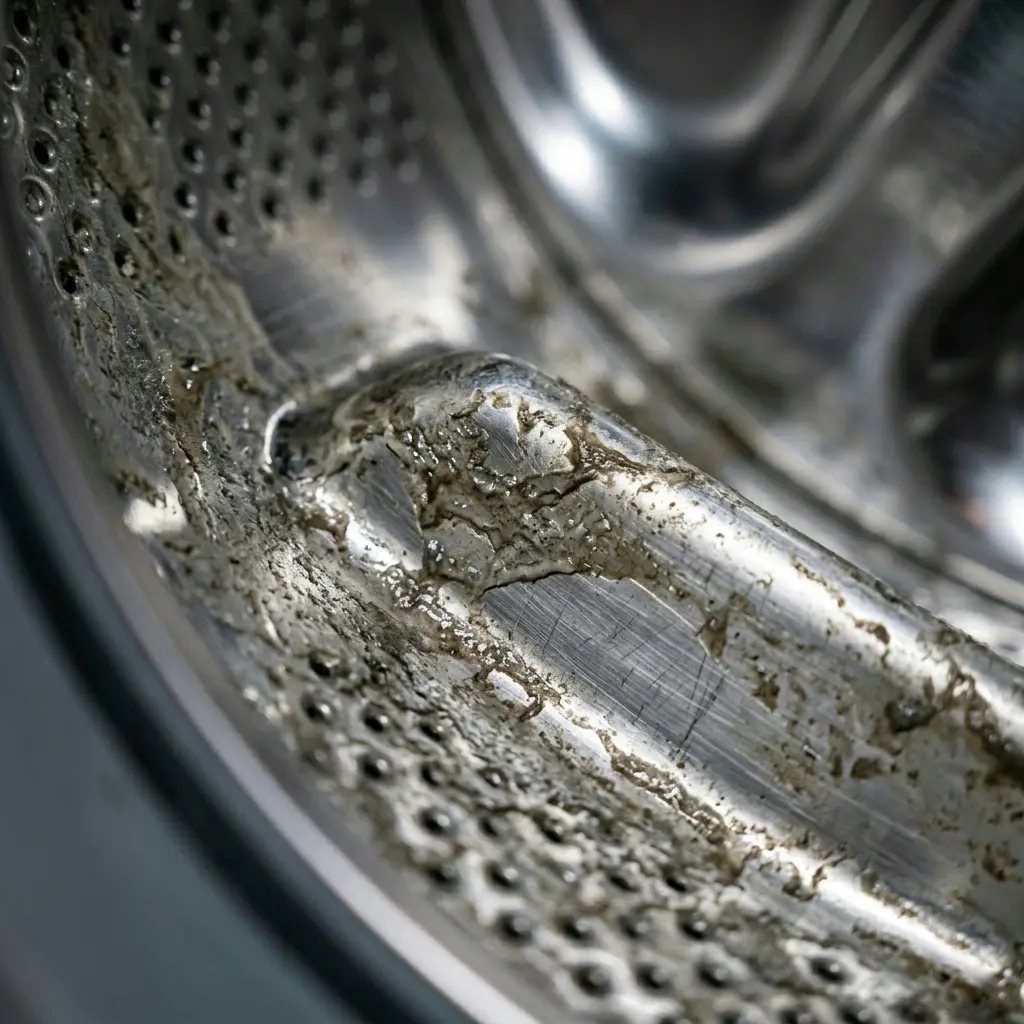
Here’s the thing most people don’t know: a washing machine doesn’t clean itself. In fact, high-efficiency (HE) machines, the ones that save water and energy, are actually the worst offenders when it comes to smell. Because they use so little water per cycle, they leave behind a thin film of soap residue, body oils, and fabric softener in places you can’t see or reach.
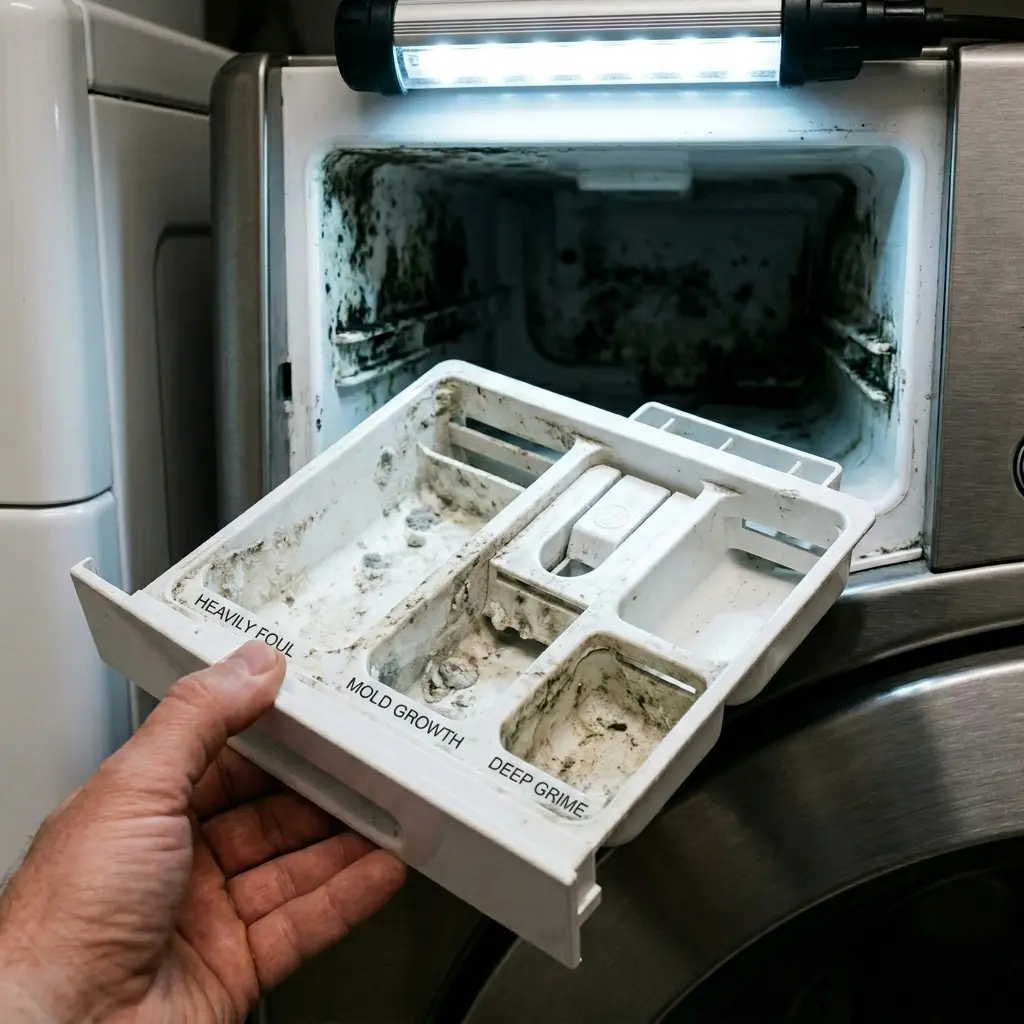
That leftover gunk is called scrud. And scrud is basically a buffet for mold and bacteria. Over time, it builds up inside the drum, behind the rubber door seal, in the soap drawer, and in the drain pump filter. Those bacteria produce gases, and that’s the smell hitting you when you open the door.
The good news is this is completely fixable. This guide covers the best washing machine cleaners available in 2026, the pro tricks that actually work when standard cleaners don’t, a cleaning schedule you can realistically stick to, and region-specific advice based on where you live. Let’s sort this out.
👉 [Read More: LG Washing Machine Lifespan and Maintenance Guide 2026]
The Best Washing Machine Cleaners of 2026, Quick Comparison Table
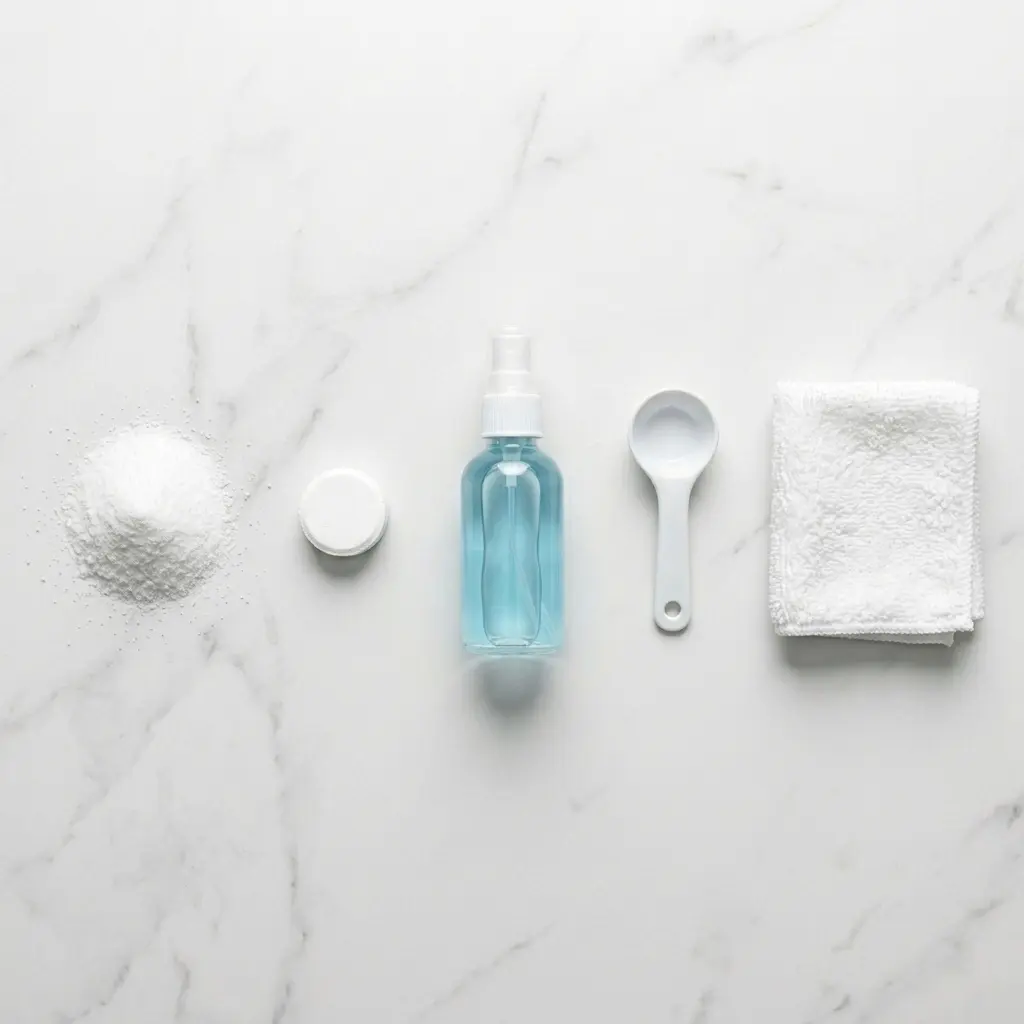
Here are the top cleaners in 2026 based on real-world performance, broad availability, and what they’re each best at.
| Best For | Product | Works On | Why It’s Worth It |
| Best Overall | Affresh Washing Machine Cleaners Tablets | All HE front and top-loaders | The slow-dissolving tablet cleans throughout the full cycle, not just at the start. Recommended by Whirlpool and Maytag. |
| Deep Cleaning | OxiClean Washing Machine Cleaners with Odor Blasters | Front-loaders with heavy buildup | Oxygen-activated foam reaches hidden areas behind the drum. Ideal if the machine hasn’t been cleaned in months. |
| Sensitive Skin & Kids | Eco-Gals Eco Swirlz Natural Washing Machine Cleaners | All machine types | No harsh perfumes or chemicals. Fragrance-free and safe for households with allergies or young children. |
| Door Seals & Drawers | Bayes High-Performance Washing machine Cleaners Spray | Rubber gaskets, soap drawers | Tablets can’t reach the door seal. This spray targets the rubber folds and soap tray where mold hides most. |
| Natural / No Chemical | Food-Grade Citric Acid Powder | All machine types | Safer than vinegar, it doesn’t degrade rubber seals. Dissolves limescale and kills odor-causing bacteria naturally. |
| Hard Water Areas | Calgon Water Softener Tablets | European and hard water markets | Prevents limescale buildup on the heating element, the leading cause of HE washer failure in hard water regions. |
Washing Machine Cleaners Reviews: What Each One Actually Does
Affresh Washing Machine Cleaners Tablets, Best Overall
Affresh is the washing machine cleaners that Whirlpool, Maytag, and a number of other major brands recommend by name in their official manuals. That alone says something. Most cleaning tablets dissolve quickly and drain away before they’ve had a chance to work properly. Affresh tablets are designed to dissolve slowly throughout the entire cycle, so the active ingredients are still working during the rinse and final spin, not just the first fill.
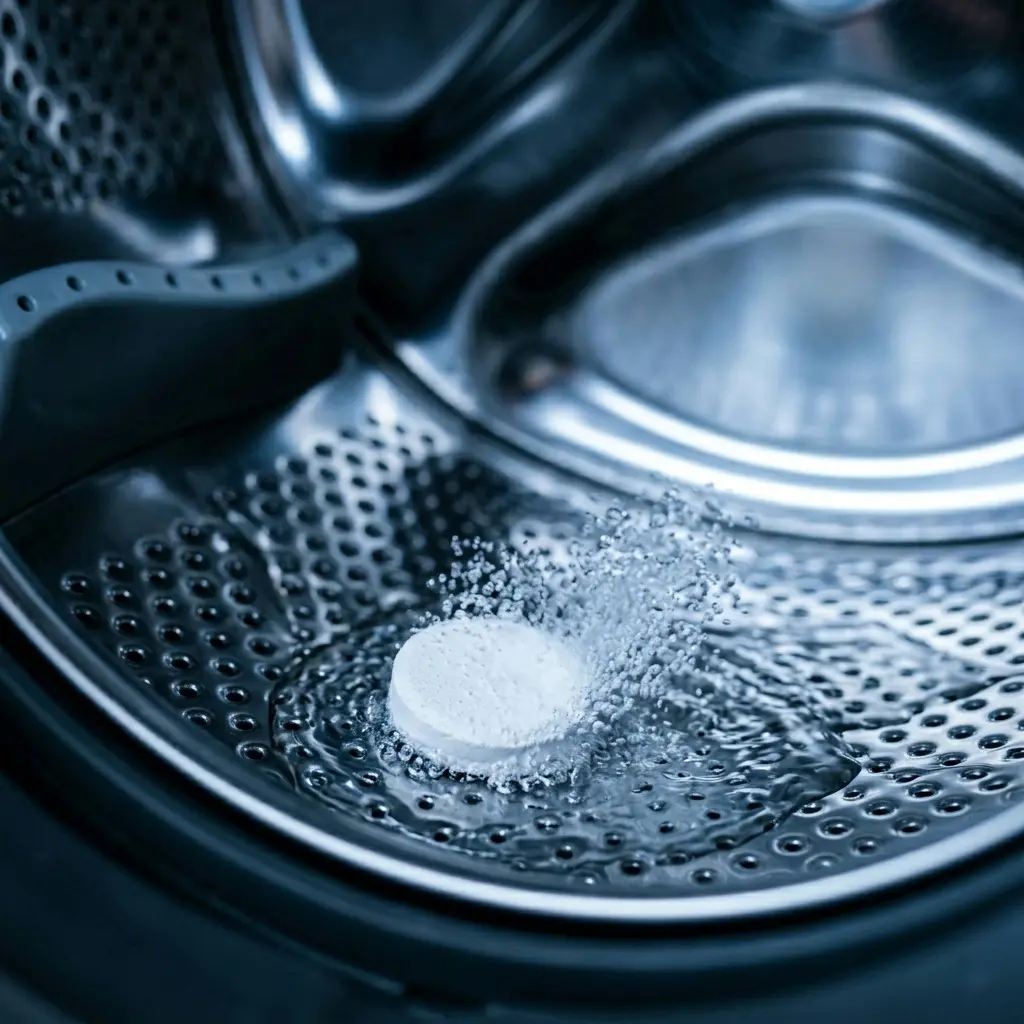
Drop one tablet directly into the empty drum, not the soap drawer, and run the hottest cycle available or the dedicated tub clean cycle if your machine has one. For a machine that hasn’t been cleaned in a few months, run two cycles back to back for a proper reset.
💡 Tip: Affresh works best on a monthly schedule. If you use it consistently, you’ll rarely need anything stronger. The first clean might take two cycles if there’s significant buildup.
OxiClean Washing Machine Cleaner with Odor Blasters, Best for Heavy Buildup
If your machine hasn’t been cleaned in several months, or ever, OxiClean is the one to reach for first. The oxygen-activated formula creates foam that expands and pushes into the hidden gaps behind the drum, around the spider arm, and inside the drum baffles where tablets can’t always reach.
It’s more aggressive than Affresh and does a better job of breaking down the thick layers of scrud that have had months to harden. After one or two OxiClean cycles, switch to Affresh monthly to maintain the clean.
Eco-Gals Eco Swirlz: Best for Sensitive Households
If you have young children, allergies, or skin sensitivities, the last thing you want is a heavily fragranced chemical cleaner affecting the residue left in the drum. Eco-Gals is free from synthetic fragrances and harsh chemicals, and the smaller tablet format means it dissolves more evenly around the drum than some competitors.
It won’t tackle extreme buildup as aggressively as OxiClean, but for regular monthly maintenance in a household with sensitive skin, it’s genuinely the right choice.
Bayes High-Performance Washing machine Cleaner Spray, Best for Door Seals and Drawers
Tablets are great for the drum interior. But they can’t clean the rubber gasket folds around the door, the soap drawer, or the outside of the drum casing. That’s exactly where Bayes spray comes in. Spray it directly onto the gasket, leave it for a minute, then wipe with a cloth. It cuts through the black mold that builds up in the gasket folds faster than any DIY solution.
Use the spray as part of your monthly clean alongside a drum tablet. One does the inside, the other handles the surfaces.
Food-Grade Citric Acid Powder, Best Natural Option
If you want to avoid commercial cleaners entirely, citric acid powder is the most effective natural alternative available. It dissolves limescale, kills odor-causing bacteria, and, unlike white vinegar, is safe to use regularly without degrading rubber seals or hoses. Two tablespoons dissolved directly in the empty drum on a hot cycle does a genuine job.
Many repair technicians recommend citric acid over vinegar specifically because vinegar’s acetic acid can soften rubber components over time. Citric acid provides the same descaling and bacteria-killing effect without that risk.
The Dishwasher Powder Trick: The Hack Repair Experts Use
Sometimes a standard washing machine cleaner just can’t shift a really bad smell. You’ve run the tub clean cycle and used a good tablet, and the odor is still there. This is when an old trick used by appliance repair technicians comes in useful.
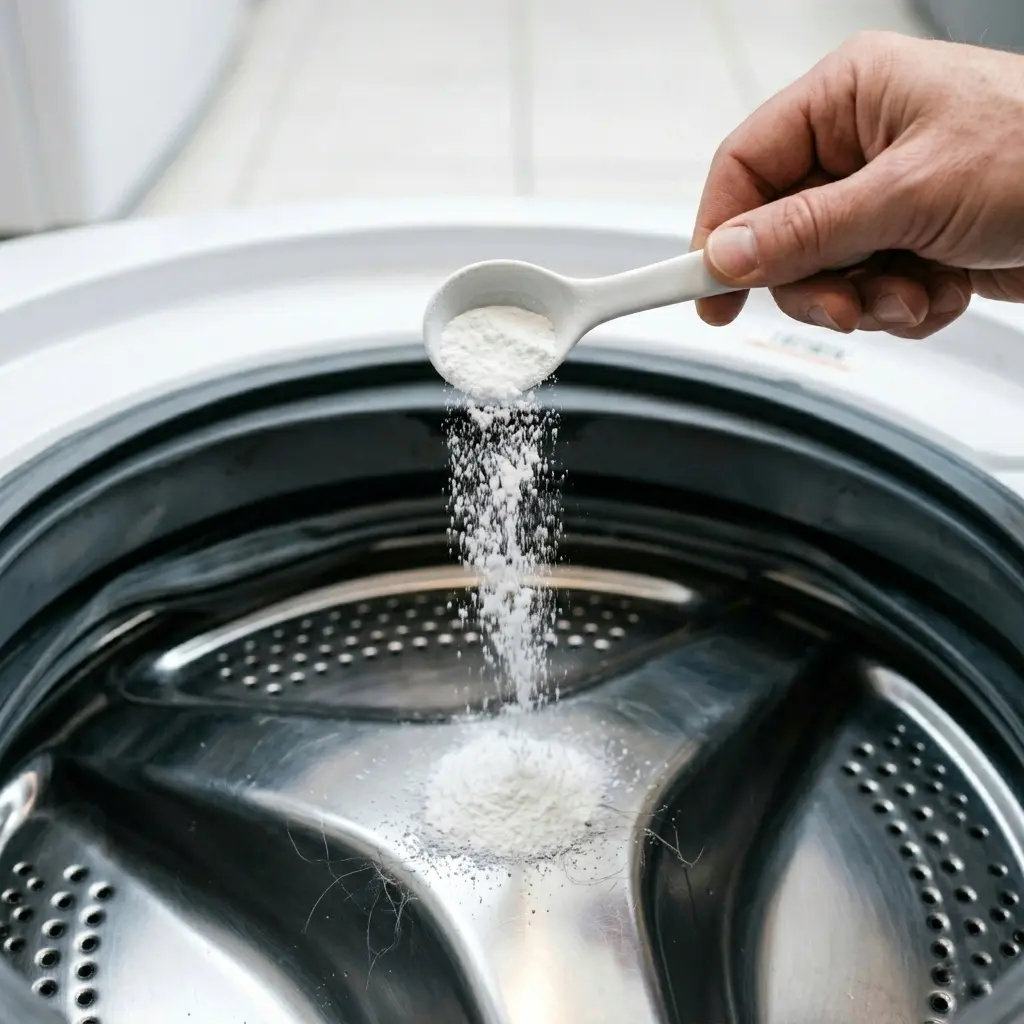
Put two tablespoons of powdered dishwasher detergent, the kind you use in a dishwasher, not liquid, directly into the empty drum. Run the machine on its hottest cycle or the Tub Clean setting.
Why Does This Work?
Dishwasher detergent is formulated to cut through grease and fat, specifically cooking fats and food oils. The scrud inside your washing machine is actually made of very similar stuff: body oils from skin and hair and the fatty compounds in liquid fabric softener. Standard laundry detergent isn’t designed to break these down. Dishwasher powder is.
The enzymes in dishwasher powder attack the fatty layer that mold and bacteria live in, lifting it off the drum walls and flushing it out in a way that laundry tablets sometimes can’t.
⚠️ Important: Only use this trick with an empty machine. Never add dishwasher powder to a load of laundry; it’s formulated for very different water conditions and will damage fabrics and irritate skin. This is a drum-cleaning technique only.
🔧 Expert Hack: Use this trick as a one-time deep reset for a very smelly machine, then switch to monthly Affresh or citric acid maintenance to keep it clean going forward.
The Drain Filter: What’s Really Hiding in There
Here’s something most owners don’t know exists: there’s a small filter at the bottom front of most front-load washing machines that catches debris before it reaches the pump. It’s designed to stop coins, buttons, and lint from jamming or breaking the drain motor.
The problem is that nobody ever cleans it. It’s out of sight, behind a small access panel at the bottom of the machine, and most owners don’t even know it’s there until the machine starts draining slowly or makes an unusual noise.
What People Find in There
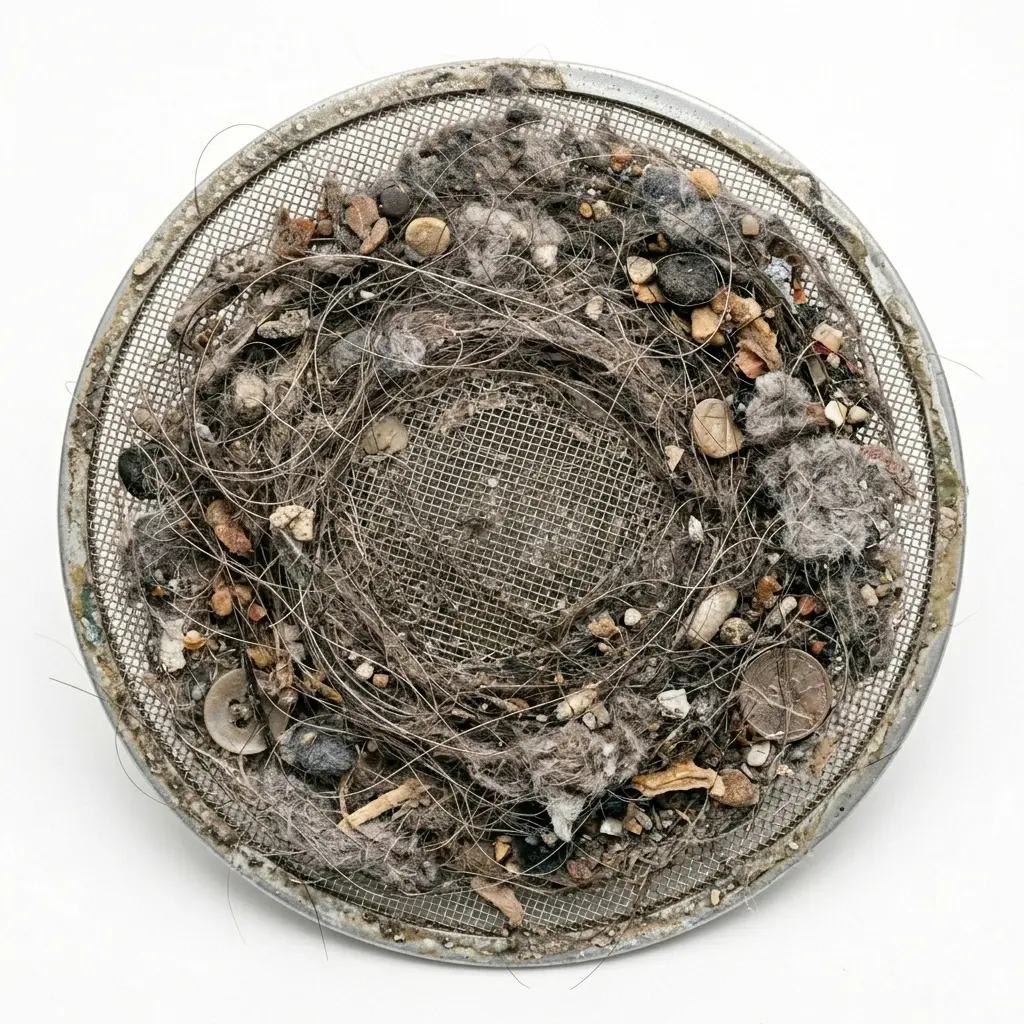
When people clean this filter for the first time, sometimes after years of ownership, the discoveries are genuinely shocking. Baby socks. Coins. Hair ties. Bobby pins. Pet hair compressed into dense mats. One person reportedly found a diamond ring that had been missing for two years.
If you have pets, this filter is almost certainly full of hair right now. Wet pet hair that’s been sitting in standing water for months produces a smell that genuinely competes with anything else the machine can generate. Cleaning it eliminates that smell instantly.
How to Clean the Drain Filter
- Locate the small access panel at the bottom front of your machine; it pops open or unscrews
- Before touching the filter cap, place a shallow tray underneath it to catch water
- Slowly turn the filter cap counter-clockwise and let the water drain into the tray before fully removing the cap
- Pull the filter out and clear all debris under running water
- Rinse the housing inside with a damp cloth
- Reinsert the filter, tighten the cap, and close the panel
- Run a short spin cycle to confirm drainage is working normally
👉 [Read More: LG Washing Machine OE Error Code, Drainage Fix Guide 2026]
The Diaper Trick for Mess-Free Filter Cleaning
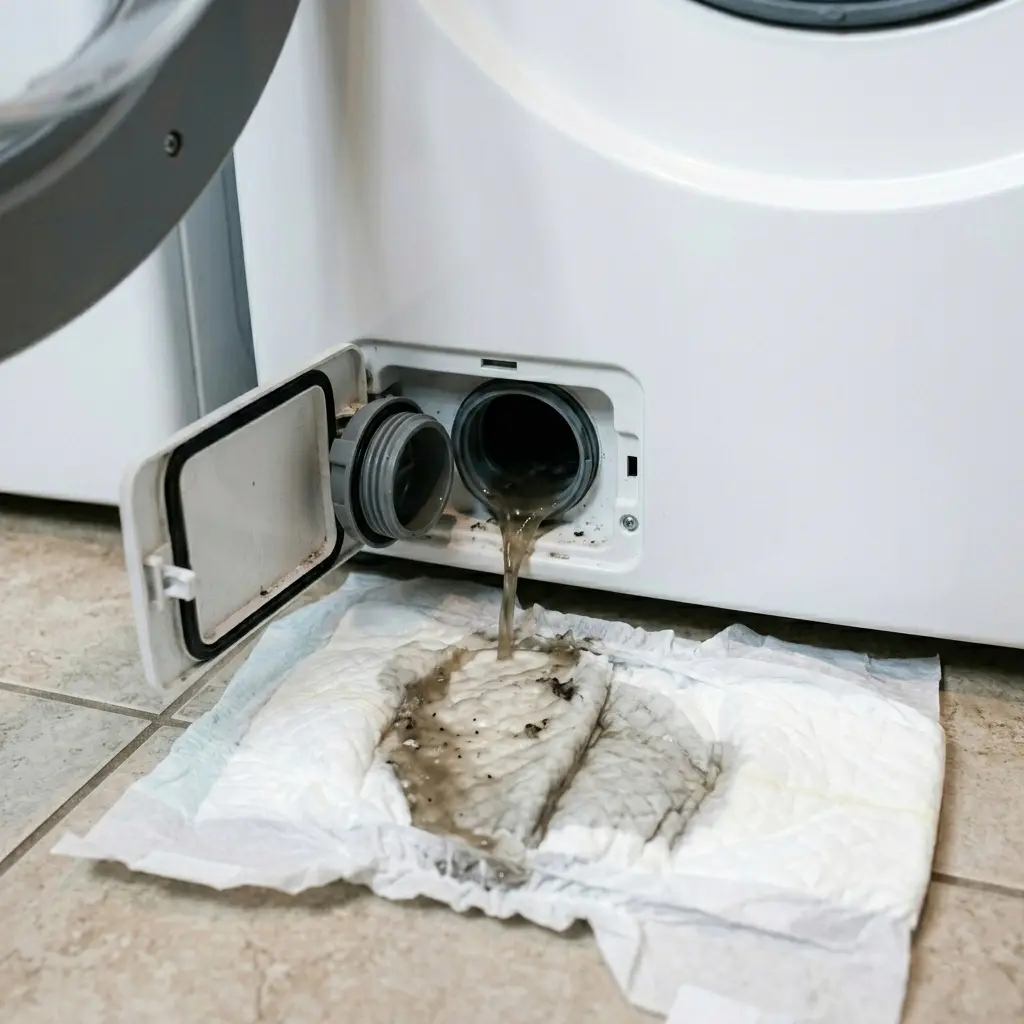
Opening that drain filter is a wet job. Even after draining carefully, water spills when the cap comes off. Mopping the laundry room floor every time you clean the filter is one of the reasons people avoid doing it.
Here’s the solution: place a disposable diaper, absorbent side up, directly under the filter opening before you start unscrewing the cap. Disposable diapers are engineered to absorb liquid instantly and hold it without leaking through. A single diaper can absorb the water that typically spills from a drain filter without a single drop reaching the floor.
💡 Pro Trick: Use a nappy or diaper with a high absorbency rating, the kind sold for overnight use. Regular thin nappies can get saturated quickly. One good-quality diaper will handle the whole job cleanly.
Once you’re done, the diaper goes straight in the bin. No mop, no towels, no wet floor. It takes about 30 seconds more setup time and saves several minutes of cleanup.
Troubleshooting: Still Smells After Cleaning?
You’ve run the Tub Clean cycle and cleaned the filter, and it still smells. Don’t give up; there are three specific places that most cleaning guides miss entirely.
1. Check Inside the Door Gasket Folds
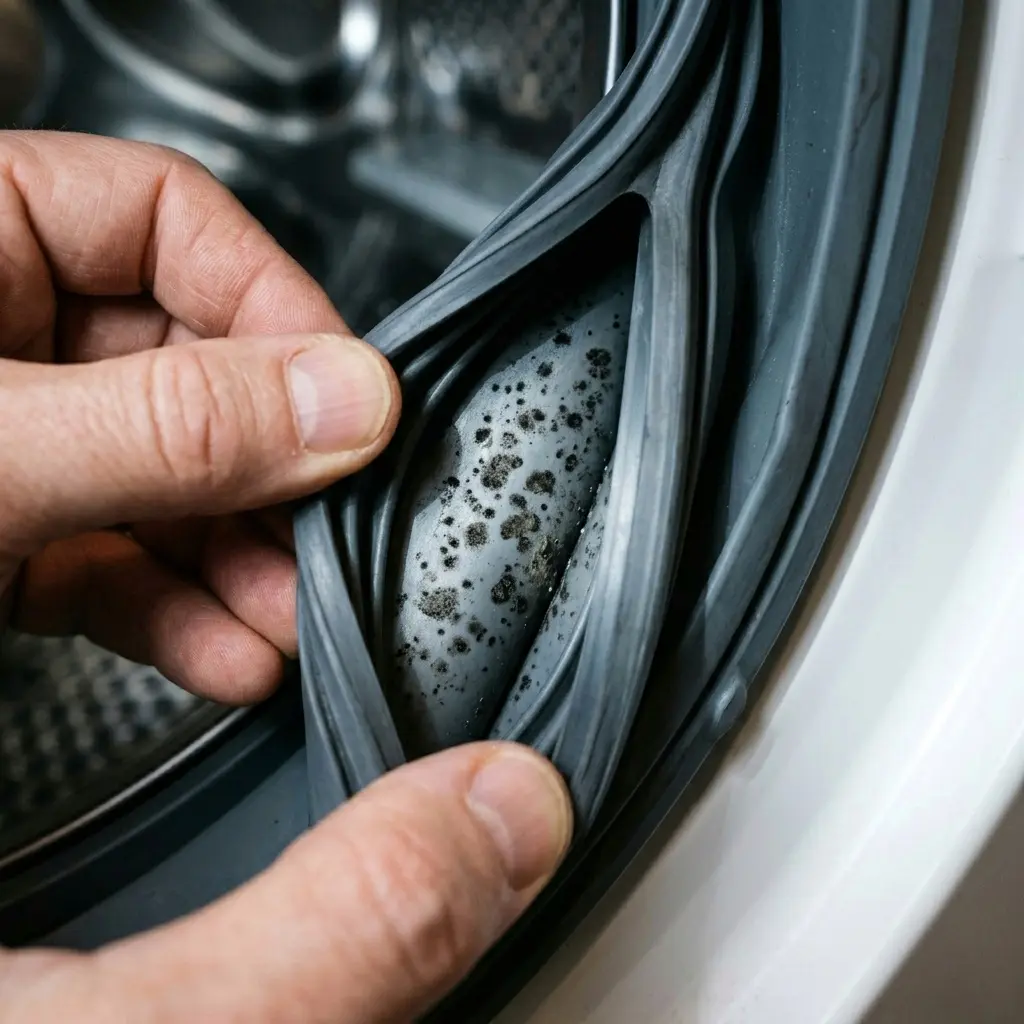
The rubber seal around the door on a front-loader has deep folds that trap moisture, lint, and small items. Peel the gasket back with your fingers and look deep inside. It’s very common to find a small sock, a clump of wet lint, or a significant patch of black mold that no amount of drum cleaning will reach.
Clean inside the folds with a cloth dampened in a solution of one part white vinegar to one part water or a small amount of Bayes spray. Dry thoroughly afterward and leave the door open.
2. Check the soap drawer, behind it, not just inside it.
Pull the soap drawer all the way out. Most drawers have a small tab or release button that lets you remove them completely. Look at the cavity behind where the drawer sits. Mold grows here in the dark and moisture, and it’s completely invisible with the drawer in place.
Scrub the inside of the cavity with a small brush or old toothbrush dipped in citric acid solution. Rinse, dry, and leave the drawer slightly open going forward to allow airflow.
3. Consider the P-Trap; It Might Be Your Pipes, Not Your Machine
If the smell is sudden, intense, and smells specifically like sewage rather than mold, the source may not be the machine at all. The drain pipe in your wall has a P-trap, a U-shaped bend designed to hold water that blocks sewer gas from coming back up. If that trap dries out or empties, sewer gas can travel back through the drain hose and into your machine.
Run water in a nearby sink to refill the trap. If the smell disappears, that was the cause. If it continues, the P-trap itself may need checking by a plumber.
Cleaning Advice by Region, Because Location Matters
North America, USA, and Canada
The biggest issue for North American washers is detergent overuse. American and Canadian machines tend to be large-capacity, and people assume that means using more soap. The opposite is true for HE machines. Too much detergent creates suds that don’t rinse away cleanly, leaving the residue that becomes scrud and mold.
- Use no more than two tablespoons of HE detergent per load, less than you think you need
- Use the Sanitize cycle monthly; it heats water high enough to kill bacteria that regular cycles miss
- If your machine has an automatic detergent dispenser, set it to the minimum recommended level
UK and Europe
In the UK and most of Europe, the primary enemy is limescale, the hard white mineral crust that builds up on the heating element when water is hard. Limescale makes the element work harder until it eventually fails. It also traps bacteria and contributes to the biofilm that causes persistent odors.
- Use a dedicated descaler every two months; Calgon tablets or Dr. Beckmann Washing Machine Cleaner are both reliable choices
- European machines reach high temperatures (90°C) and run a monthly boil wash with descaler to clear limescale from the heating element
- If you’re in a very hard water area, consider a plumbed water softener for the long-term health of all your appliances
Australia
Top-loaders are still popular in Australia; they’re faster and handle large loads well. But they have a specific maintenance issue: the lint filter. Top-loaders trap lint either in the agitator column in the center or along the drum rim, depending on the model. If this filter isn’t cleaned monthly, the lint reattaches to clean clothes and the warm, damp filter becomes a mold incubator.
- Check your machine manual to locate the lint filter; it’s usually inside the agitator or along the top rim
- Remove and rinse the lint filter under running water every month
- Run a hot empty cycle with citric acid quarterly to address any bacterial buildup
Humid and Hot Climates
In consistently hot, humid environments, parts of Southeast Asia, South Asia, Florida, the Gulf states, and coastal regions, the air inside the machine never fully dries between washes. That persistent moisture is ideal for mold growth, and machines in these climates can develop smell problems much faster than those in drier regions.
- Leave both the door and the soap drawer fully open after every single wash, not just ajar—fully open
- If the machine is in a small laundry cupboard with limited airflow, place a small electric dehumidifier nearby
- Clean the drum monthly rather than quarterly; the faster moisture accumulation means buildup happens faster too
3 Simple Daily Habits That Prevent the Smell from Coming Back
Cleaning is reactive. These habits are preventive, and they take less than a minute each.
1. Leave the Door Open After Every Wash
This is the single most effective thing you can do. The drum needs to dry out between cycles. When you close the door immediately, you trap moisture, creating the perfect environment for mold. Leave it open for at least two hours after every wash, ideally until your next load.
2. Use Less Detergent Than You Think You Need
Seriously, cut your current amount in half and try it. Your clothes will come out just as clean. HE machines use very little water, which means excess detergent doesn’t rinse away; it coats the drum. Over time that coating becomes scrud. Reducing detergent quantity is one of the most impactful things you can do to prevent smells from recurring after a deep clean.
3. Wipe the Rubber Gasket Dry After Your Last Load
After your last wash of the day, spend five seconds wiping the inside of the rubber door seal dry with a cloth or old towel. Pay attention to the bottom fold where water collects most. This one small habit dramatically slows mold growth in the gasket, the most common source of persistent washing machine smell.
Your 2026 Washing Machine Cleaning Schedule
Print this out and stick it on the machine. Follow it consistently and you’ll never deal with a smell problem again.
| How Often | What to Do |
| After every wash | Leave the door and soap drawer open for at least 2 hours. Remove clothes immediately; wet laundry sitting in the drum is one of the fastest ways to grow mold. |
| Once a month | Run an empty hot cycle or tub clean cycle with an Affresh tablet or two tablespoons of citric acid powder. |
| Every 3 months | Clean the drain pump filter (use the diaper trick). Pull out the soap drawer completely and scrub behind it with a toothbrush. |
| Every 6 months | Wipe down the inlet valve mesh filters at the water connections. Check the door gasket folds for trapped items or black mold. |
| Once a year | Inspect the inlet and drain hoses for cracks, bulges, or loose fittings. Run a descaling cycle if you live in a hard water area. |
Pros and Cons of the Most Popular Washing Machine Cleaners
Affresh Tablets: Pros and Cons
- ✅ Slow-dissolving formula works throughout the entire cycle, not just the first fill
- ✅ Officially recommended by Whirlpool, Maytag, and several other major brands
- ✅ Available globally and easy to find in supermarkets and online
- ❌ Not the strongest option for machines with months of built-up scrud, needs OxiClean first
- ❌ Fragranced version may not suit very sensitive skin
Citric Acid Powder: Pros and Cons
- ✅ Safe for rubber seals and hoses, unlike white vinegar
- ✅ Highly effective against limescale in hard water areas
- ✅ No synthetic chemicals or fragrances, genuinely natural
- ✅ Very inexpensive per use compared to branded tablets
- ❌ Requires measuring and dissolving, less convenient than a tablet
- ❌ Less effective against thick biofilm than an oxygen-activated washing machine cleaners like OxiClean
OxiClean: Pros and Cons
- ✅ The most effective option for a seriously dirty machine that hasn’t been cleaned in a long time
- ✅ Oxygen-activated foam reaches areas that tablet cleaners can’t
- ✅ Works faster than slow-dissolving tablets for initial deep cleaning
- ❌ Too aggressive for monthly use on a regularly maintained machine
- ❌ Stronger formula means it’s not the best choice for households with very sensitive skin
FAQ, 5 Common Questions Answered
1. Can I use white vinegar instead of a washing machine cleaners?
Vinegar is useful for wiping external surfaces, the soap drawer, the door, and the control panel. But you should be careful about using it regularly inside the drum. The acetic acid in vinegar can gradually soften and degrade rubber door gaskets and internal hoses over time, which can eventually lead to leaks. Many machine manufacturers, including Whirlpool and LG, now advise against using vinegar inside the drum regularly. Citric acid is a safer and equally effective alternative for internal cleaning; it descales and kills bacteria without harming rubber components.
2. Is bleach better than cleaning tablets for killing mold?
Bleach is highly effective at killing mold and bacteria on contact, but it doesn’t break down the scrud, the waxy film of soap residue and body oils, that mold grows on. So bleach kills the mold that’s there right now but leaves the food source intact, meaning mold grows back quickly. Cleaning tablets work differently: they dissolve the scrud itself, removing the environment that mold needs to grow. For best results when dealing with an active mold problem, do one bleach cycle to kill it, then follow up with OxiClean or Affresh to remove the scrub, then maintain monthly.
3. Why does my machine shake so much during the cleaning cycle?
Excessive shaking or vibration during any cycle, including a cleaning cycle, is almost always a leveling issue. Check that all four feet of the machine are making firm, even contact with the floor. Place a spirit level on top and adjust the feet until the bubble sits dead center. Tighten the locking nuts on the feet afterward so they can’t shift during vibration. If the machine is level and shaking persists, the suspension rods may be worn, a separate mechanical issue worth investigating.
4. How do I know if I’m using too much detergent?
The easiest test: watch the drum through the glass door during the rinse cycle. If you can see bubbles or foam, you’re using too much detergent. The rinse cycle should be running clear water with no visible suds. Another sign is a slimy or slippery feeling inside the drum when you run your hand over it; that’s a detergent residue coating. Cut your detergent quantity by half and monitor over the next few washes. Most people find their clothes come out equally clean with significantly less soap than they’ve been using.
5. When should I just replace the washing machine instead of cleaning it?
A general rule used by appliance repair technicians is the 50% rule: if a repair costs more than 50% of the price of a comparable new machine, replacement is usually the smarter financial decision. For smell-related issues specifically, replacement is almost never necessary; smell problems are maintenance issues, not mechanical failures, and they’re fixable at any age with the right cleaning routine. The time to seriously consider replacement is when there are repeated mechanical failures, drum bearing noise, repeated motor errors, or persistent drainage failure after clearing the filter, particularly on a machine over 10 years old.
👉 [Read More: LG Washing Machine Common Problems, Fix vs Replace Guide 2026]
Conclusion
A smelly washing machine isn’t a broken washing machine. It just needs some attention, and now you know exactly what kind.
Start with a good deep clean: OxiClean if there’s heavy buildup, Affresh if it’s more routine. Clean the drain filter; you might be surprised what you find in there. Check the gasket folds and the soap drawer cavity. Then build the three habits: door open, less detergent, and gasket wiped dry.
Do those things consistently and your machine will smell fine, your clothes will smell fresh, and you won’t be thinking about this problem again for a long time. That’s the goal.
Want more appliance maintenance guides? Check out our related posts below for deep dives on specific washing machine cleaners, LG and Samsung washer maintenance, and how to fix the most common error codes.