
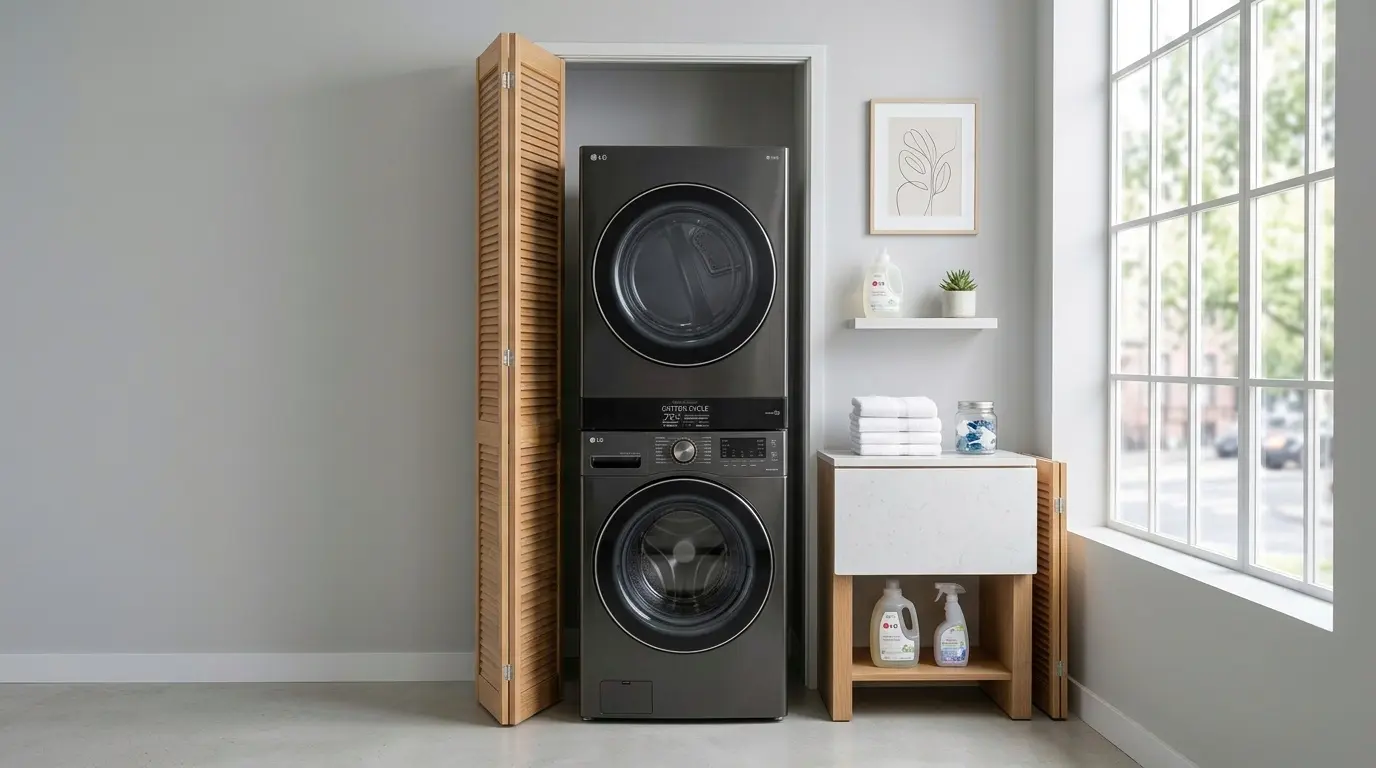
I’ve walked more customers through the WashTower display at showrooms than I can count, and the question is always the same: does stacking a washer and dryer into one chassis actually work in daily life, or is it a design gimmick with a premium price tag attached? After spending real time with this unit, not just a five-minute demo cycle, I have a firm opinion, and it’s more nuanced than the marketing copy suggests.
Table of Contents
What the LG WashTower Actually Is
The LG WashTower is a single-chassis laundry appliance that stacks a front-load washer beneath a front-load dryer, with both units sharing one control panel mounted at eye level between them. LG calls this the center control panel. Depending on configuration, the washer runs around 4.5 to 5.0 cu. ft. and the dryer around 7.2 to 7.8 cu. ft., with electric, gas, or ventless heat-pump dryer variants available depending on region and model number
This isn’t LG bolting two existing appliances together with a shelf between them. The washer and dryer share a single 27-inch-wide footprint and a single power connection point for the control system, and, critically, they cannot run at the same time. That last detail matters more than most spec sheets let on, and I’ll come back to it.
If you’re deciding between this stacked unit and buying LG’s standalone smart washer and dryer separately, that’s a different decision tree than what this review covers
First Impressions and Setup
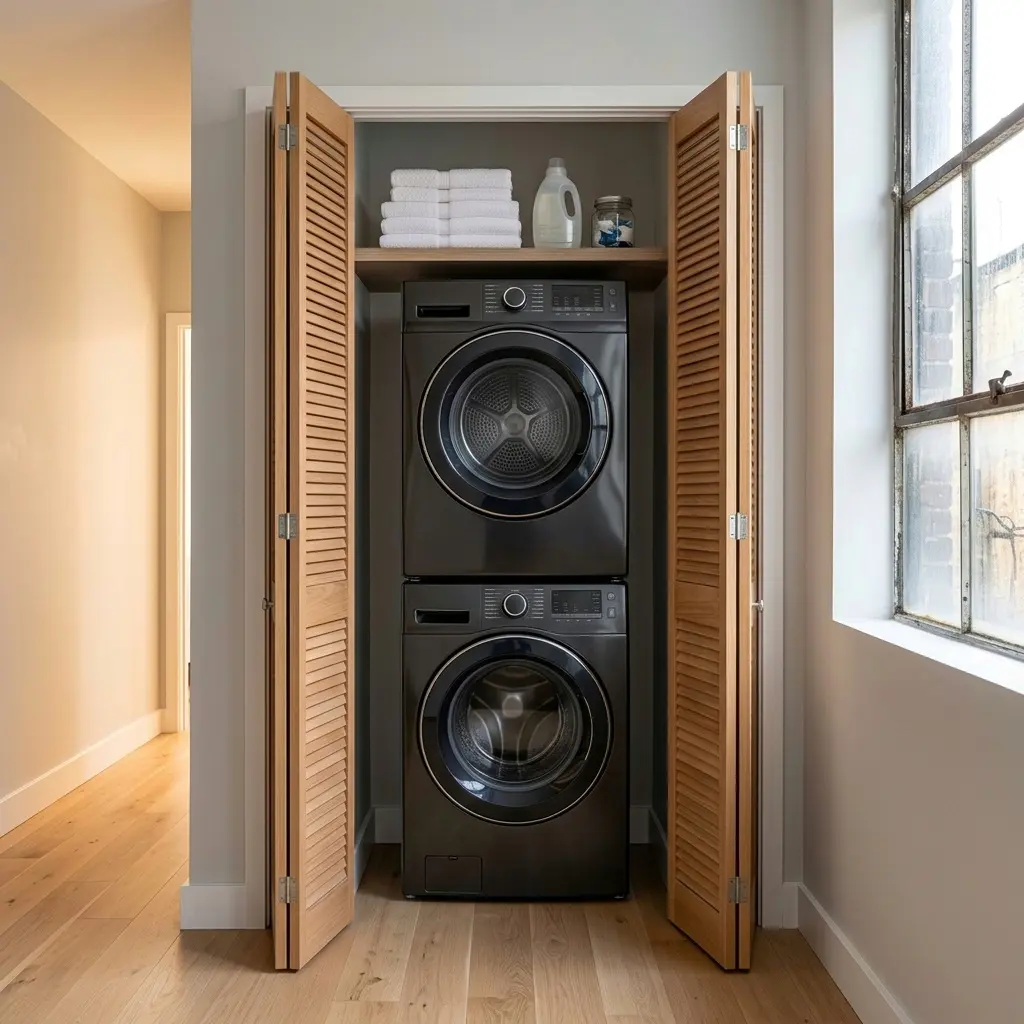
Out of the crate, the WashTower is genuinely striking in person. The black steel finish photographs well, but it looks even better in a real laundry room; it reads more like a piece of furniture than a utility appliance, which is exactly what LG is going for at this price tier.
Setup, however, is not a DIY-friendly job for most homeowners. Because the unit is delivered pre-assembled as a single tower, you’re not stacking two separate boxes yourself, but you are maneuvering a very tall, very heavy single appliance through doorways and into a tight utility space, and the electrical, water, and (if applicable) gas or vent connections need to line up correctly the first time. I strongly recommend professional installation here, and most retailers bundle it in or offer it cheaply, which is worth taking them up on
One thing salespeople rarely mention upfront: measure your ceiling height and doorway width before you fall in love with this unit. At roughly 74–75 inches tall, it clears standard 8-foot ceilings in most homes, but it can be a tight squeeze through older doorframes, especially in second-floor laundry closets.
Wash Performance: Day-to-Day Reality
The washer half uses LG’s AI Direct Drive inverter motor, and in daily use it does what a good direct-drive motor should do: clean effectively without beating up fabric and run quietly enough that you forget it’s running until the buzzer goes off. TurboWash cuts a genuinely useful amount of time off standard cycles when you’re in a hurry, and I’ve found it doesn’t sacrifice much in cleaning performance for everyday loads; heavily soiled items are where you notice the difference, and that’s true of every TurboWash-equipped LG washer, not something unique to this unit.
Where the washer earns its keep is on bulky items, comforters, winter coats, and area rugs. The larger drum handles these without the machine walking across the floor or throwing an unbalanced-load error every other cycle, which is a common complaint with smaller-capacity front-loaders. 👉 [How to fix an LG washer UE unbalanced load error].
Here’s a piece of insider knowledge worth knowing before you buy: The advertised wash motion count (LG markets figures like “18,000+ wash motions”) sounds impressive, but it’s a measurement of how many discrete movements the drum makes per cycle, not a direct measure of cleaning power. Two washers with very different wash-motion numbers can produce nearly identical stain-removal results in independent lab testing. Don’t let that number alone sway a buying decision; it’s a marketing metric more than a performance guarantee.
Dry Performance and the Ventless Question
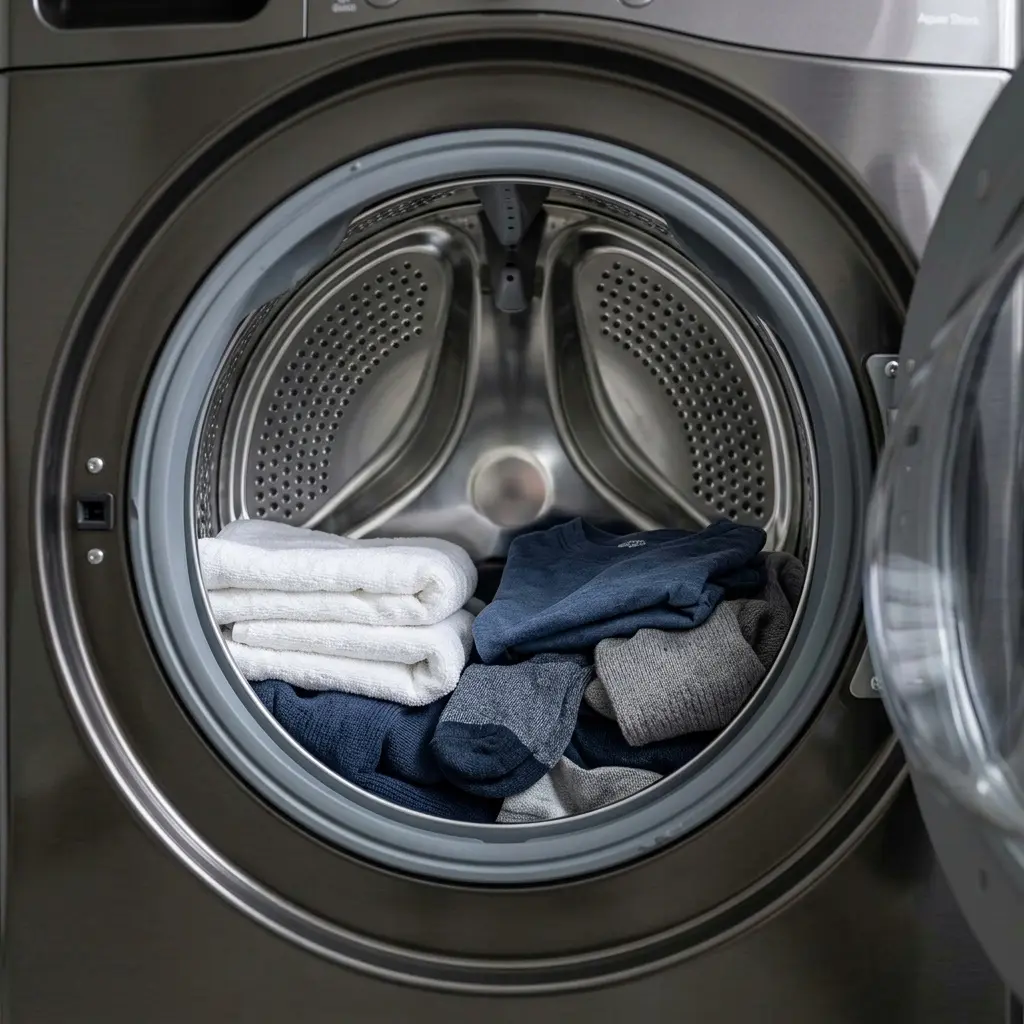
Depending on which WashTower configuration you buy, the dryer is either a standard vented electric or gas unit, or a ventless heat-pump dryer. This distinction matters enormously and gets glossed over in a lot of reviews.
The vented eleunit orctric and gas versions dry at speeds comparable to any good standalone LG dryer, nothing revolutionary, but reliable and consistent. The ventless heat-pump version is quieter, gentler on fabric, and doesn’t require exterior venting (useful in condos or apartments where venting isn’t possible), but it runs noticeably longer cycles, often 20–40% longer than a vented cycle for the same load size. If you do multiple loads of laundry per day, that extra time compounds fast, especially combined with the fact that the washer and dryer can’t run simultaneously.
The Center Control Panel and ThinQ App
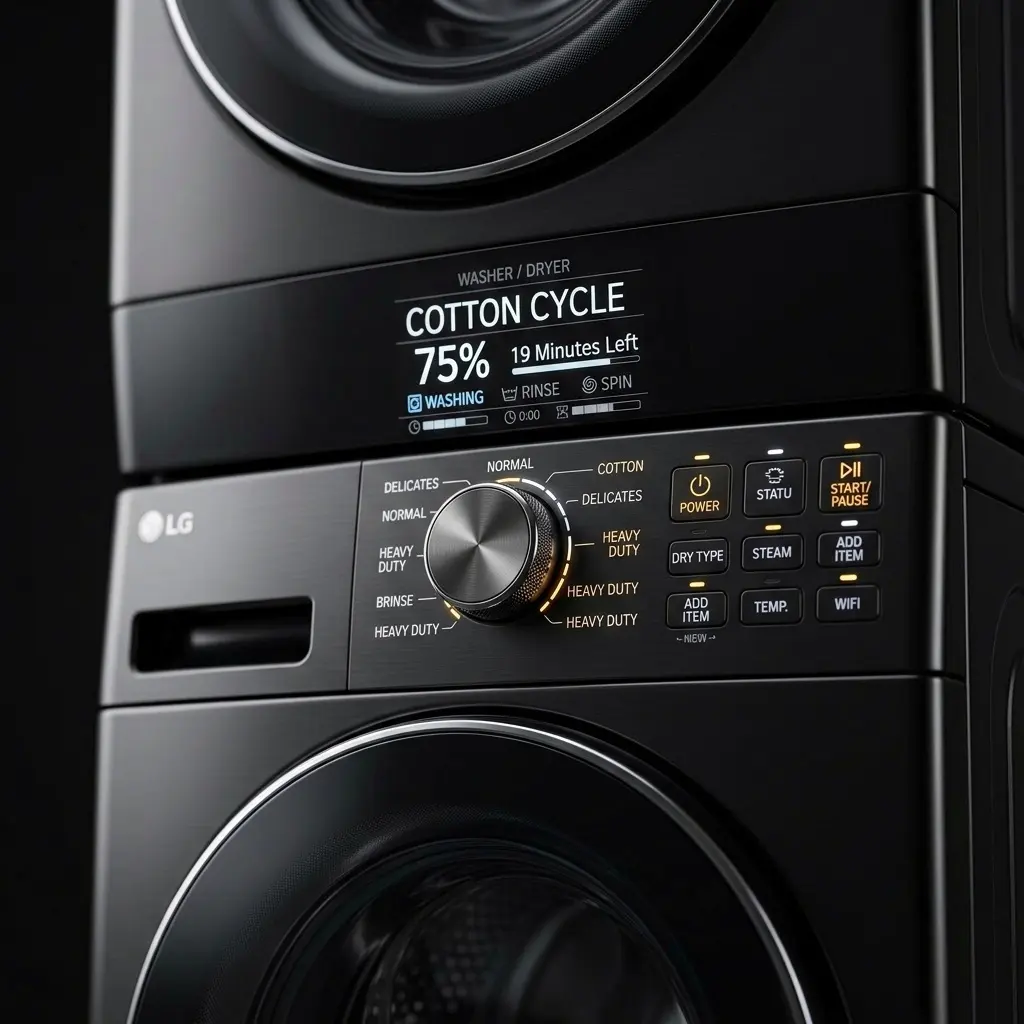
The middle-mounted center control panel is one of the WashTower’s best real-world features, no more crouching to read a dryer display or standing on tiptoes to reach washer controls at the bottom of a stack. It’s a small ergonomic win that becomes a bigger deal the longer you live with the unit.
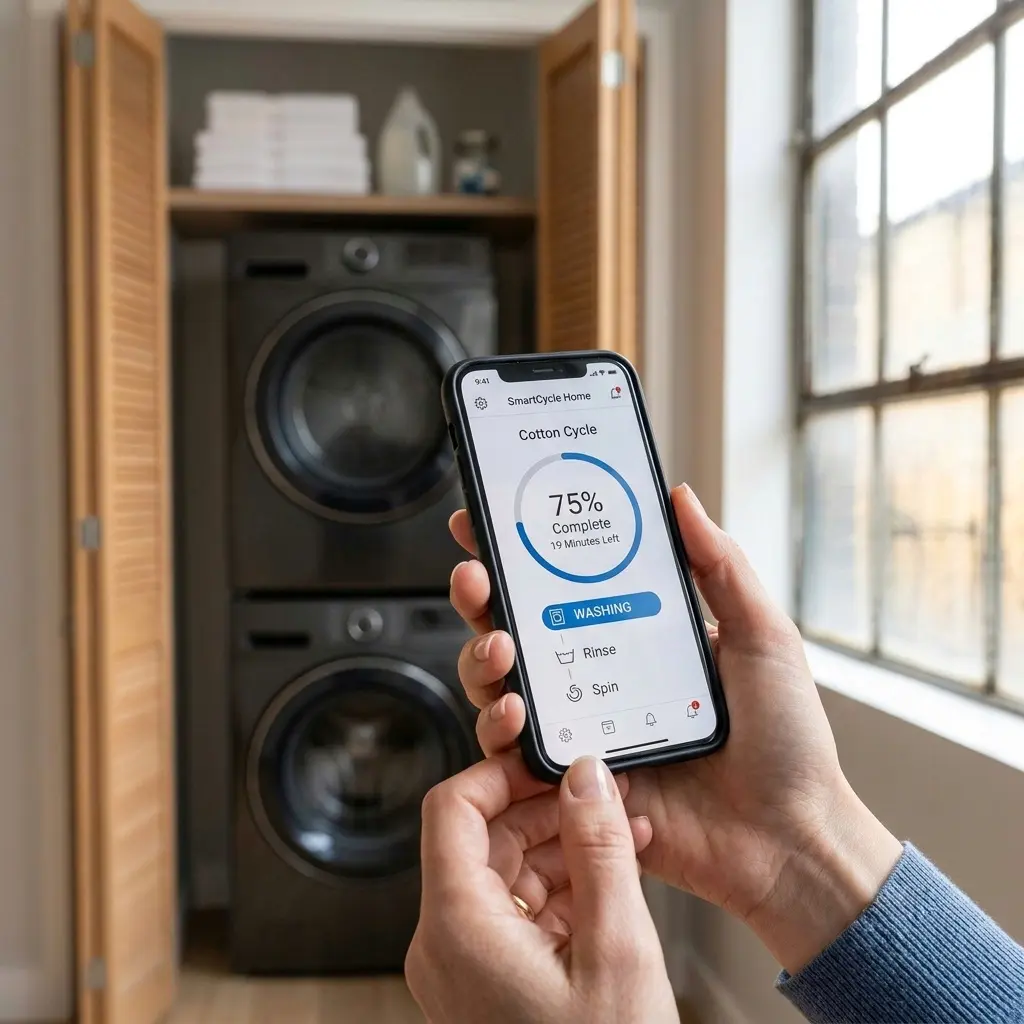
The ThinQ app handles remote start, pause, and cycle monitoring and sends a push notification when a cycle finishes, genuinely useful if you’re the type who forgets laundry is running until you smell it. LG periodically pushes new specialty cycles through the app rather than locking you into whatever cycles shipped on the unit, which is a real advantage over non-connected machines that can never gain new functionality.
Smart home integration with Google Home and Amazon Alexa works as advertised for basic voice commands, starting a cycle, and checking status, though I wouldn’t buy this unit specifically for the smart features. They’re a nice-to-have layered on top of a good appliance, not the main reason to choose it 👉 [LG ThinQ washer troubleshooting, Wi-Fi, and app connection issues].
Noise and Vibration During Real Loads
On a hard, level floor with proper installation, the WashTower runs quieter than most people expect from a stacked unit; the AI Direct Drive motor actively adjusts based on detected vibration patterns during the cycle, which does noticeably reduce the mid-cycle rumble you get from cheaper direct-drive or belt-driven machines.
That said, “quiet” is relative to floor and installation quality. On upper-floor laundry closets or older subfloors, you will feel some vibration transfer through the structure during high-speed spin cycles, especially with heavy, unbalanced loads like a single comforter. This isn’t unique to LG, it’s physics, but the taller, top-heavy profile of a stacked unit can make vibration slightly more noticeable than a side-by-side washer and dryer pair on the same floor.
| Noise/Vibration Factor | Real-World Impact |
| AI Direct Drive vibration sensing | Reduces mid-cycle rumble on balanced loads |
| Hard/uneven flooring | Increases perceived noise and vibration transfer |
| Upper-floor installation | Vibration more noticeable through structure |
| Unbalanced bulky loads (comforters, rugs) | Can still cause audible vibration regardless of motor tech |
| Ventless heat-pump dryer | Quieter operation than vented electric/gas dryer |
Living With It After 12+ Months
This is the section most reviews skip, and it’s the one that actually matters for a $2,000+ purchase. After a year of regular use, the WashTower’s wash performance hasn’t noticeably degraded, the inverter motor is holding up as expected, and cleaning results are consistent with month one.
The dryer lint filter and vent path (on vented models) need more frequent attention than a standalone dryer, simply because the compact internal ducting in a combo unit clogs faster than the wider, more accessible ducting in a full-size standalone dryer. If you skip filter cleaning for a few weeks, you’ll notice a real drop in drying efficiency before you notice it on a standalone unit; this is a maintenance habit worth building early.
The rubber door gasket on the washer is the other component to watch. Front-load washers in general are prone to gasket mildew if you don’t leave the door cracked between loads, and the WashTower is no exception. This isn’t a flaw unique to this model, but it’s worth knowing going in if you’ve only owned top-load washers before. 👉 [Washing Machine Gasket Mold? The Bleach Soak & Pro Fix].
Repairs, Parts, and What Breaks First
Here’s the hidden cost most buying advice glosses over: because the washer and dryer are one integrated chassis, a major failure in either half can mean the entire unit is out of commission for repair, and depending on the failure, you may not be able to use the working half while the other is serviced, unlike a standalone pair, where a broken dryer doesn’t take your washer offline too.
In terms of what tends to fail first based on common service patterns for LG’s direct-drive and inverter-based laundry lineup: drain pump issues and door lock/switch assemblies are the most frequent washer-side service calls in the first two to three years, while heating element or thermistor issues are the most common dryer-side calls on vented electric models. None of these are unique to the WashTower specifically; they’re common LG laundry failure points in general, but because of the combo design, a repair technician needs to access a taller, more compact chassis, which can mean slightly higher labor time and cost compared to servicing a standalone unit 👉 [How to Repair a Washing Machine That Won’t Drain: Easy DIY Fixes (2026)].
LG backs the WashTower with a standard one-year parts-and-labor warranty and typically a longer warranty on the direct-drive motor itself, often extended further if you register the unit through the ThinQ app, which is worth doing immediately after installation rather than putting it off.
| Cost Category | What to Expect |
| Upfront price | Sits in the premium tier compared to standalone washer + dryer pairs of similar capacity; check current retailer pricing, as it shifts with promotions |
| Installation | Often requires professional delivery/install; budget for this separately |
| Common early-failure parts | Drain pump, door lock/switch (washer); heating element/thermistor (vented dryer) |
| Warranty | 1-year parts & labor standard; extended motor warranty typical, often tied to ThinQ registration |
| Repair complexity | A combo chassis can mean longer technician access time vs. standalone units |
Who This Machine Is Actually For
The WashTower makes the most sense for buyers who are genuinely floor-space constrained, in an apartment, a condo laundry closet, or a home where a full side-by-side washer/dryer footprint simply isn’t available, and who are willing to pay a premium for that space savings plus a more polished aesthetic.
It makes less sense for large families running multiple loads back-to-back every day, precisely because the washer and dryer can’t operate simultaneously. If your household regularly needs to wash one load while drying another, a standalone pair will get through your laundry pile faster, full stop, regardless of how efficient either individual appliance is.
A question a good salesperson should ask before recommending this unit, and one most buyers never think to raise themselves, is, “How many loads of laundry do you realistically run per day, and can your schedule tolerate wash-then-dry sequencing instead of running both at once?” If the honest answer is more than one or two loads daily, the WashTower’s space savings may come at a real time cost you haven’t budgeted for.
Final Verdict
The LG WashTower delivers on its core promise: genuinely good wash and dry performance in a footprint that a standalone pair simply can’t match, wrapped in a design that looks and feels premium rather than utilitarian. The AI Direct Drive motor, the Center Control panel, and the ThinQ app integration are not gimmicks; they hold up in daily use over the long term, not just in a showroom demo.
But this is not the right appliance for every household, and I’d steer you away from it if floor space isn’t actually your binding constraint. If you have room for a standalone washer and dryer side by side, that setup will move more laundry through your week faster and give you more repair flexibility down the line, generally at a lower combined cost. Buy the WashTower because you need the space it saves, not just because it looks better in photos than two separate boxes.
Frequently Asked Questions
1. Can the LG WashTower wash and dry at the same time?
No. The washer and dryer share a single control system and cannot run simultaneously, which is the single biggest lifestyle trade-off compared to owning a standalone pair.
2. Is the LG WashTower worth the higher price compared to buying a separate LG washer and dryer?
It depends almost entirely on whether floor space is a genuine constraint for you. The premium buys you a smaller footprint and a more polished aesthetic, not meaningfully better cleaning or drying performance than LG’s comparable standalone models.
3. How loud is the LG WashTower during a normal cycle?
On a solid, level floor it runs quietly for a front-load unit, thanks to vibration-sensing motor adjustments, but expect more noticeable vibration on upper floors, older subfloors, or with unbalanced bulky loads like comforters.
4. Does the LG WashTower need a special installation?
Not special plumbing or wiring in most cases, but professional installation is strongly recommended given the unit’s height, weight, and the need to align washer, dryer, and (on vented models) exhaust connections correctly on the first attempt.
5. What’s the most common repair issue on the LG WashTower?
Drain pump and door lock/switch problems tend to be the most frequent washer-side service calls in the first couple of years, while heating element or thermistor issues are most common on vented electric dryer configurations.
6. Is the ventless heat-pump dryer version worth choosing over the vented version?
If you can’t vent to the exterior, a common situation in condos and apartments, yes, it’s often your only option. If venting is available, the vented version dries faster, and the ventless model’s longer cycle times are worth weighing against that convenience.
7. How long does the LG WashTower typically last before major repairs are needed?
Based on common service patterns for LG’s inverter-motor laundry lineup, most owners don’t see a major failure inside the first two to three years with reasonable maintenance, though gasket care and lint filter cleaning have an outsized effect on how well the unit holds up over time.