
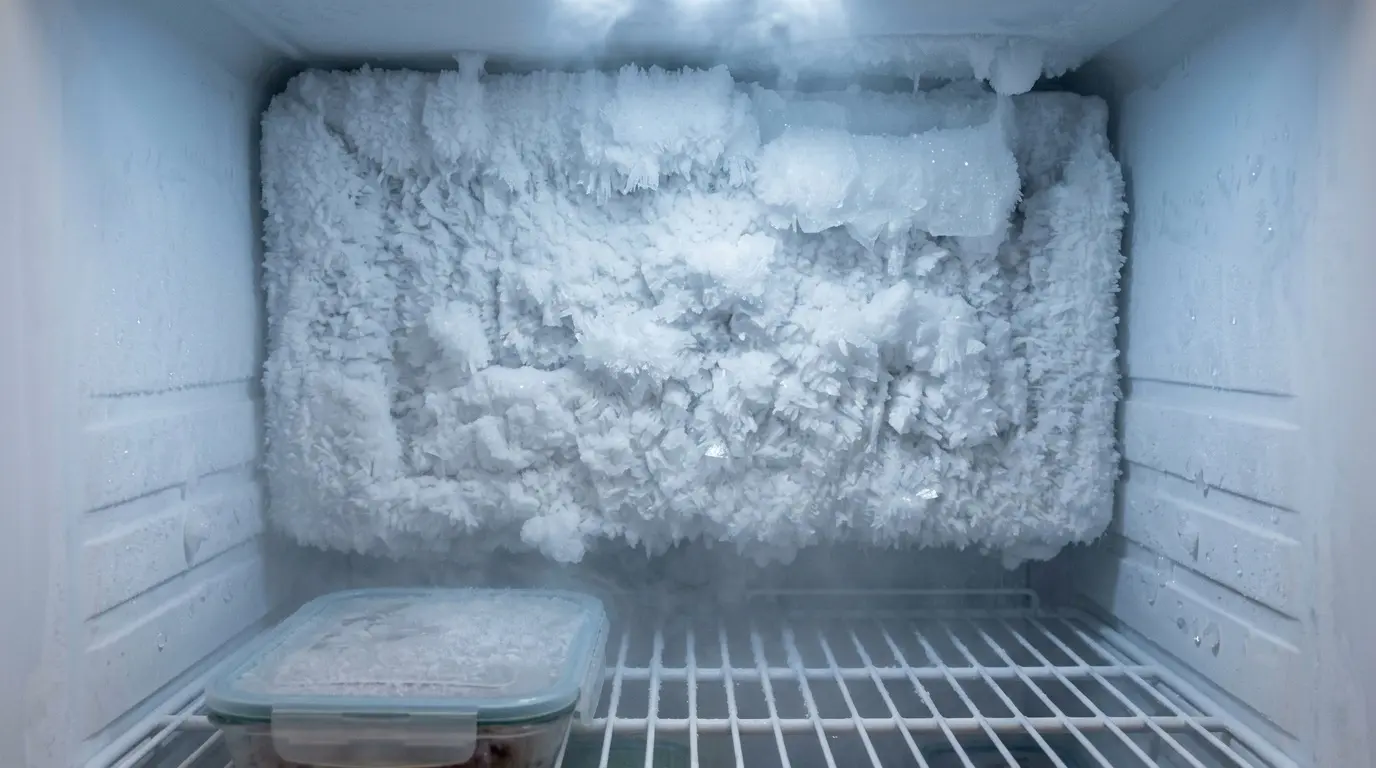
A thin, even layer of frost on the back wall of your freezer is normal. A thick, uneven sheet that keeps growing back within days of scraping it off is your refrigerator telling you something specific is wrong, and in most cases, it’s something you can actually fix yourself without opening the sealed refrigerant system at all. In this guide we discuss the common causes of LG refrigerator frost buildup on freezer walls and their quick and easy fixes.
⚠️ Safety Before You Start
Before touching anything inside the freezer compartment:
- Unplug the refrigerator at the wall outlet before removing any interior panels, not just switching it off at a control screen, since some components can still carry residual current.
- Let ice melt naturally or use a plastic scraper; never use a metal tool or knife to chip away frost, since this can puncture the evaporator coil or refrigerant lines behind the panel, turning a simple frost issue into an expensive sealed-system repair.
- Watch for water pooling near the base as frost melts during inspection; unplug nearby outlets if water is accumulating close to them.
- Stop and call a licensed technician if you smell anything electrical/burning, if you see the evaporator coil itself visibly damaged, or if the issue involves the sealed refrigerant system rather than the defrost components covered here; refrigerant work requires EPA certification and specialized equipment that isn’t a DIY job under any circumstance.
Table of Contents
Why Frost Builds Up on the Freezer Wall in the First Place
Every frost-free LG refrigerator relies on a defrost cycle that runs automatically several times a day, briefly warming the evaporator coil (usually hidden behind the freezer’s rear panel) just enough to melt any accumulated frost before it builds up. That meltwater drains away through a small channel to a pan near the compressor, where it evaporates.
Excess frost on the visible wall means one of two things is happening: warm, moist air is getting into the freezer more than it should, or the defrost cycle isn’t clearing the coil properly before frost migrates forward to where you can see it. Everything below traces back to one of those two root causes.
Door Seal and Gasket Issues
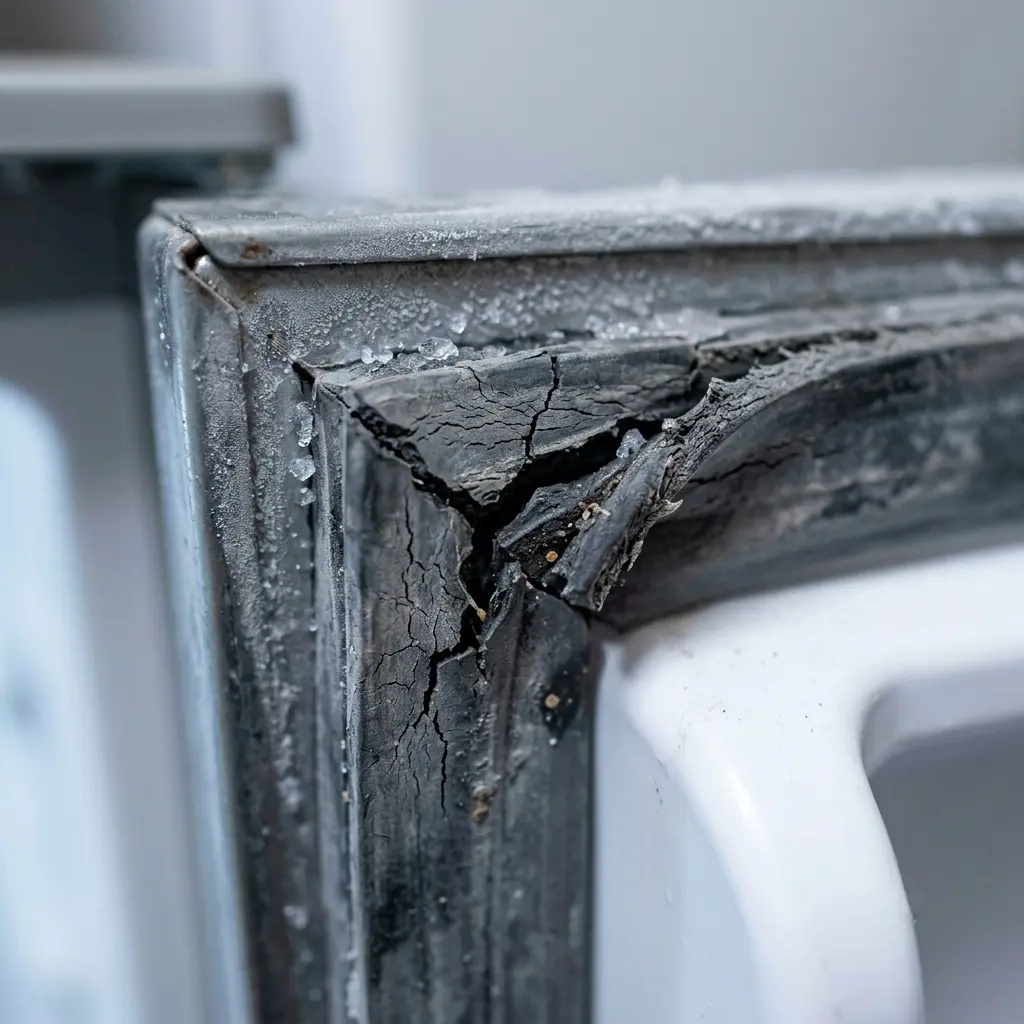
This is the single most common cause, and it’s also the easiest to check without any tools. A worn, torn, or misaligned door gasket lets warm humid air continuously leak into the freezer, and that moisture condenses and freezes the moment it hits the cold interior wall.
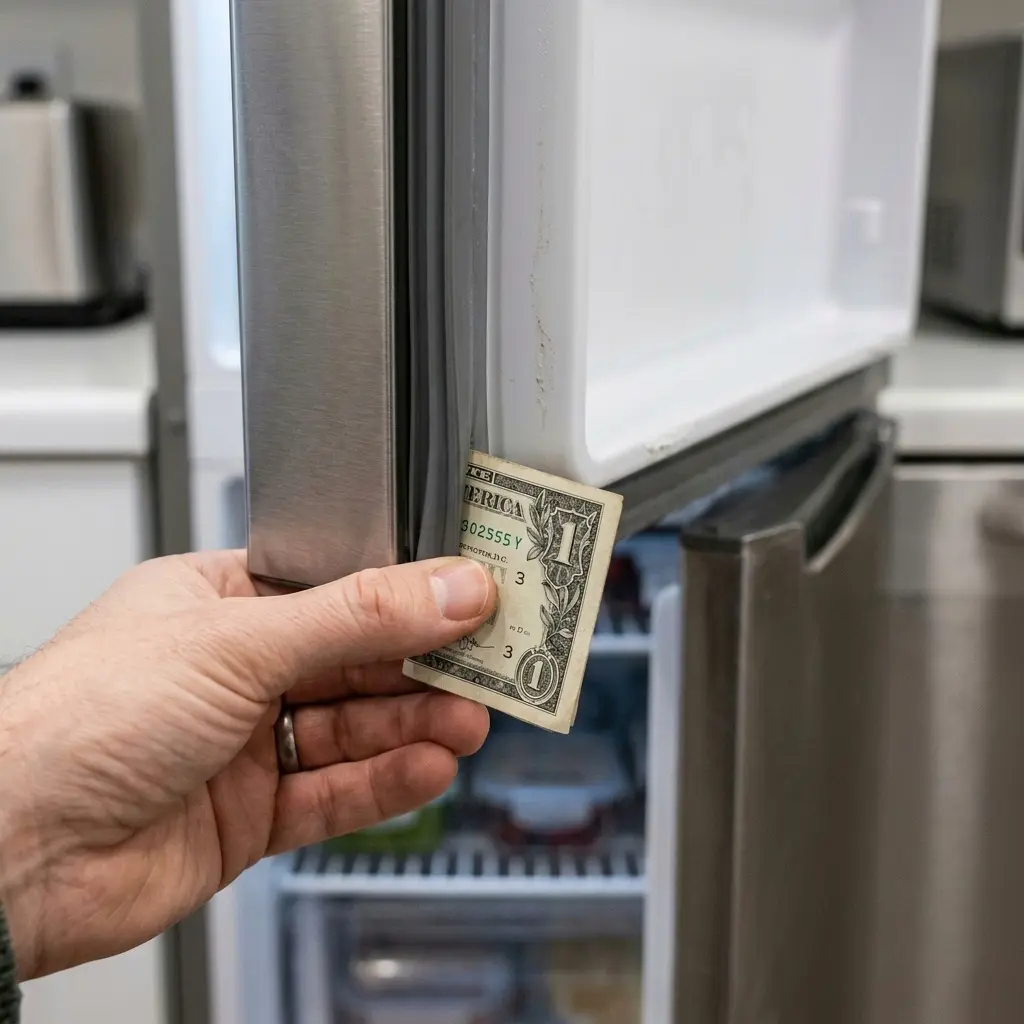
The dollar-bill test: close the freezer door on a dollar bill so it’s halfway in and halfway out, then pull it out slowly. If it slides out with little to no resistance at multiple points around the door perimeter, the seal isn’t compressing evenly and needs attention. A properly sealed gasket should require a firm, consistent pull all the way around.
LG refrigerator freezer door gasket replacement is the part to check against your model number if the seal itself is visibly cracked, stretched, or has lost its shape rather than just needing repositioning.
One thing worth checking before replacing the gasket entirely: sometimes the door hinge has simply loosened slightly over years of use, causing the door to hang unevenly rather than the gasket itself failing. A technician will check hinge alignment first, because tightening a hinge is a five-minute fix versus a gasket replacement that requires ordering the correct part for your specific model.
Defrost Timer and Heater Problems
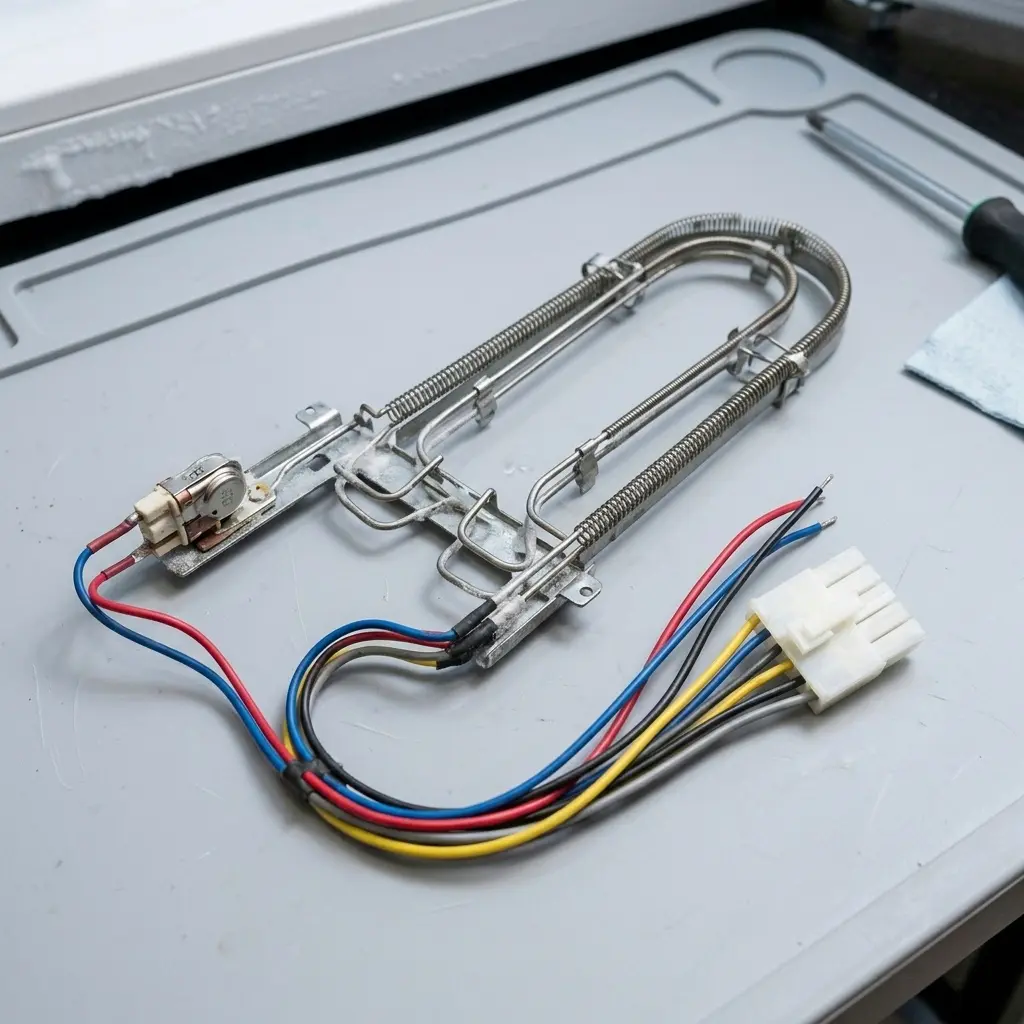
If the door seal checks out fine and frost keeps returning, the defrost system itself is the next most likely culprit. Three components work together here: the defrost timer (or adaptive defrost control board on newer models), the defrost heater, and the defrost thermostat that tells the heater when to stop.
If the heater isn’t engaging on schedule, frost accumulates on the coil faster than it’s cleared, eventually pushing forward onto the visible wall. If the defrost thermostat fails in a way that cuts the heater off too early, the same buildup pattern happens even though the heater technically did activate.
A detail most people don’t know: a failing defrost heater often shows a very specific pattern, frost concentrated heavily in the back-center of the freezer wall, directly over where the heater element sits, rather than spread evenly across the whole wall. Even, uniform frost more points toward a door seal or airflow issue, while concentrated frost in one specific zone points toward the defrost heater itself.
Blocked or Frozen Drain Line
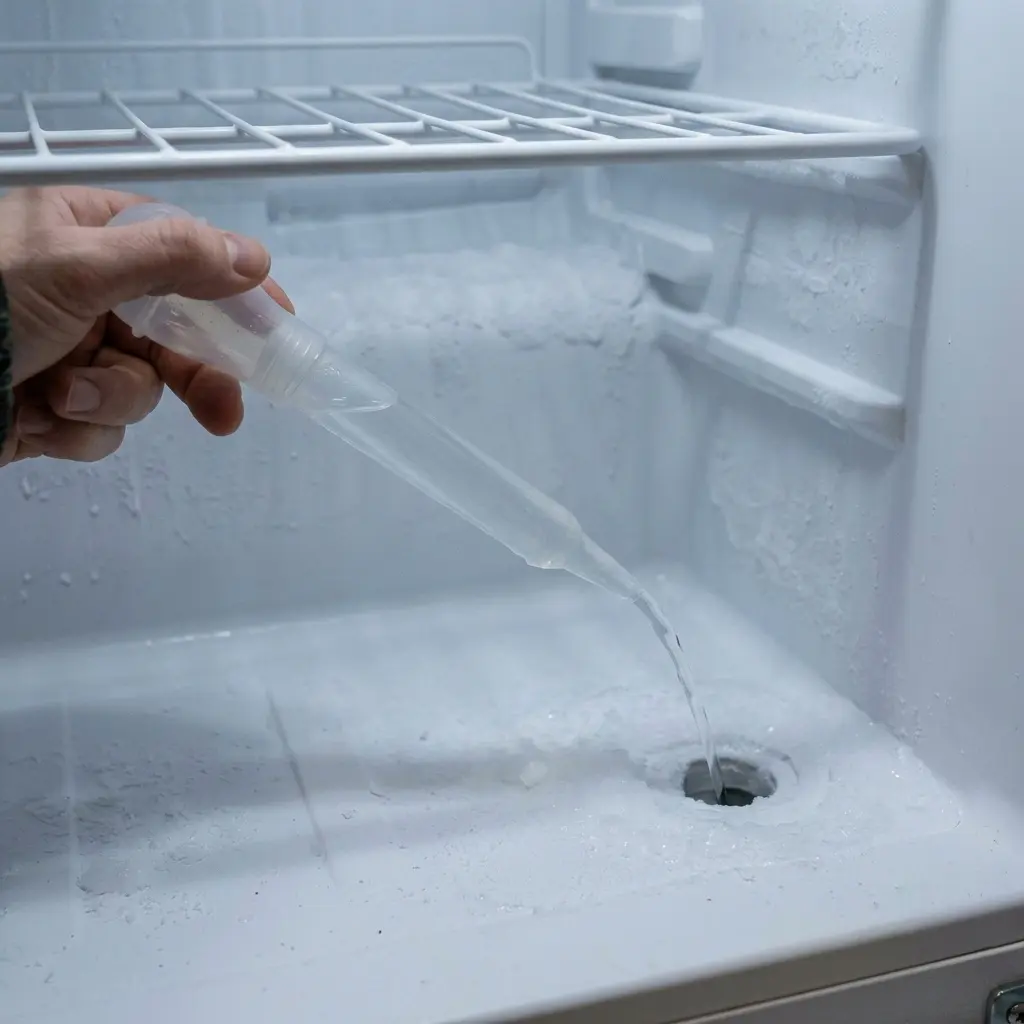
The small drain channel that carries defrost meltwater away from the evaporator area can become blocked with food debris or, more often, can freeze over itself if the defrost cycle isn’t fully warming that area. When this happens, meltwater has nowhere to go and refreezes right at the drain opening, which over repeated cycles builds outward into visible frost on the surrounding wall.
This is a genuinely easy DIY fix in most cases: warm water flushed carefully through the drain opening (located at the bottom of the freezer compartment on most LG models) can clear a minor ice blockage without needing to remove any panels at all. If warm water alone doesn’t clear it, a turkey baster with warm water aimed directly into the drain opening usually finishes the job.
Temperature Setting and Airflow Mistakes
A freezer set colder than necessary doesn’t directly cause frost, but it does make the compartment more sensitive to any moisture that does get in, since colder air holds less humidity and forces excess moisture to condense and freeze faster. LG generally recommends 0°F (-18°C) for the freezer compartment; going significantly colder than that without a specific reason often creates more frost-related symptoms, not fewer.
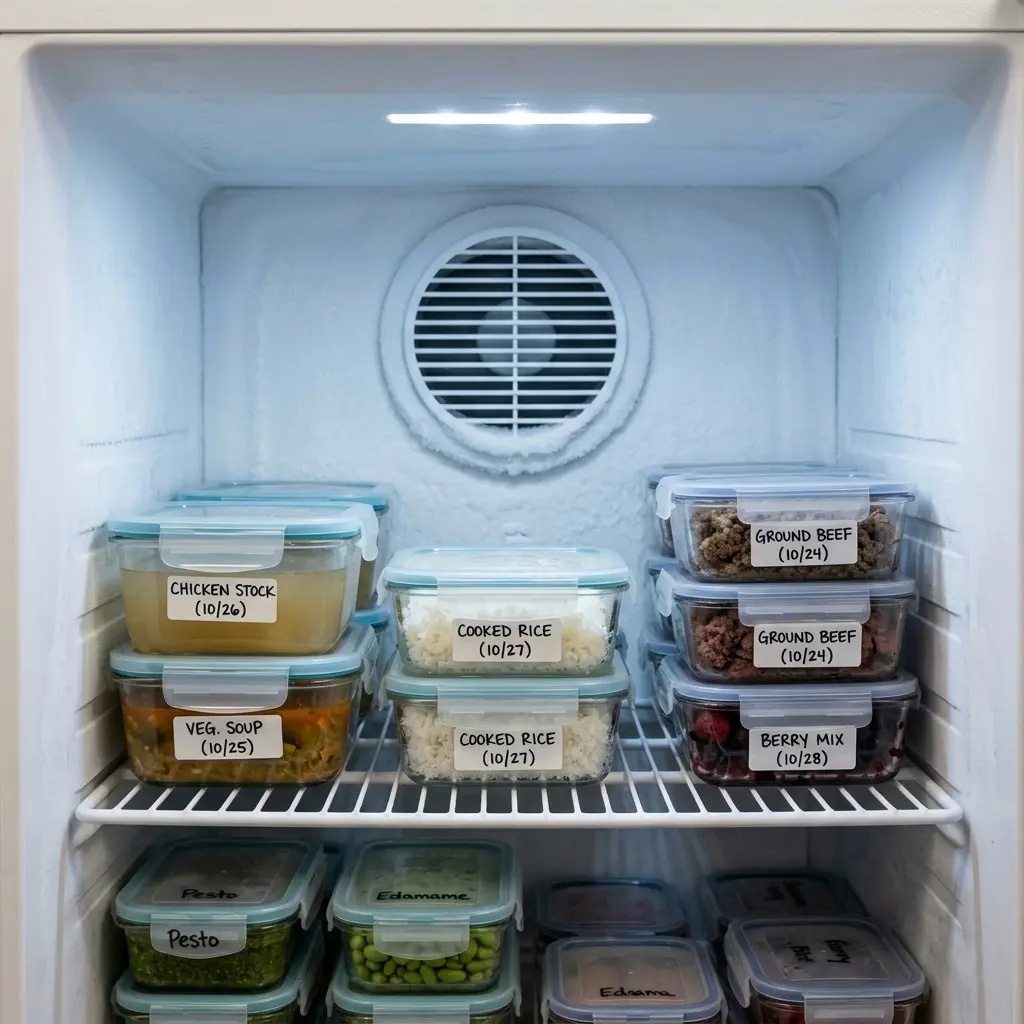
Overpacking the freezer or blocking the internal air vents with food containers pressed directly against the back wall is another commonly overlooked cause. Those vents circulate cold air evenly throughout the compartment, and blocking them creates localized cold spots where moisture concentrates and freezes precisely where airflow is being obstructed, often mistaken for a defrost system failure when it’s actually just a food storage arrangement.
Here’s a quick comparison of the four main causes and how to tell them apart before deciding which fix applies:
| Cause | Frost Pattern | Quick Test | DIY Difficulty |
| Door seal/gasket | Frost near door edges, uneven | Dollar bill test | Easy |
| Defrost heater/thermostat | Concentrated, back-center of wall | Listen to/feel for heater cycling | Moderate |
| Blocked drain line | Frost near bottom drain area | Check drain opening for ice | Easy |
| Airflow/overpacking | Frost near blocked vents specifically | Check vent clearance | Easy |
Step-by-Step: Clearing Existing Frost Safely
Once you’ve identified the likely cause, clearing existing frost buildup follows the same safe process regardless of which cause you’re addressing:
- Unplug the refrigerator and remove all food from the freezer compartment to a cooler.
- Leave the door open and allow frost to melt naturally over several hours; this is safer than manual scraping and won’t risk coil damage.
- Place towels at the base to absorb meltwater as it drains.
- Once fully melted, dry the interior completely before addressing the underlying cause identified above (gasket, drain, or airflow).
- Plug the unit back in and monitor over the next few defrost cycles (typically 24-48 hours) to see whether frost returns and where.
When It’s More Than a DIY Fix
If you’ve checked the door seal, cleared the drain, and corrected temperature and airflow issues, and frost still returns aggressively within a day or two, the adaptive defrost control board itself may need replacement. This is a board-level component rather than a simple part swap, and misdiagnosing a board failure as a heater or thermostat issue is one of the more common mistakes homeowners make, since the symptoms overlap significantly. At that point, it’s worth involving a technician who can test the board’s output directly rather than continuing to swap individual components by guesswork.
FAQ About LG Refrigerator Frost Buildup
1. Is a little frost on the freezer wall always a problem?
No, a thin, even frost layer that doesn’t interfere with door closure or noticeably grow between defrost cycles is generally normal and doesn’t require any action.
2. How often should the defrost cycle run on an LG refrigerator?
This varies by model and usage, but most frost-free LG units run defrost cycles multiple times per day automatically, and you generally won’t notice them happening unless something in the system isn’t working correctly.
3. Can overloading the freezer with food actually cause frost?
Yes, indirectly, overpacking blocks internal air vents, creating cold spots where moisture concentrates and freezes, which can look identical to a defrost system failure even though the fix is simply rearranging food storage.
4. Will replacing the door gasket myself void my warranty?
Gasket replacement is generally considered routine homeowner maintenance on most LG models, but it’s worth checking your specific warranty terms if the unit is still within its coverage period before doing any part replacement yourself.
5. How do I know if it’s the defrost heater versus the defrost thermostat?
The heater failing to engage at all versus the thermostat cutting it off too early produces a very similar frost pattern, and reliably telling them apart typically requires testing each component’s continuity individually rather than guessing from symptoms alone.
6. Is it normal for the drain to freeze occasionally even with everything working correctly?
Occasional minor drain freezing can happen even in a properly functioning unit, especially in very humid climates, and clearing it with warm water periodically as routine upkeep is a normal, not concerning, occurrence.
7. How long should I wait after fixing the cause before frost stops coming back?
Give it at least two to three full defrost cycles, roughly 24-48 hours, since a single cycle isn’t always enough to confirm whether the underlying cause has actually been resolved.
Final Word
LG refrigerator Frost buildup on the freezer wall almost always comes down to a door seal, the defrost system, a blocked drain, or airflow being restricted somewhere, and three of those four causes are genuinely easy DIY checks you can knock out in an afternoon without opening anything electrical. Work through the causes in order and confirm with the frost pattern, and you’ll usually find the fix well before you’d need to call anyone out.