
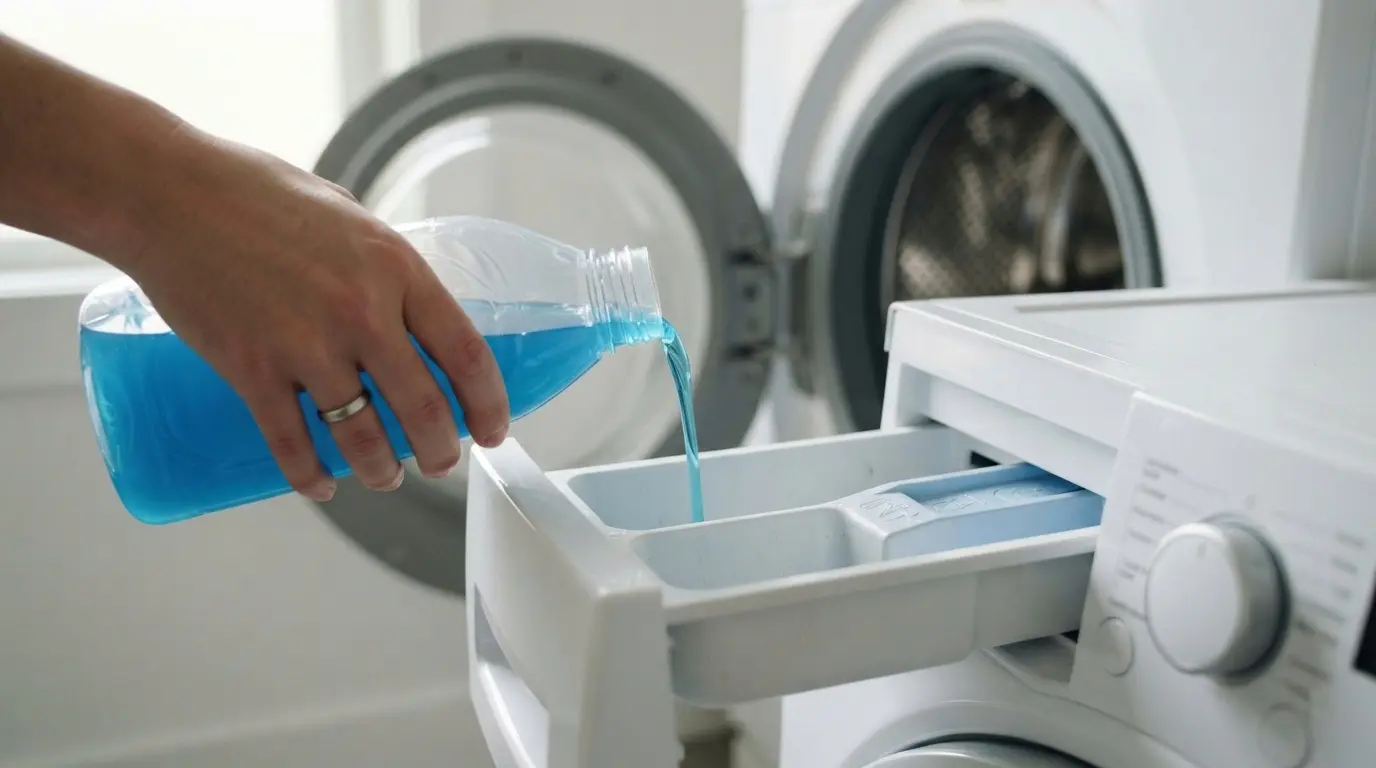
If your LG washer is leaving clothes stiff, dingy, or smelling faintly sour even though you’re using a “trusted” detergent brand, the problem usually isn’t your machine; it’s what your detergent is doing (or not doing) once it hits mineral-heavy water. Hard water changes the chemistry of a wash cycle enough that the wrong detergent can undercut everything else you’re doing right. In this guide, we discuss the best LG washing machine detergents for hard water areas.
Table of Contents
Why Hard Water Sabotages Detergent Performance
Hard water carries dissolved calcium and magnesium. When those minerals meet the surfactants in regular detergent, they bind together before the surfactant ever gets to work on your actual laundry. The result is a weaker cleaning solution than the bottle’s dosing chart assumes, because that chart is written for moderately soft water.
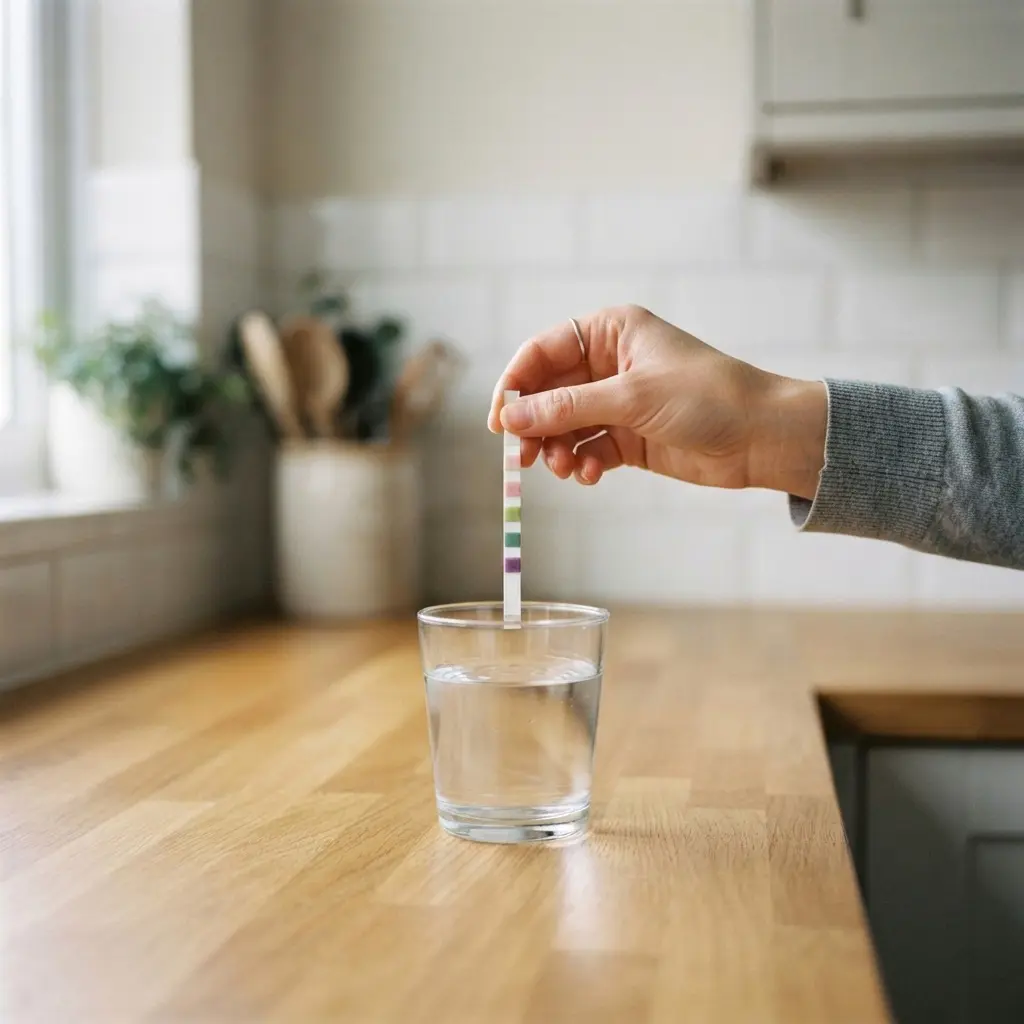
This is why two households running the same LG model, the same detergent, and the same cycle can get completely different results. A TDS water hardness test kit is a cheap way to confirm what you’re actually dealing with instead of guessing from your city’s average numbers, which can vary block to block depending on the source line.
In LG front-load and top-load models with AI DD or 6Motion technology, the wash algorithm calculates water fill and drum motion based on load sensing, not detergent chemistry. It has no way to detect that your detergent is being neutralized by minerals before it reaches the fabric. That’s entirely on the detergent formulation and dosing, not the machine.
What “Hard Water Ready” Actually Means in a Detergent
Not every detergent labeled “for hard water” earns that claim the same way. There are three mechanisms manufacturers use, and they’re not interchangeable:
- Chelating agents (like EDTA or citric acid derivatives) that bind to calcium and magnesium ions and keep them from attaching to surfactants
- Higher surfactant concentration that brute-forces past mineral interference by including more active cleaning agent per dose
- Built-in water softening compounds (zeolites or polycarboxylates) that soften the water itself as part of the wash
A detergent using only the second method, more surfactant, and no chelating, will clean acceptably in mildly hard water but struggles past roughly 180 mg/L hardness. If your water tests above that, you want a formula from the first or third category specifically.
Top Detergent Types for Hard Water in LG Washers
Here’s how the main hard-water-appropriate categories compare when used in LG washers specifically, factoring in HE compatibility (which is mandatory for LG’s low-water-usage cycles):
| Detergent Type | Hard Water Mechanism | HE Compatible | Best For | Watch-Out |
| Liquid, chelating-agent formula | Binds minerals directly | Yes | Moderate-to-hard water, mixed fabric loads | Slightly pricier per load |
| Powder with zeolite builder | Softens water pre-wash | Yes (most) | Very hard water, whites/towels | Can leave residue if overdosed |
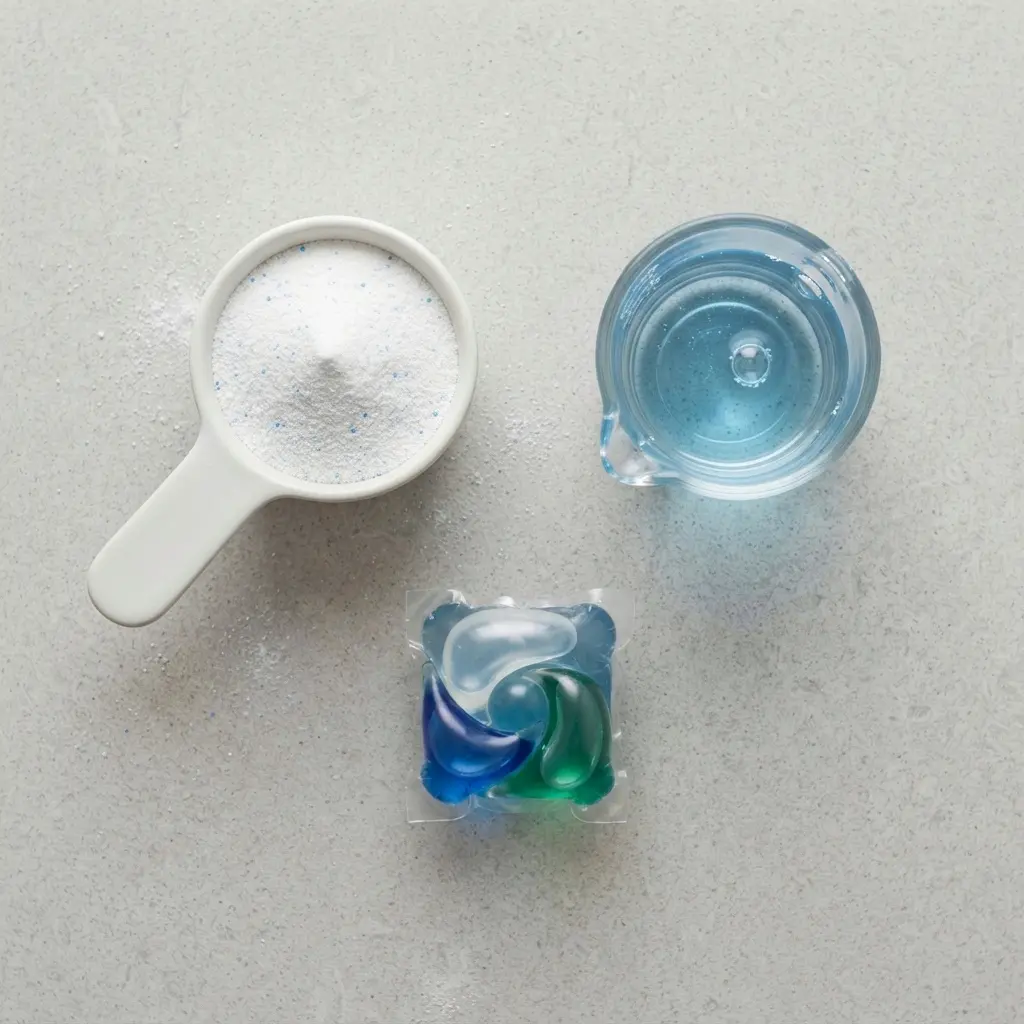
| Detergent pods, concentrated | Higher surfactant load | Yes | Convenience, light-to-moderate hardness | Weakest option above 250 mg/L hardness |
| Powder + separate water softener | Combined approach | Yes | Extremely hard water (well water, older plumbing) | Requires two products, more steps |
HE liquid laundry detergent with chelating agents tends to perform most consistently across LG’s full cycle range, including Steam and Allergiene cycles that use lower water volumes, where mineral concentration is effectively higher per wash.
For genuinely hard water, the kind that leaves visible scale on kettles and showerheads, powder with a zeolite builder generally outperforms liquid because the softening action happens before the surfactant needs to work at all rather than fighting minerals simultaneously.
Dosing Adjustments You Need to Make
This is the part most people skip, and it’s where a lot of “this detergent doesn’t work” complaints actually originate. Standard dosing charts on detergent packaging assume water in the 60–120 mg/L hardness range. If you’re above that, the fix isn’t switching brands again; it’s adjusting the amount.
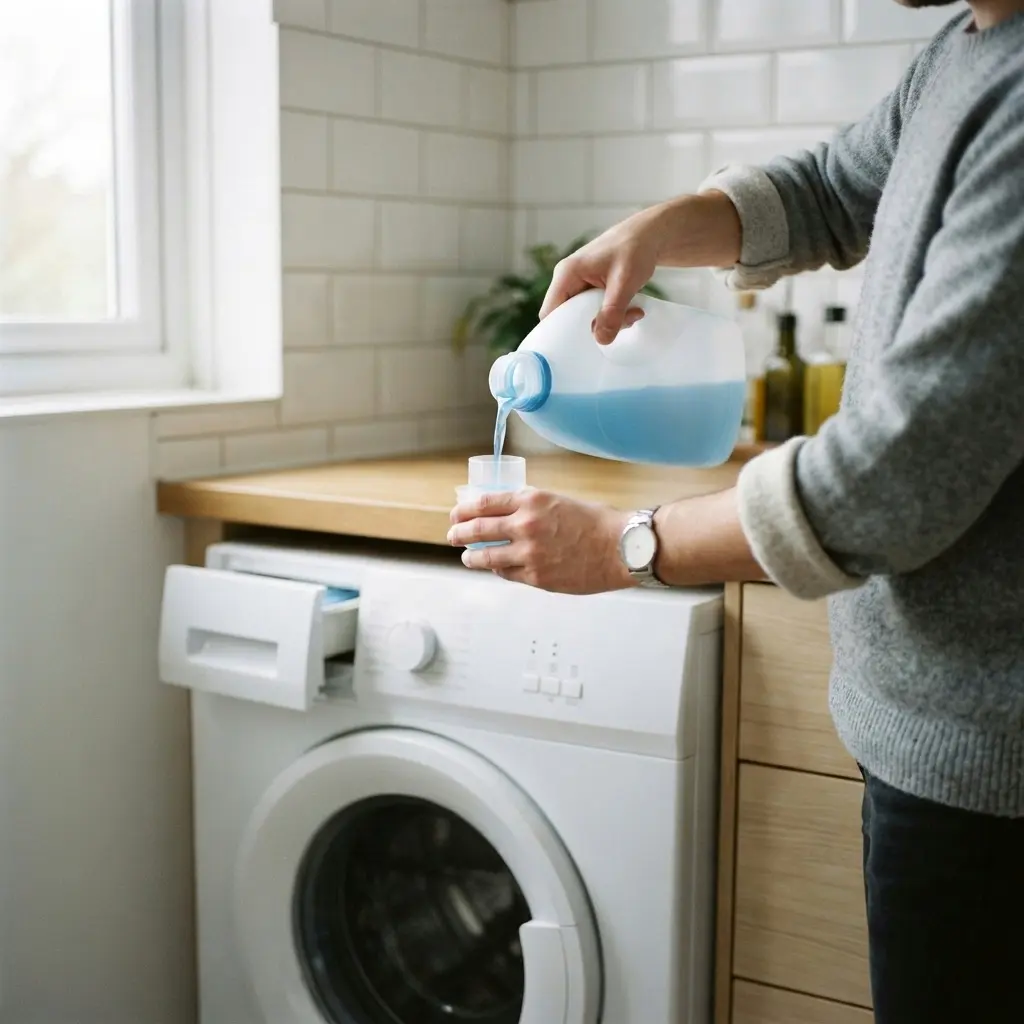
A rough working adjustment: for every 100 mg/L above the standard assumption, increase your dose by about 10–15%, up to a reasonable ceiling. Going past that ceiling stops helping and starts causing residue buildup, which shows up as stiff or grayish fabric, ironically the same symptom as underdosing, which is why people often get stuck in a cycle of guessing wrong in both directions.
LG’s own detergent drawer has separate compartments calibrated for specific fill volumes, so eyeballing “a bit extra” past the max line on liquid detergent caps can actually overflow into the wrong compartment and dose at the wrong point in the cycle. Measure with a proper cap or scoop, not intuition.
Powder vs. Liquid vs. Pods for Hard Water
Each format interacts with hard water differently once inside an LG drum:
Powder dissolves using the water already in the tub, so in very hard water it can occasionally leave undissolved granules on dark fabrics if the fill water is cold. Running a warm or allergen cycle with powder in hard water conditions solves this almost every time.
Liquid dissolves instantly regardless of water temperature, which makes it more forgiving on cold-wash cycles, but liquid formulas without chelating agents are the most likely of the three to underperform in genuinely hard water, since they rely entirely on raw surfactant volume.
Pods are the most convenient but the least adjustable; you can’t fine-tune dosing up for hard water without cutting the pod open, which most people won’t do and manufacturers don’t recommend. In water above roughly 250 mg/L, pods are the format most likely to leave you switching products out of frustration when the real fix was dosing, not brand.
The powder laundry detergent with zeolite for hard water is worth keeping on hand specifically for whites and towels. Even if you use liquid for everyday loads, mixing formats by load type is a common technician-recommended workaround rather than committing to one product for everything.
Signs Your Current Detergent Isn’t Working
A few field-tested tells that the issue is detergent versus hard water rather than the machine itself:
- Towels that feel stiff and scratchy straight out of the dryer, even on fresh ones
- A faint sour or mildew smell that returns within a day or two of wear, not from mold in the machine but from incomplete surfactant rinse-off
- Grayish or dull whites despite using a whitening or bleach-alternative formula
- Visible white residue on dark clothing near seams, which is mineral-bound detergent that never fully rinsed
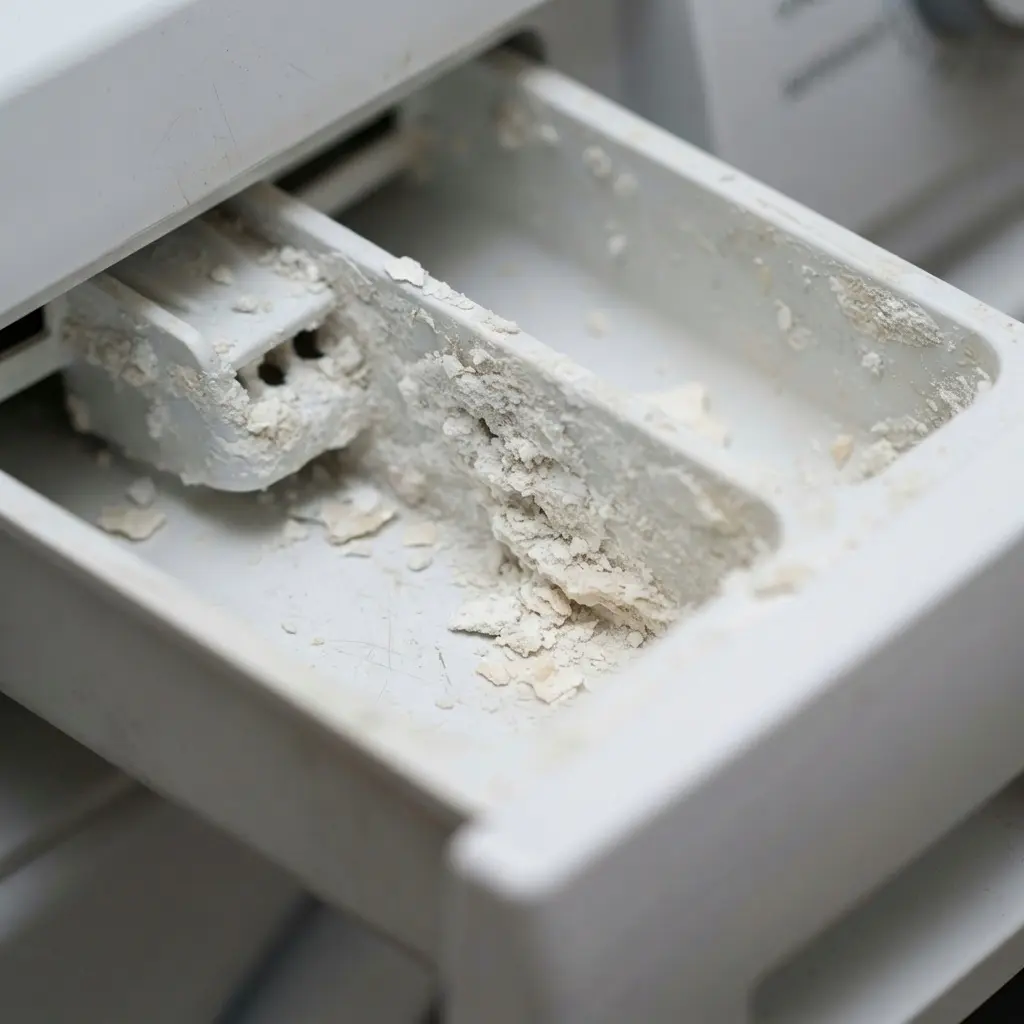
One thing worth checking before blaming the detergent entirely: pull open the detergent drawer and look for a chalky, crusted buildup inside the compartment itself, not just on clothes. If that’s present, it confirms the mineral interaction is happening at the dispenser level, and no detergent switch alone will fully fix it until that buildup is cleared.
Pairing Detergent With Water-Softening Additives
For water hardness on the extreme end, often associated with well water or older municipal lines, even the best hard-water-formulated detergent has a ceiling. At that point, a separate in-wash water softener additive, added alongside (not instead of) your regular detergent, is the more reliable fix than continuing to chase detergent brands.
These additives work by softening the water itself before the detergent’s surfactants engage, which is functionally what a whole-house softener does but on a per-load basis. It’s a reasonable middle step before committing to whole-house softening equipment, which is a separate and more expensive decision entirely.
LG Washing Machine Detergents: FAQ
1. Does LG make its own detergent formulated for hard water?
LG doesn’t manufacture detergent directly; it publishes HE detergent compatibility guidance but leaves hard-water-specific formulation to detergent brands. Any HE-labeled detergent with chelating agents or a zeolite builder will work correctly across LG’s model range.
2. Can I just use more of my regular detergent instead of switching formulas?
To a point, yes, a modest dosing increase helps. But past a certain hardness level, no amount of extra regular detergent compensates for the lack of a chelating or softening mechanism, and overdosing introduces its own residue problems.
3. Will hard water damage my LG washer over time if I don’t adjust my detergent?
Detergent choice alone won’t damage internal components, but persistent mineral buildup from insufficient detergent chemistry can accelerate scale accumulation in the dispenser and drum areas, which is a separate maintenance issue worth monitoring.
4. Is liquid or powder better for LG front-load machines specifically?
Both are HE-safe for front-load LG models. In hard water, powder with a zeolite builder generally has an edge, but liquid with chelating agents performs comparably and is more convenient for cold-wash routines.
5. How do I find out my actual water hardness number instead of guessing?
A basic at-home TDS or hardness test strip gives a usable reading in under a minute, and it’s far more reliable than going off general regional averages, since hardness can vary significantly even within the same city.
6. Do fabric softeners help offset hard water detergent problems?
Fabric softener addresses fabric feel, not the underlying mineral interference with surfactants, so it can mask stiffness without solving the actual cleaning shortfall. It’s not a substitute for the right detergent formulation.
7. Should I switch detergents immediately if I just moved to a hard water area?
Not necessarily immediately, first test your dosing adjustment with your current detergent for a wash or two. If stiffness and residue persist after correct dosing, that’s your signal to switch formulation type rather than just brand.
Final Word
Hard water doesn’t mean your LG washer is underperforming; it means the detergent chemistry needs to match the water you’re actually running through it. Test your hardness, pick a formula with a chelating agent or zeolite builder, adjust your dose deliberately instead of eyeballing it, and keep an eye on the dispenser drawer for early buildup signs before they turn into a bigger cleaning issue.