
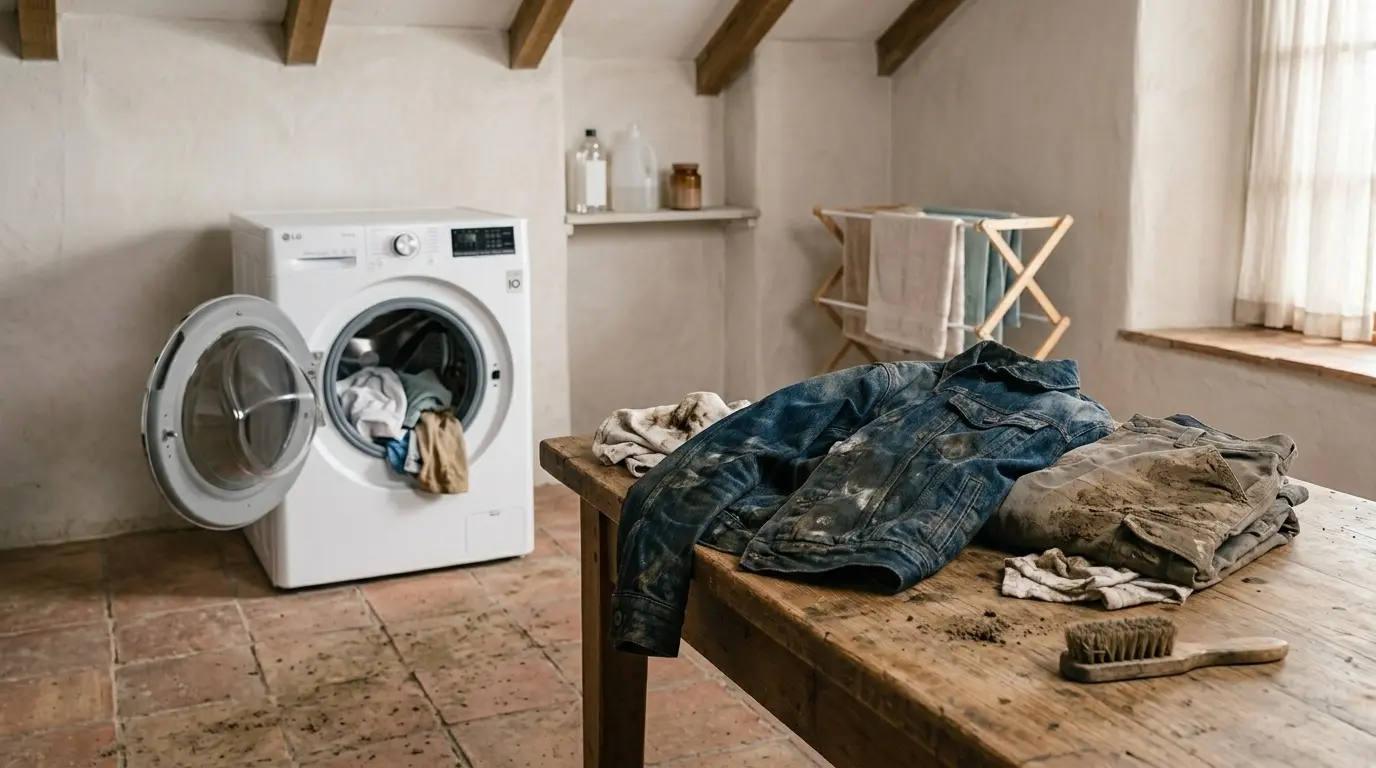
Mud comes out with patience. Grease comes out with the right chemistry. Combine both on the same pair of work pants, and most people end up running the same load twice with the same disappointing result because they’re treating two completely different stain types with one generic wash.
Table of Contents
Why Mud and Grease Stains Need Different Treatment Before They Ever Hit the Wash
Mud is particulate, dirt, clay, and organic matter sitting on top of and lodged inside fabric fibers. Grease is different entirely: it’s an oil-based stain that bonds to fabric at a molecular level, which is exactly why it doesn’t respond to plain water or agitation the way mud does.
This distinction matters more than most laundry advice admits. Treating a combined mud-and-grease stain with a single generic approach, tossing it straight into a normal cycle with extra detergent, usually only partially addresses one of the two problems and leaves the other one set deeper into the fabric by the heat of the wash itself.
👉 [Best LG Washing Machine Detergents for Hard Water] is worth checking if you’re also dealing with hard water on top of stubborn stains, since mineral interference compounds this exact problem.
Pre-Treating Mud Stains Correctly
The instinct to scrub mud immediately is the wrong one. Wet mud smears deeper into fabric fibers under pressure. The correct sequence is to let mud dry completely first, then brush off as much loose particulate as possible with a stiff brush before the item ever touches water.
Once the bulk of dry mud is brushed away, work a small amount of liquid detergent directly into the remaining stained area and let it sit for at least 15 minutes before washing. This gives the surfactants time to start breaking down the residual clay and organic matter that brushing alone can’t remove.
stiff-bristle stain removal brush makes this step significantly faster than trying to use a regular clothes brush, since the bristle stiffness needed to lift dried clay from denim or canvas work pants is different from what’s used for general lint removal.
Pre-Treating Grease and Oil Stains Correctly
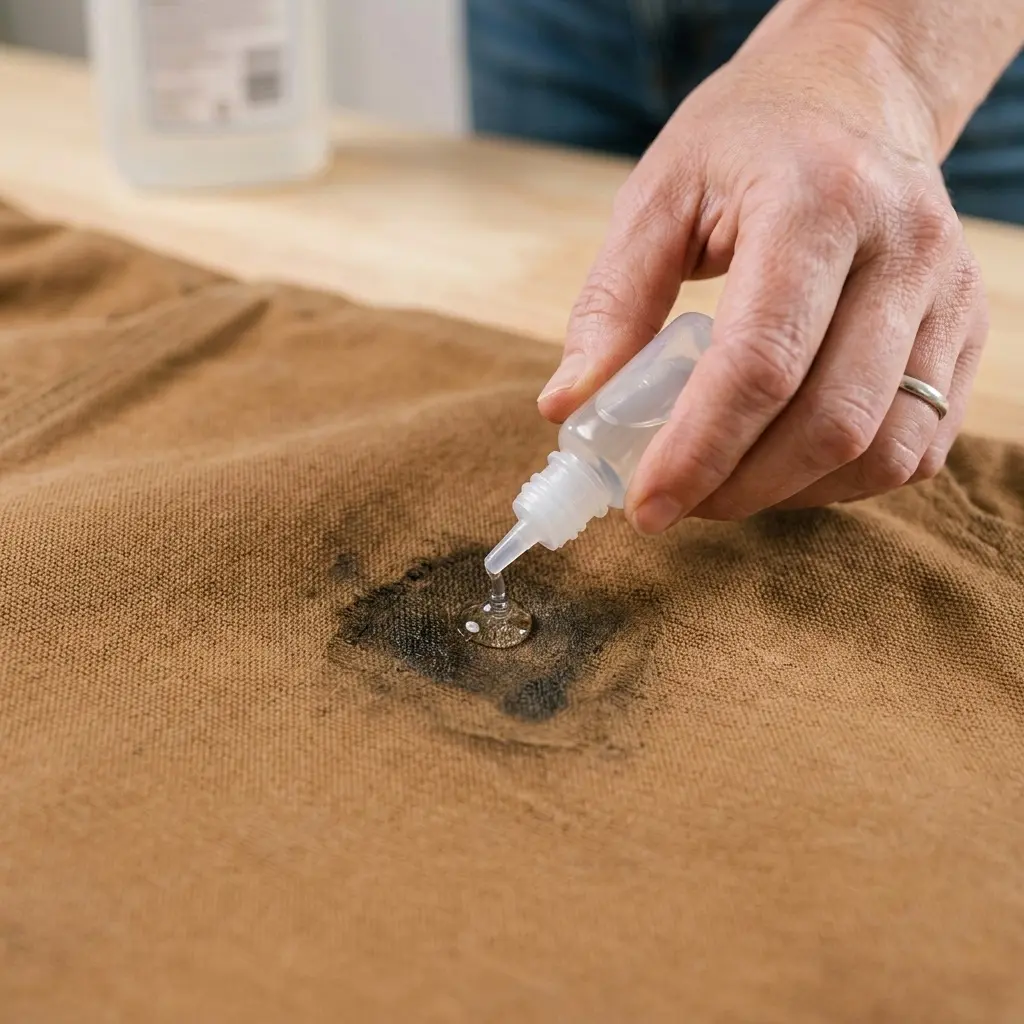
Grease requires the opposite instinct from mud: treat it as soon as possible, before it has time to fully set and oxidize into the fabric. The most reliable pre-treatment most technicians and serious laundry-focused sites recommend is applying a small amount of liquid dish soap directly to the grease stain. Dish soap is formulated specifically to break down oils and grease, which is precisely why it outperforms most standard laundry detergents on this particular stain type.
Work the dish soap into the fabric gently with your fingers or a soft brush, focusing on the stain’s exact outline rather than the surrounding fabric, and let it sit for at least 10-15 minutes before washing. For heavier automotive or machine grease specifically, a second application after the first wash cycle, checking the stain before it goes into the dryer, catches residue that a single treatment sometimes misses.
Heavy-duty grease and oil stain remover spray is worth keeping specifically for automotive-grade grease, which tends to be more stubborn than food-based or general mechanical grease and often needs a stronger pre-treatment than dish soap alone provides.
Which LG Cycle Actually Handles This Combination Best
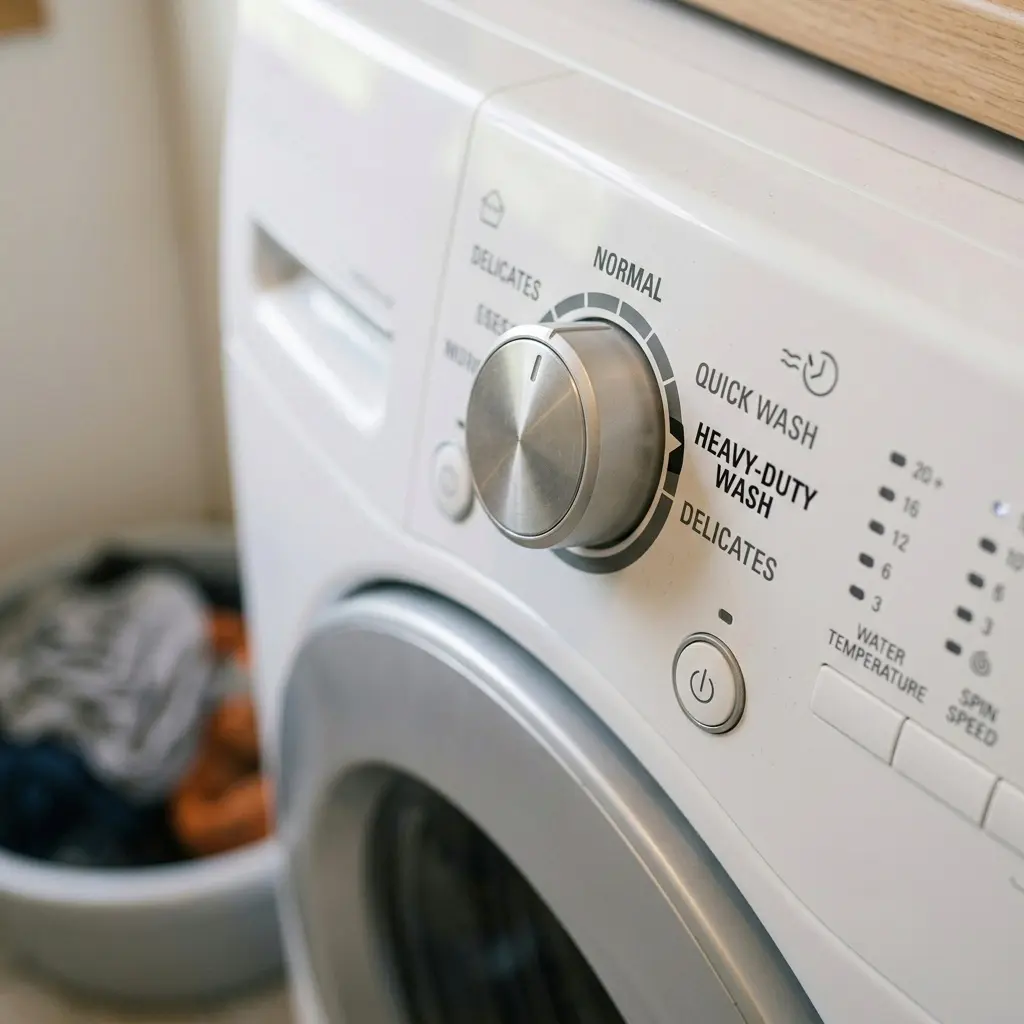
LG’s Heavy Duty cycle is built specifically for this kind of load; it runs a longer wash time with more aggressive agitation than a Normal cycle, which matters because both mud particulate and pre-treated grease need mechanical action, not just soak time, to actually lift out of the fabric weave.
On models equipped with it, the Allergiene cycle can also help with this combination, since it uses a longer, higher-heat phase that assists with grease breakdown specifically, though it’s worth noting this cycle takes considerably longer and isn’t necessary for lighter mud-only loads.
Here’s a comparison of LG’s relevant cycles for this specific stain combination:
| Cycle | Agitation Level | Best For | Not Ideal For |
| Normal | Standard | Everyday light soil | Heavy mud or set grease |
| Heavy Duty | High, extended time | Combined mud and grease, denim/canvas | Delicate fabrics |
| Allergiene | High heat, extended | Deep-set grease, sanitizing | Time-sensitive loads |
| Bulky/Bedding | Low, gentle | Not suited to this stain type | Mud and grease loads |
One thing worth knowing: running work clothes on heavy duty every single time, even for lightly soiled items, causes more wear on fabric over time than necessary. Reserve it specifically for loads with visible, set-in mud or grease rather than making it your default cycle for all work clothing.
Water Temperature: The Detail Most People Get Backwards
This is where a lot of well-intentioned laundry advice gets it wrong for this specific stain combination. Hot water is often recommended for tough stains in general, but hot water can actually set grease stains further if the pre-treatment step above wasn’t done first, because heat causes oil-based stains to bond more permanently to fabric fibers rather than lifting them out.
The correct approach: pre-treat both stain types cold or at room temperature as described above, then wash in warm water (not hot) on Heavy Duty. Warm water is hot enough to help the pre-treatment continue working without being hot enough to risk setting any grease residue that wasn’t fully broken down before. Reserve genuinely hot water washes for after you’ve confirmed both stains have already lifted, if a final sanitizing wash is needed for hygiene reasons on heavily soiled workwear.
Drying Mistakes That Lock Stains In Permanently
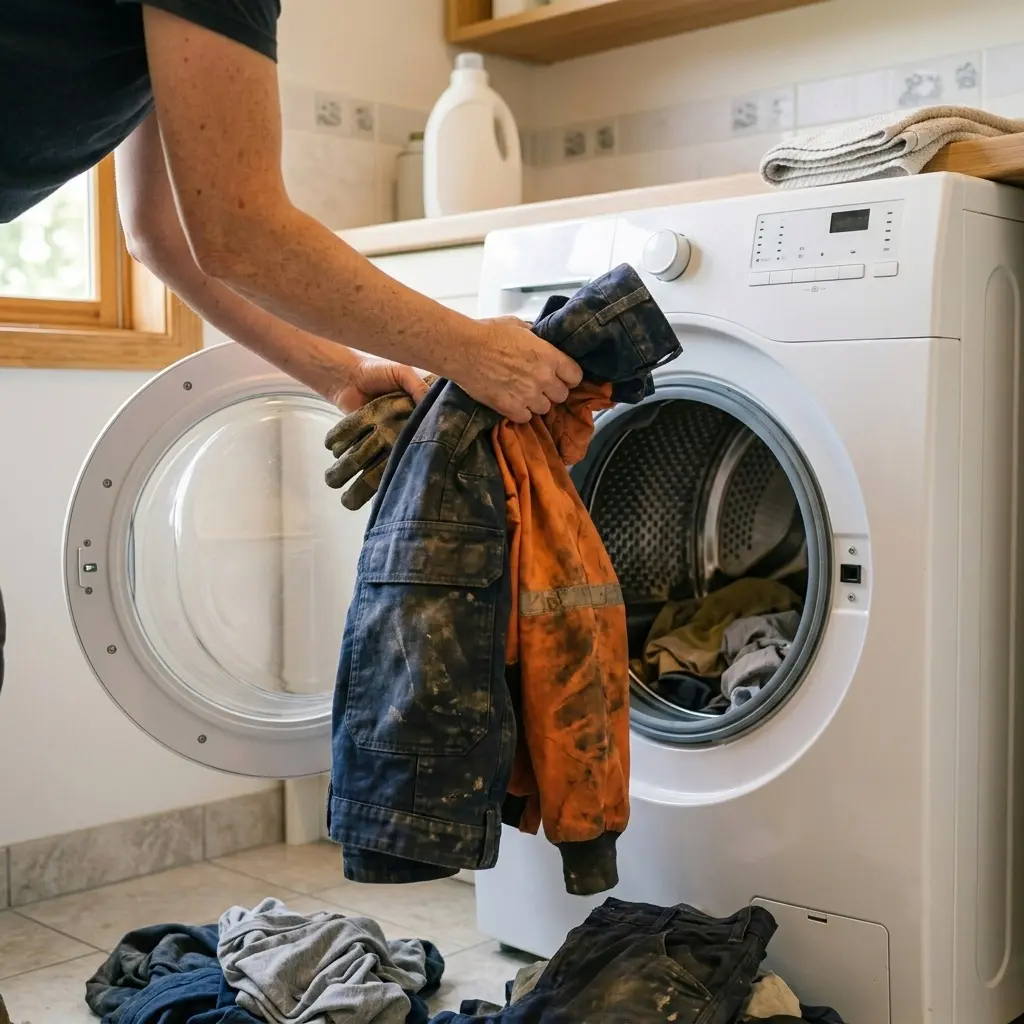
This is the step that ruins otherwise-successful stain treatment more often than anything covered above. Never dry a garment on heat until you’ve confirmed the stain is actually gone; dryer heat does to residual stains exactly what hot water does, permanently setting whatever wasn’t fully removed during the wash.
Check the stained area in good light before loading anything into the dryer. If any shadow of the original mud or grease stain remains, repeat the pre-treatment and wash step rather than drying and hoping a second wash later will finish the job. Once heat sets a stain, it becomes dramatically harder to remove even with the same treatment that would have worked before drying.
FAQ
1. Can I wash mud and grease stains together in the same load?
Yes, as long as each is pre-treated appropriately beforehand, mud brushed off dry and spot-treated with detergent, grease treated with dish soap, before combining them in a single Heavy Duty wash.
2. Does LG’s Heavy Duty cycle use more water than Normal?
It typically uses a comparable or slightly higher water level to support the extended agitation time, though the exact figure varies by model, and the main difference is wash duration and mechanical action rather than water volume alone.
3. Is dish soap safe to use inside an LG washing machine along with regular detergent?
A small amount applied directly to a stain as a pre-treatment before washing is generally fine, but dish soap itself shouldn’t be added directly into the detergent dispenser in larger quantities, since it can produce excessive suds in an HE machine.
4. What if the grease stain is old and has already been through the dryer once?
Set grease stains take considerably more effort, repeated dish soap pre-treatment and heavy-duty washes, checking between each cycle, since a single treatment is unlikely to fully lift a stain that’s already been heat-set.
5. Should I use bleach on stubborn mud or grease stains on work clothes?
Bleach can help on white or bleach-safe colored workwear specifically for certain stain types, but it’s not effective on grease the way it is on organic staining, and it should never be used as a substitute for proper pre-treatment.
6. Does the Allergiene cycle work on all LG washer models?
No, this cycle is available on select LG models rather than the full lineup, so it’s worth checking your specific model’s cycle options before planning to rely on it for grease-heavy loads.
7. How often can I run Heavy Duty cycles without damaging fabric?
Reserving it for genuinely soiled loads rather than using it as a default setting for all laundry is the general guidance since the extended agitation time does contribute to more fabric wear over repeated heavy-duty use compared to a normal cycle.
Final Word
Mud and grease stains need opposite instincts: let mud dry and brush it off, and treat grease immediately with dish soap. Both need the mechanical action of LG’s Heavy Duty cycle plus warm, not hot, water to actually lift out rather than set in. Check before you dry, and you’ll stop losing the same stain fight twice on the same pair of work pants.