
Table of Contents
Samsung Refrigerator Pros, Cons, and Smart Features
Samsung makes some of the most talked-about refrigerators on the market right now, but “talked about” and “right for you” are two very different things. Before you spend a significant amount on a new fridge, you deserve a genuinely honest look at what Samsung gets right, what it gets wrong, and which households will love it versus which ones will regret it.
In 2026, Samsung’s refrigerator lineup has evolved significantly. The Bespoke series now dominates their premium range, Family Hub has matured into a genuinely useful smart platform, and their Digital Inverter Compressor technology has become more refined and reliable than earlier generations. But some long-standing criticisms, particularly around ice makers and repair accessibility, are still worth knowing about before you buy.
This guide covers everything: the real pros, the real cons, every major smart feature explained without the marketing language, a head-to-head comparison against LG, Whirlpool, and Bosch, and a clear final verdict. Let’s be straight with you from the start: Samsung fridges are excellent for some buyers and genuinely wrong for others. By the end of this guide, you’ll know exactly which camp you’re in.
👉 [INTERNAL LINK: Samsung vs LG Refrigerator, Full Brand Comparison 2026]
Pros of Samsung Refrigerators in 2026
1. Digital Inverter Compressor, Efficient and Whisper-Quiet
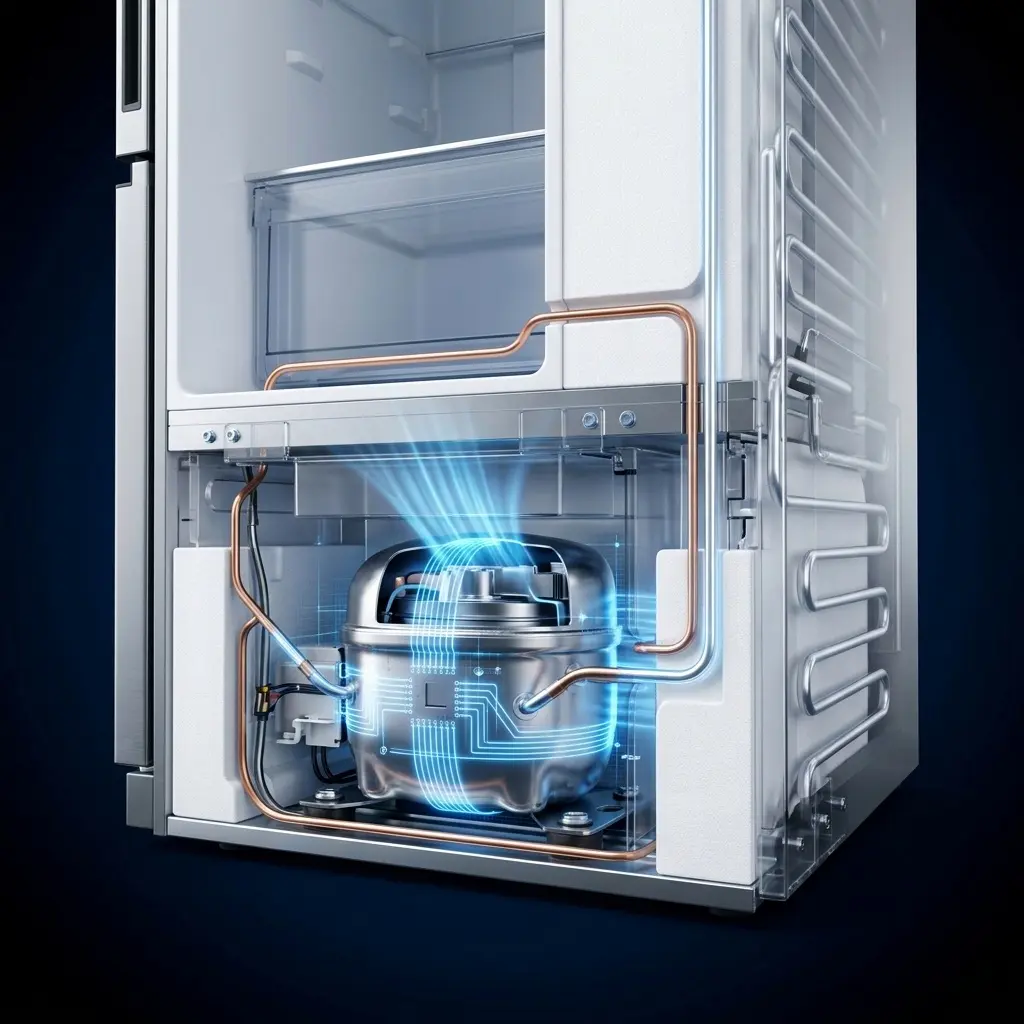
Samsung’s Digital Inverter Compressor is one of the strongest arguments for buying a Samsung fridge. Unlike traditional single-speed compressors that switch on at full power and then shut off, the digital inverter adjusts its speed continuously based on the cooling demand at any given moment.
The practical result: the compressor runs more of the time, but at lower speeds, consuming significantly less electricity and generating far less noise. Samsung claims up to 50% energy savings compared to conventional compressors, and in independently tested models, noise levels sit between 32 and 38 dB, which is barely audible in a quiet kitchen.
- 10-year warranty on the Digital Inverter Compressor across most 2026 models
- Continuous variable speed operation reduces temperature fluctuations inside the fridge
- Less mechanical stress means fewer breakdowns over the compressor’s lifespan
💡 Real-World Note: The energy savings are most pronounced in households where the fridge door is opened frequently; the inverter recovers temperature faster and more efficiently than a conventional compressor after each door opening.
2. Twin Cooling Plus, Better Food Freshness
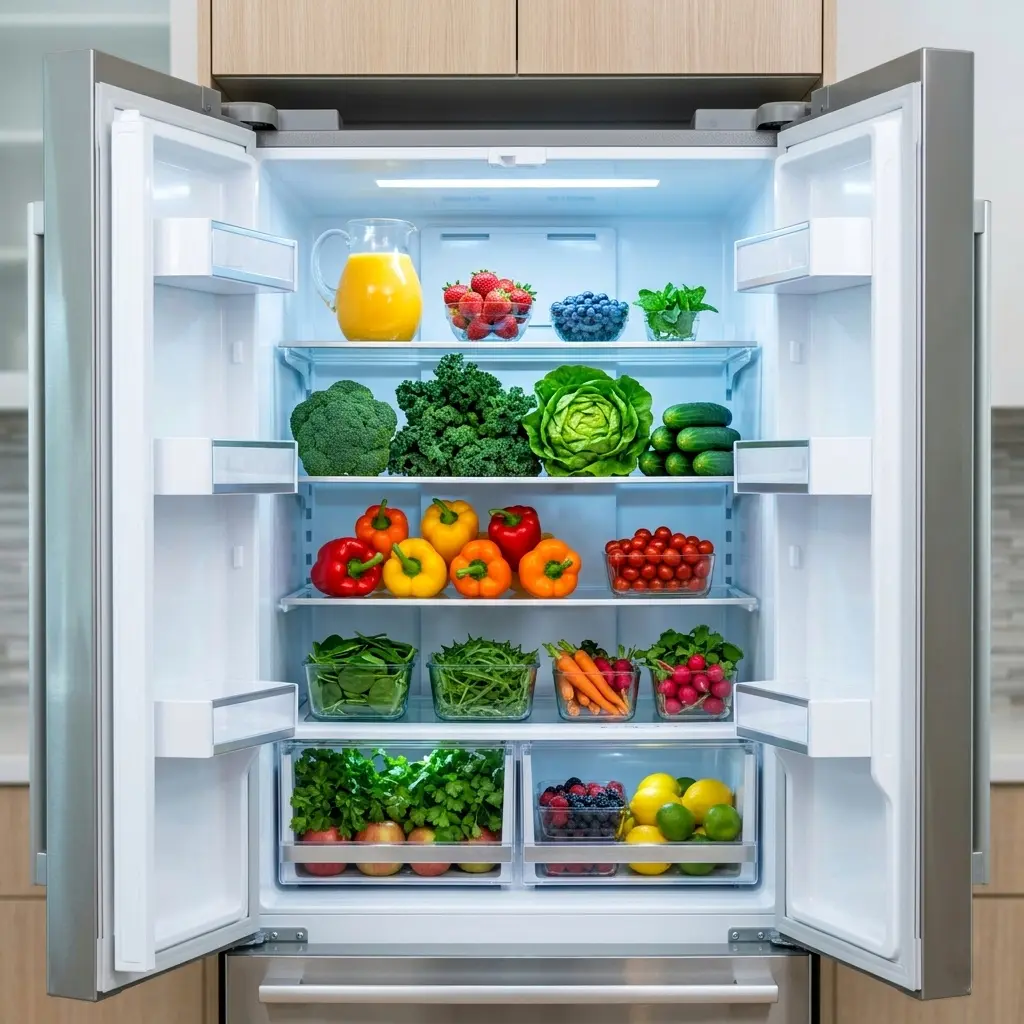
Twin Cooling Plus uses two separate evaporators, one for the fridge and one for the freezer. This means the two compartments have completely independent airflows and humidity levels, which solves two problems that single-evaporator systems have always struggled with.
First, odors from the fridge don’t migrate into the freezer; your ice cubes don’t taste like last night’s dinner. Second, the fridge compartment maintains higher humidity levels, which keeps fruits and vegetables fresh noticeably longer than a standard single-evaporator system.
- Independent humidity control in the fresh food compartment
- No odor crossover between fridge and freezer
- More stable temperatures throughout the fridge, fewer hot and cold spots
3. Family Hub: A Smart Home Centre in Your Kitchen
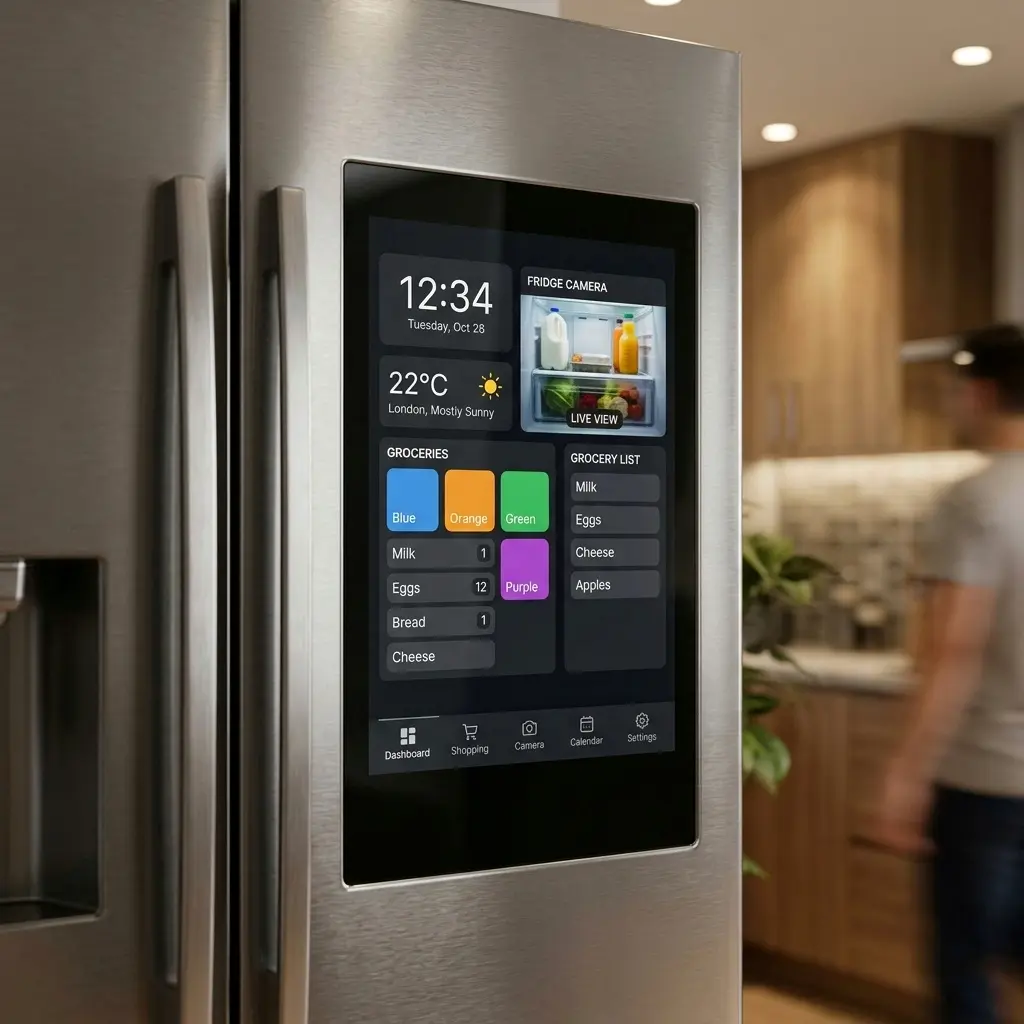
Samsung’s Family Hub turns the refrigerator door into a genuine smart home control point. The built-in touchscreen lets you stream music and video, see inside the fridge through internal cameras without opening the door, manage grocery lists, and control other SmartThings-compatible devices in your home.
In 2026, Family Hub has added AI-powered meal planning that suggests recipes based on what’s actually in your fridge, visible through the internal cameras. It’s genuinely clever, and for tech-oriented households, it’s one of the most practical implementations of smart fridge technology available from any brand. The
- View Inside feature shows fridge contents remotely via smartphone, useful while grocery shopping
- Voice control via Bixby and Amazon Alexa integration
- Door-in-Door and Auto Fill water pitcher available on select Family Hub models
If you want to know more, read this: Samsung Family Hub Refrigerator 2026: AI Features & Hands-on Review To Save Your Grocery
4. Bespoke Design, Genuinely Customizable
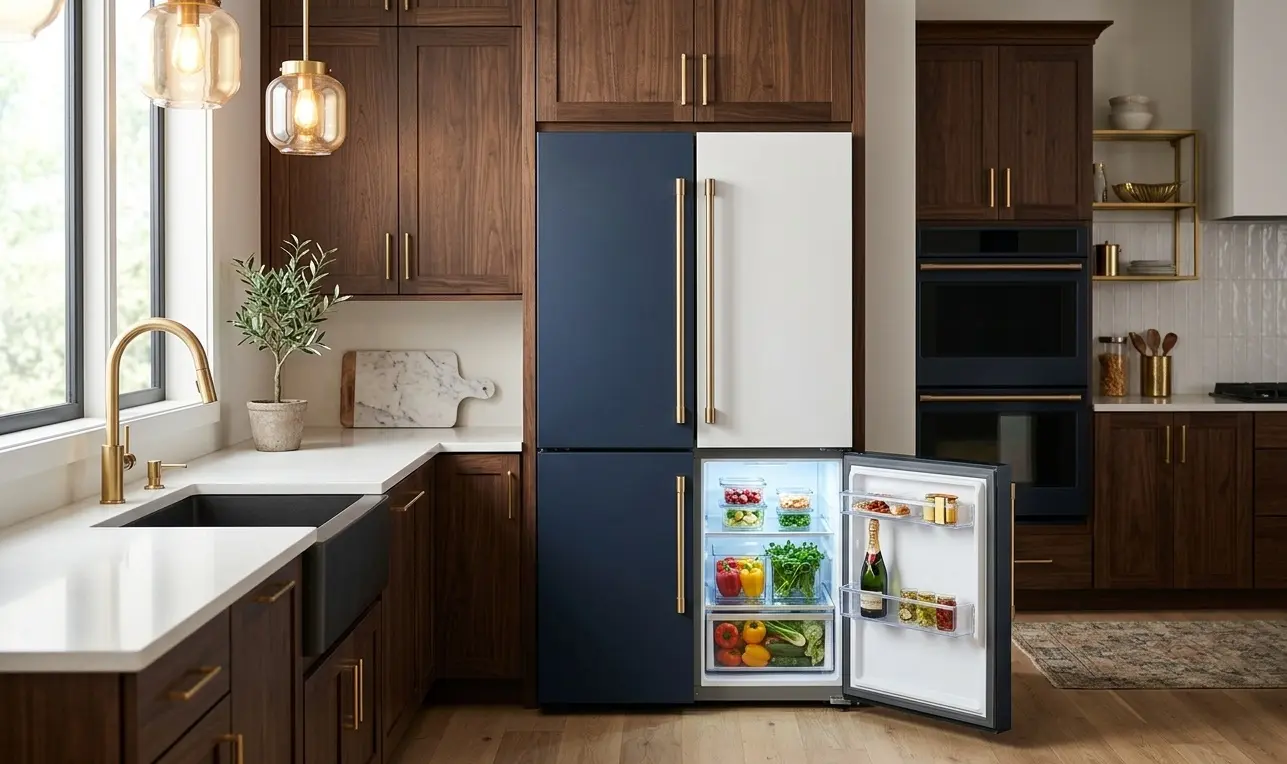
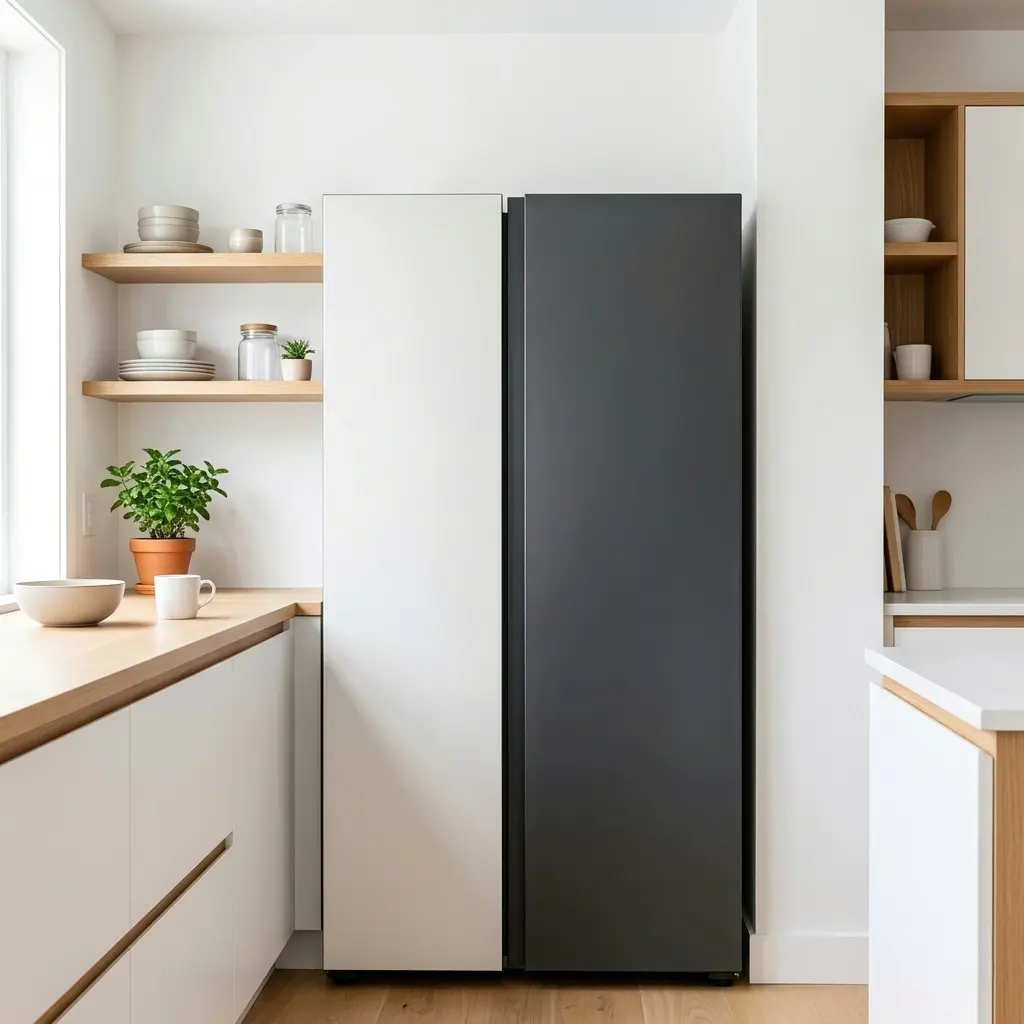
The Bespoke lineup is Samsung’s answer to the question: Why do all fridges look the same? With Bespoke, you choose individual panel colors and finishes for each section of the fridge: matte white, matte black, charcoal, rose, navy, and more, depending on your market.
This isn’t just cosmetic novelty. The modular panel system also means you can replace a single panel if you redecorate or move house, rather than buying a new appliance. It’s a practical flexibility that no other major brand currently matches at scale.
- Mix and match panel colors across fridge, freezer, and flex zone sections
- Panel replacement available separately; no need to replace the whole unit
- Counter-depth Bespoke models available for smaller kitchens
If you want to know more, read this: Samsung Bespoke AI Refrigerator 2026: Better Than a French Door?
5. FlexZone, Adaptable Storage for Real Life
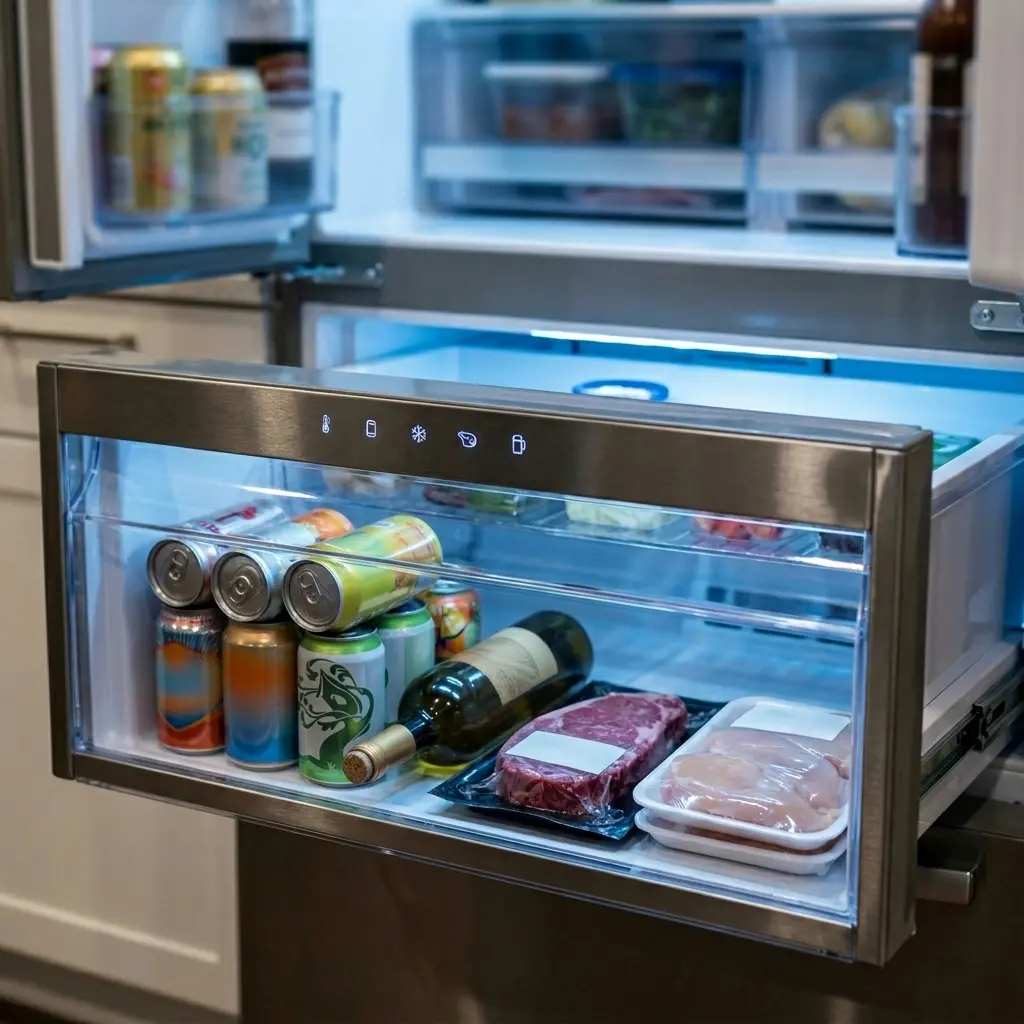
The FlexZone drawer, available on 4-Door Flex and select other models, can switch between five temperature modes: freezer, soft freezer, chilled meat, cold drinks, and fridge. With a tap on the control panel, you convert the space based on what you need that week.
This is particularly useful for families whose storage needs change seasonally, more freezer space around the holidays, and more chilled drink space in summer. It’s a feature that sounds like a marketing gimmick but genuinely earns its keep in day-to-day use.
Cons and Honest Drawbacks to Consider
1. Ice Maker Reliability, Still an Area to Watch
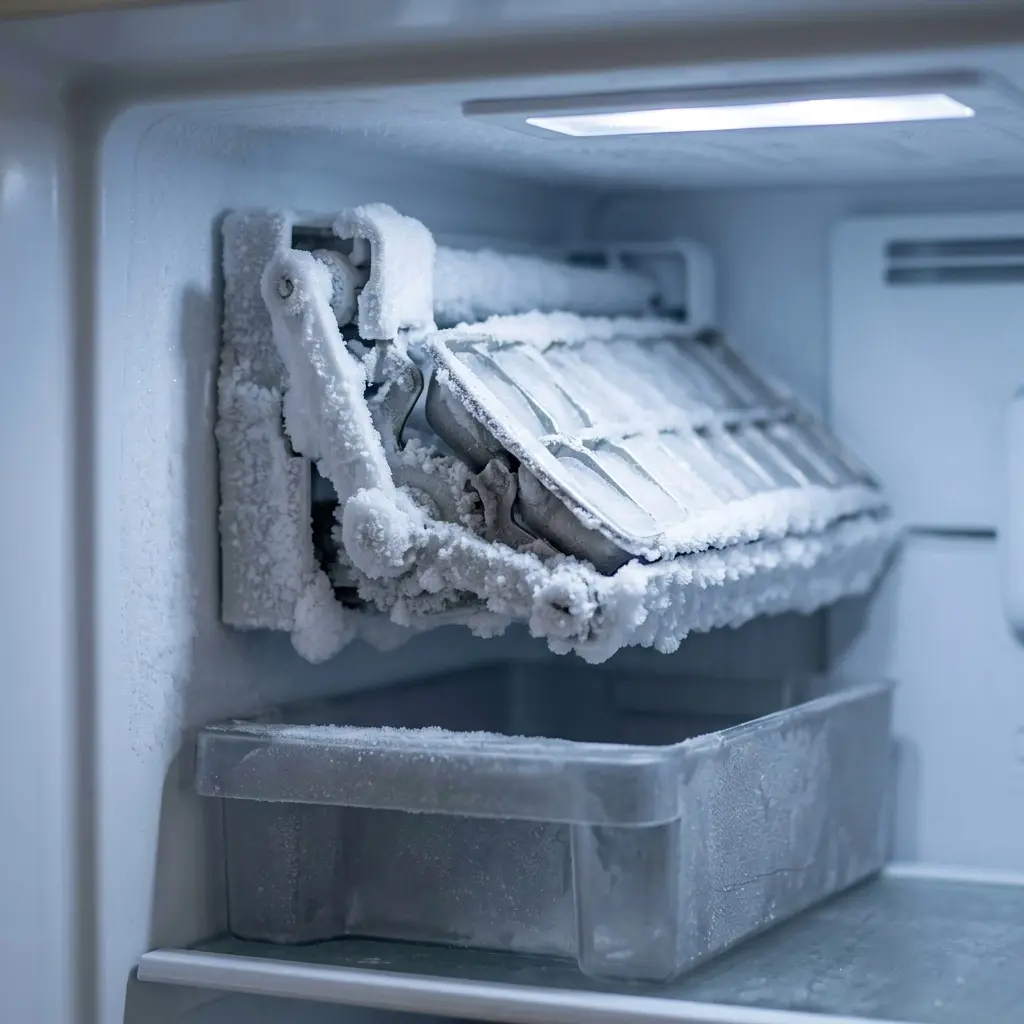
This has been the most persistent criticism of Samsung refrigerators for the better part of a decade, and it’s still worth flagging in 2026. Samsung’s ice makers, particularly in French door models, have a history of freezing over, producing hollow cubes, or stopping production entirely after the first year or two.
Samsung has made meaningful improvements to the ice maker design in their 2024 and 2025 models, and early 2026 reports are more positive. But if you’re buying an older Samsung model second-hand or choosing between a Samsung and a competitor where the ice maker matters to you, this history is worth knowing.
⚠️ Practical Advice: If ice maker reliability is a top priority, choose a Samsung model with the updated dual ice maker design released from late 2024 onward. Avoid older Family Hub models with the single ice maker in the upper door.
If you face this issue, read this: [Samsung Ice Maker Not Working, Complete Fix Guide 2026]
2. Price, Premium Cost, Premium Expectations
Samsung refrigerators sit firmly in the mid-to-high price range. You’re not just paying for cooling capability; you’re paying for the smart features, the design engineering, and the brand premium. For buyers who don’t need Family Hub, Bespoke panels, or FlexZone, that premium may not be justified.
Whirlpool and Haier offer reliable cooling performance with solid warranties at significantly lower price points. If your priority is simply a dependable, well-cooled fridge that lasts, without the tech features, Samsung’s pricing puts it at a disadvantage in that comparison.
3. Repair Accessibility and Service Network
This is a genuine practical concern that varies significantly by location. Samsung’s service network is strong in major urban areas and most developed markets, but buyers in rural areas or smaller markets report longer wait times and limited availability of genuine parts.
Samsung uses proprietary components in many of their smart systems, control boards, sensor arrays, and ice maker assemblies that aren’t interchangeable with other brands. If a repair requires a certified technician with access to Samsung parts, living outside a well-serviced area can mean extended downtime.
- Always check Samsung’s service center availability in your specific area before purchasing
- An extended warranty from Samsung is worth considering if local service coverage is limited
- For rural buyers or markets with thin service networks, LG or Whirlpool may offer more accessible repair support
4. Software Updates and Long-Term Smart Feature Support
Family Hub runs on a smart home platform that requires ongoing software support. Samsung has a reasonable track record here, but smart fridges bought in 2019 and 2020 have seen some features become unavailable or degraded as app compatibility shifted. It’s not a reason to avoid Samsung, but it’s worth understanding that a connected appliance has a software lifespan that doesn’t necessarily match its hardware lifespan.
5. Bulky Footprint on Larger Models
French door and 4-door Flex Samsung models are wide and deep. Standard depth models typically need 36 inches of width and significant depth clearance at the back. If your kitchen has a compact layout or specific alcove dimensions, a Samsung counter-depth model is essential, and counter-depth options within the Bespoke line are more limited than standard depth.
Samsung Smart Features Explained
Family Hub Touchscreen
A large touchscreen on the right fridge door that runs Samsung’s smart home platform. You can see inside the fridge via cameras without opening it, manage grocery lists, stream Spotify or Netflix, control SmartThings devices, and receive expiry date alerts. In 2026, AI meal planning has been added; it scans the internal cameras and suggests recipes based on what you have.
- Best for: households that cook regularly and want recipe and grocery integration
- Honest assessment: genuinely useful if you engage with it, a very expensive door panel if you don’t
SmartThings App Integration
All Wi-Fi-enabled Samsung fridges connect to the SmartThings app, which gives you remote temperature monitoring, door open alerts, energy usage tracking, and remote diagnostic access. Unlike Family Hub, SmartThings is available on mid-range models without the touchscreen; it’s the more broadly accessible smart feature.
- Remote temperature adjustment and monitoring from anywhere
- Door left open notification, useful for households with children
- Energy usage history so you can track month-on-month consumption
AI Energy Optimization
In Samsung’s 2026 models, the SmartThings Energy platform uses machine learning to analyze your usage patterns, when you open the fridge most, how long the door stays open, and your household’s peak demand times and adjusts cooling cycles accordingly. Samsung claims up to 15% additional energy savings on top of the baseline inverter efficiency.
View Inside Cameras
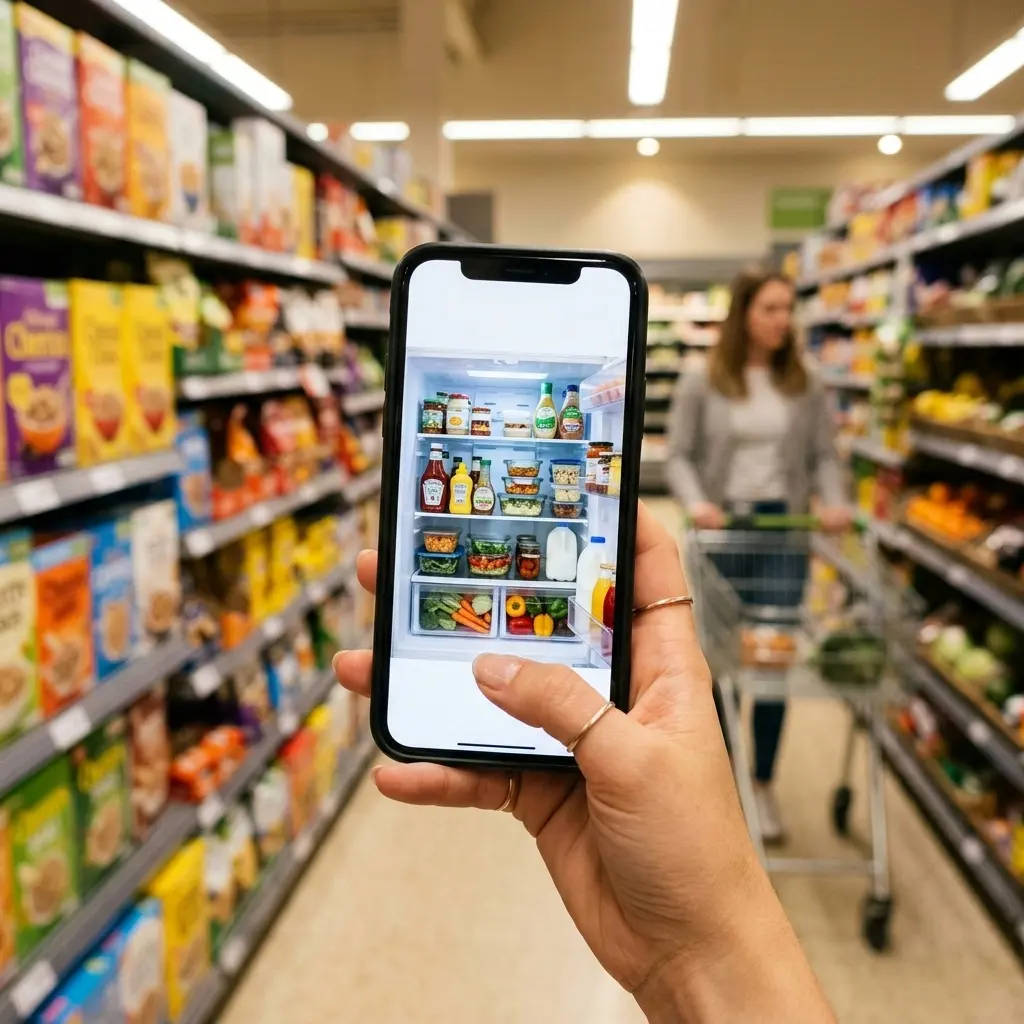
Three internal cameras take a photo every time the fridge door closes. You can see exactly what’s in your fridge from your phone while you’re at the supermarket. The image quality in 2026 models is excellent, and the AI can now identify specific food items and flag ones approaching their use-by date.
💡 Practical Use: The cameras are most useful for frequent shoppers who tend to over-buy certain items. Seeing exactly what’s in the fridge before you shop genuinely reduces food waste over time.
Beverage Center and AutoFill Water Pitcher
Select 2026 Samsung models include a dedicated Beverage Center, a small door-in-door compartment on the right side of the fridge specifically designed for drinks, with its own temperature setting. The AutoFill water pitcher sits in a docking station connected to the water line and refills itself automatically to a set level.

How Samsung Compares to LG, Whirlpool, and Bosch
Here’s how Samsung stacks up against the three most commonly compared alternatives in 2026.
| Feature | Samsung | LG | Whirlpool | Bosch |
| Smart Platform | SmartThings + Family Hub | ThinQ AI + InstaView | Basic connectivity | Home Connect app |
| Cooling Tech | Twin Cooling Plus + Digital Inverter | Linear Inverter + Door Cooling | Accu-Chill | VitaFresh + NoFrost |
| Compressor Warranty | 10 years (Digital Inverter) | 10 years (Linear Inverter) | 10 years | 5 years |
| Design Options | Bespoke custom panels | InstaView glass door | Standard stainless | Built-in integrated |
| Price Range (2026) | Mid–High | Mid–High | Budget—Mid | Premium–Luxury |
| Best For | Tech-forward households | Energy efficiency | Budget buyers | Luxury kitchens |
Best for tech-forward households: Samsung’s Family Hub and SmartThings integration is the most developed smart fridge ecosystem available from any mass-market brand.
Best for energy efficiency: LG, the Linear Inverter Compressor, has a slight edge in real-world energy consumption, particularly in high-usage households.
Best for budget buyers: Whirlpool, reliable cooling, easy repairs, and accessible pricing without the premium feature overhead.
Best for luxury kitchens: Bosch, superior build quality, quieter operation, and a modular design that integrates perfectly with high-end kitchen cabinetry.
[LG vs Samsung Refrigerator, Which Brand Wins in 2026?]
Which Samsung Refrigerator Should You Actually Buy?
Samsung’s 2026 lineup is broad enough that the right model depends entirely on what you actually need, not what has the most features.
Best for Most Families, Samsung Bespoke 4-Door Flex
The 4-Door Flex with FlexZone is the most versatile Samsung fridge for a typical family. You get Twin Cooling Plus, the FlexZone drawer, SmartThings connectivity, and Bespoke panel customization without necessarily paying for the Family Hub touchscreen unless you want it. It handles the widest range of household needs without overcomplicating the experience.
Best for Tech Enthusiasts, Samsung Family Hub
If you’re genuinely excited about View Inside cameras, AI meal planning, and a smart home command center in your kitchen, Family Hub delivers on those promises in 2026 better than any previous generation. Go in knowing you’ll use the features, and it’s a genuinely impressive appliance
Best for Smaller Kitchens: Samsung Bespoke Counter-Depth French Door
Counter-depth models sit flush with standard kitchen cabinetry, dramatically improving the look of smaller kitchens. Samsung’s Bespoke counter-depth French door gives you the design customization and Twin Cooling Plus technology in a footprint that works in tighter spaces.
Best Budget Samsung Option: Samsung Top-Freezer with Digital Inverter
If you want Samsung’s reliable Digital Inverter Compressor technology and the 10-year warranty without paying for smart features you don’t need, Samsung’s top-freezer models deliver exactly that. Clean, simple, efficient, and well-built.
Pros and Cons Summary
Pros at a Glance
- Digital Inverter Compressor with 10-year warranty, efficient, quiet, and durable
- Twin Cooling Plus keeps food fresher and prevents odor transfer between compartments
- Family Hub is the most mature and useful smart fridge platform available in 2026
- Bespoke customizable panels offer genuine design flexibility no competitor matches
- FlexZone drawer adapts storage to your changing needs week by week
- SmartThings integration gives meaningful remote monitoring on mid-range models
- View Inside cameras genuinely reduce food waste and overspending at the supermarket
Cons at a Glance
- Ice maker reliability has improved but still warrants checking model-specific reviews before buying
- Premium pricing puts Samsung out of reach for budget-focused buyers
- Service network quality varies significantly by location; check local coverage before purchasing
- Smart features require ongoing software support that has an uncertain long-term lifespan
- Larger models have a significant footprint; measure carefully before buying
- Proprietary components make out-of-warranty repairs more expensive than brands using standard parts
FAQ, 5 Common Questions Answered
1. Are Samsung refrigerators reliable enough for long-term use?
In 2026, Samsung refrigerators are generally reliable, particularly models from 2023 onward where ice maker and software stability improvements are well-established. The Digital Inverter Compressor is the core of the cooling system and has a strong track record backed by a 10-year warranty. The areas that historically caused reliability concerns, ice makers and smart home software, have improved meaningfully in recent generations. For best results, buy a current model rather than a closeout of an older one, and register for the full warranty immediately after purchase.
2. How does Samsung Family Hub actually work in practice?
Family Hub is a Samsung-built smart home platform running on a large touchscreen mounted on the upper right fridge door. It connects to your home Wi-Fi and integrates with the SmartThings ecosystem. In daily use, the most-used features tend to be the View Inside cameras (checking fridge contents remotely), the grocery list sync with the SmartThings app, and music or podcast streaming while cooking. The AI meal planning feature added in 2025 and expanded in 2026 is a genuine addition; it reads the cameras, identifies ingredients, and suggests recipes. It’s not perfect, but it works better than you’d expect.
3. Is the Samsung Bespoke worth the extra cost over a standard model?
It depends entirely on how much kitchen aesthetics matter to you. The core cooling technology, Digital Inverter Compressor, Twin Cooling Plus, and SmartThings, is the same in Bespoke models as in standard Samsung fridges. What you’re paying extra for is the customizable panel system and the cleaner, more design-forward aesthetic. If you’re renovating a kitchen and want an appliance that looks considered rather than generic, the Bespoke premium is justifiable. If the fridge just needs to work well and look clean, a standard Samsung model delivers the same performance for less.
4. How energy-efficient are Samsung refrigerators compared to competitors?
Samsung’s Digital Inverter Compressor models are among the most energy-efficient available in the mid-to-high market segment, typically earning Energy Star Most Efficient certification. In direct comparison with LG’s Linear Inverter Compressor, the difference is small; both are genuinely efficient technologies. Samsung’s AI energy optimization in 2026 models adds a further layer of real-world efficiency by adapting cooling cycles to actual usage patterns. For most households, the energy savings compared to a five-to-eight-year-old conventional fridge will be significant and noticeable on the electricity bill.
5. What is the biggest mistake buyers make when choosing a Samsung refrigerator?
Buying on features without checking service availability. Samsung’s smart features and design options are genuinely appealing, and it’s easy to get swept up in the Family Hub demonstration at a showroom. The mistake is not checking whether Samsung’s authorized service network reaches your area before committing to a purchase. If a control board or ice maker assembly fails and the nearest certified technician is two hours away with a three-week waiting list, the ownership experience deteriorates quickly. Spend five minutes checking Samsung’s service locator for your area before you buy; it could save you significant frustration later.
[Samsung Refrigerator Error Codes, Full Guide to Every Code and Fix 2026]
Final Verdict: Is a Samsung Refrigerator Worth It in 2026?
The honest answer: yes, for the right buyer, and no, for the wrong one.
Samsung refrigerators are genuinely excellent appliances for tech-oriented households in well-serviced urban areas who value smart features, energy efficiency, and design flexibility. Family Hub has matured into something genuinely useful. The Digital Inverter Compressor is reliable and efficient. The Bespoke design system is the most thoughtful approach to kitchen appliance aesthetics any major brand has delivered.
But if you live in an area with limited Samsung service coverage, if you don’t need smart home integration, or if budget is a primary concern, the premium Samsung asks for is harder to justify when LG, Whirlpool, and Bosch all offer excellent cooling performance at their respective price points.
Buy a Samsung if you want the most advanced smart features available, you appreciate customizable design, you cook frequently and would genuinely use grocery and meal planning integration, and you have access to Samsung service support.
Consider alternatives if you need the lowest possible maintenance cost, you’re in a location with thin Samsung service coverage, or you simply want a reliable fridge without a tech premium.
Whatever you decide, the most important step is measuring your kitchen space carefully, confirming local service availability, and choosing the specific model, not just the brand, that matches how your household actually uses a fridge.