
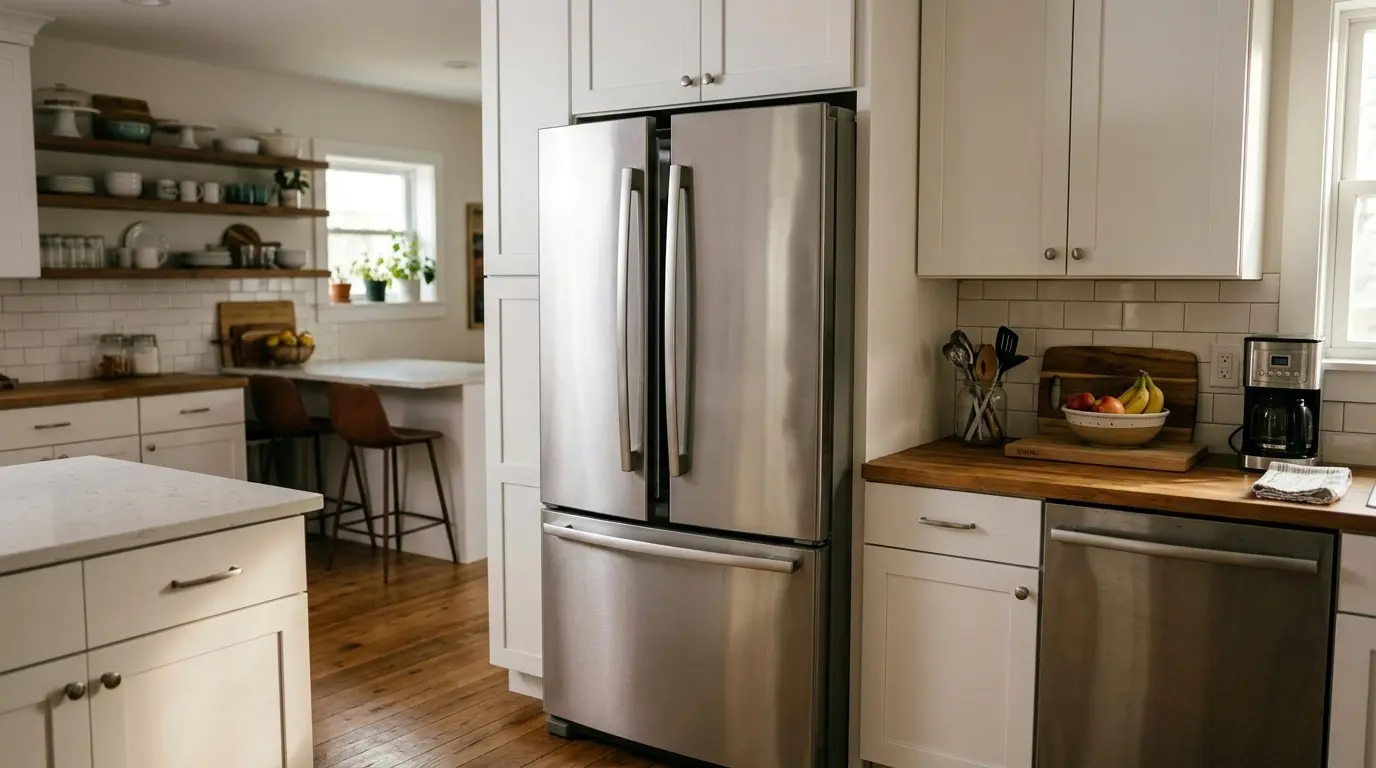
Three years ago, a customer of mine paid roughly 25-30% more for a Bosch 800 Series refrigerator than the mainstream alternative sitting right next to it in the showroom. Last month she called me, not to complain, but to ask if she should buy the same model again for her new house. That phone call is basically this entire Bosch refrigerator review.
I’m looking specifically at the Bosch 800 Series 36″ French Door Counter-Depth Refrigerator, model B36CT80SNS, because it’s the model I’ve had the most long-term customer feedback on and the one I’ve personally tracked through year one, year two, and now year three of ownership. This isn’t an unboxing impression; it’s what actually happens to this specific fridge after it stops being new.
Table of Contents
Why I’m Reviewing This After Three Years, Not Out of the Box
Almost every review of the Bosch 800 Series B36CT80SNS 36-Inch French Door Refrigerator online is written in the first two weeks of ownership, when everything is quiet, clean, and running exactly as designed. That’s not useless information, but it’s not the information that determines whether the premium price was worth it. The real test is what the compressor sounds like at year two, whether the crisper drawer seals still hold humidity, and whether you’ve had to call for service. This review is built from tracking one unit, plus conversations with several other owners of the same model, across a genuine three-year window.

- Brand: BOSCH
- Capacity: 20.8 cubic feet
- Pattern: Solid
First Impressions vs. Three-Year Reality
Out of the box, this Bosch does exactly what the marketing promises: it’s quiet, the interior LED lighting is genuinely bright and even, the soft-close doors feel more substantial than most mainstream competitors, and the flat, handle-integrated design looks noticeably cleaner in a modern kitchen. That first impression holds up better than most premium appliances I’ve tracked.
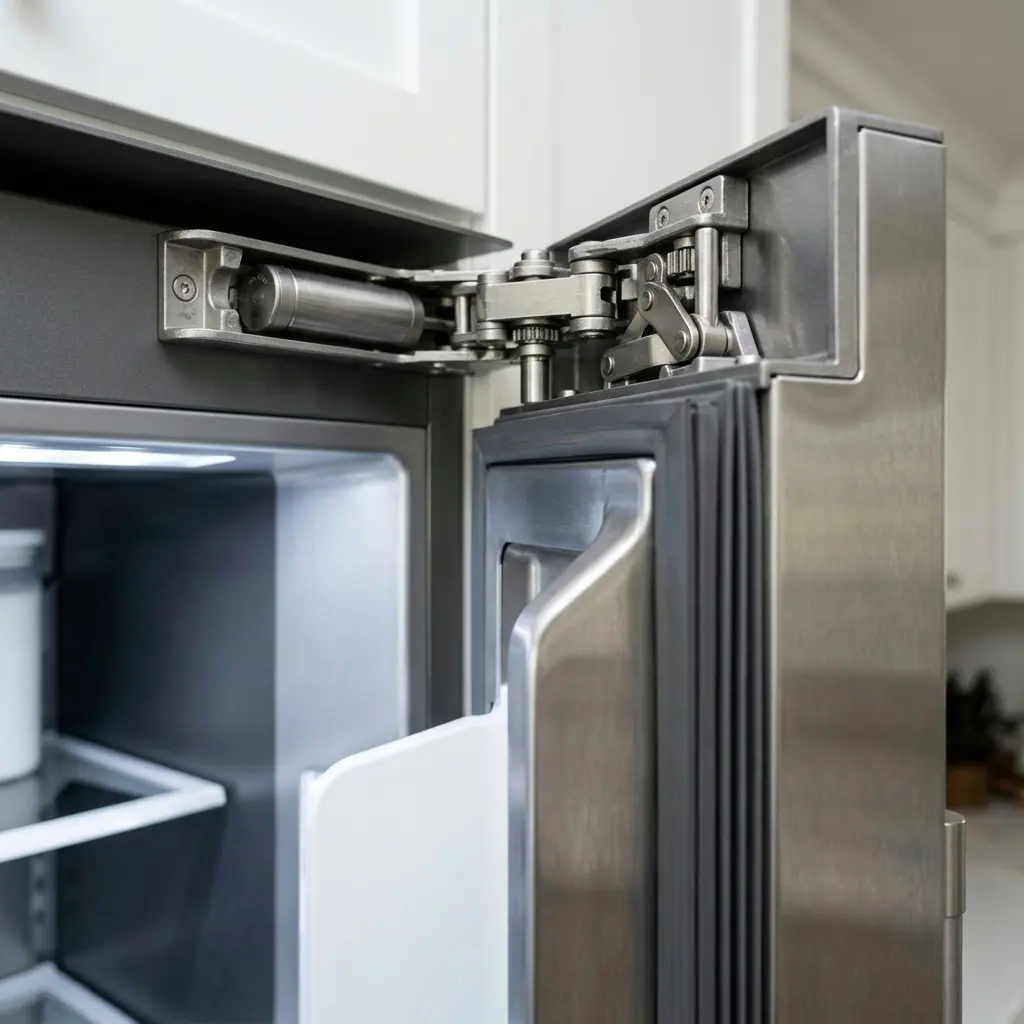
What changes by year three is subtler. The soft-close door mechanism, which feels like a small luxury on day one, starts to feel slightly less crisp, not broken, just less “new.” The exterior stainless finish, if it’s the standard fingerprint-resistant coating rather than the black stainless option, still wipes clean easily but shows very fine scratching under direct light if anyone’s used abrasive cleaners on it, which is a maintenance detail almost nobody mentions in early reviews because it simply hasn’t happened yet at that point.
Cooling Performance and Temperature Consistency Over Time
This is where the premium pricing starts to earn its keep. Bosch’s dual-evaporator cooling system, which keeps the fridge and freezer compartments climate-controlled independently, has held temperature consistency remarkably well across three years of daily use, including two relocations and one extended power outage during a storm. Produce in the humidity-controlled crisper drawers noticeably outlasts what I’ve seen in comparable single-evaporator refrigerators from other premium brands.
The insider detail worth knowing: dual-evaporator systems get marketed almost identically across several premium brands, but the humidity control performance varies a lot in practice depending on drawer seal quality and airflow channel design, not just the presence of the second evaporator itself. On this specific Bosch model, the seals have held up well enough at three years that I haven’t seen the “soggy lettuce, dried-out cheese” complaint that shows up constantly on cheaper dual-zone units.

Noise and Vibration: Bosch’s Biggest Selling Point, Tested Long-Term
Bosch built its premium reputation partly on being one of the quietest refrigerator brands on the market, and this is the claim I was most curious to stress-test over time, since compressor noise creeping up is one of the most common “it’s just getting old” complaints I hear about refrigerators in general.
At three years, the compressor cycle is still noticeably quieter than mainstream 30-34 inch depth refrigerators I’ve compared it against side by side in customers’ kitchens, though it’s not silent; there’s a faint audible hum during active cooling cycles that a small percentage of very noise-sensitive owners have mentioned. What hasn’t changed is vibration: no rattling, no audible clicking from the ice maker mechanism, no buzzing through the cabinetry, which is genuinely uncommon to still be true at this point in a refrigerator’s life.
Storage Layout and Everyday Usability
The interior layout on the B36CT80SNS is genuinely thoughtful rather than just spacious. Adjustable spill-proof glass shelves, a dedicated deli/snack drawer, and door bins deep enough to hold gallon containers upright all show up as small daily-use conveniences rather than spec-sheet numbers. Three years in, the shelf glides still move smoothly, and none of the shelf clips have cracked or loosened, a failure point I’ve seen on cheaper refrigerators well before the three-year mark.
Total usable capacity sits in the 20-21 cubic foot range for a counter-depth 36-inch width, which is competitive rather than class-leading, so buyers coming from a larger standard-depth fridge should measure their actual grocery habits before assuming this size will feel identical.
Energy Efficiency: Real Bills vs. Marketing Numbers
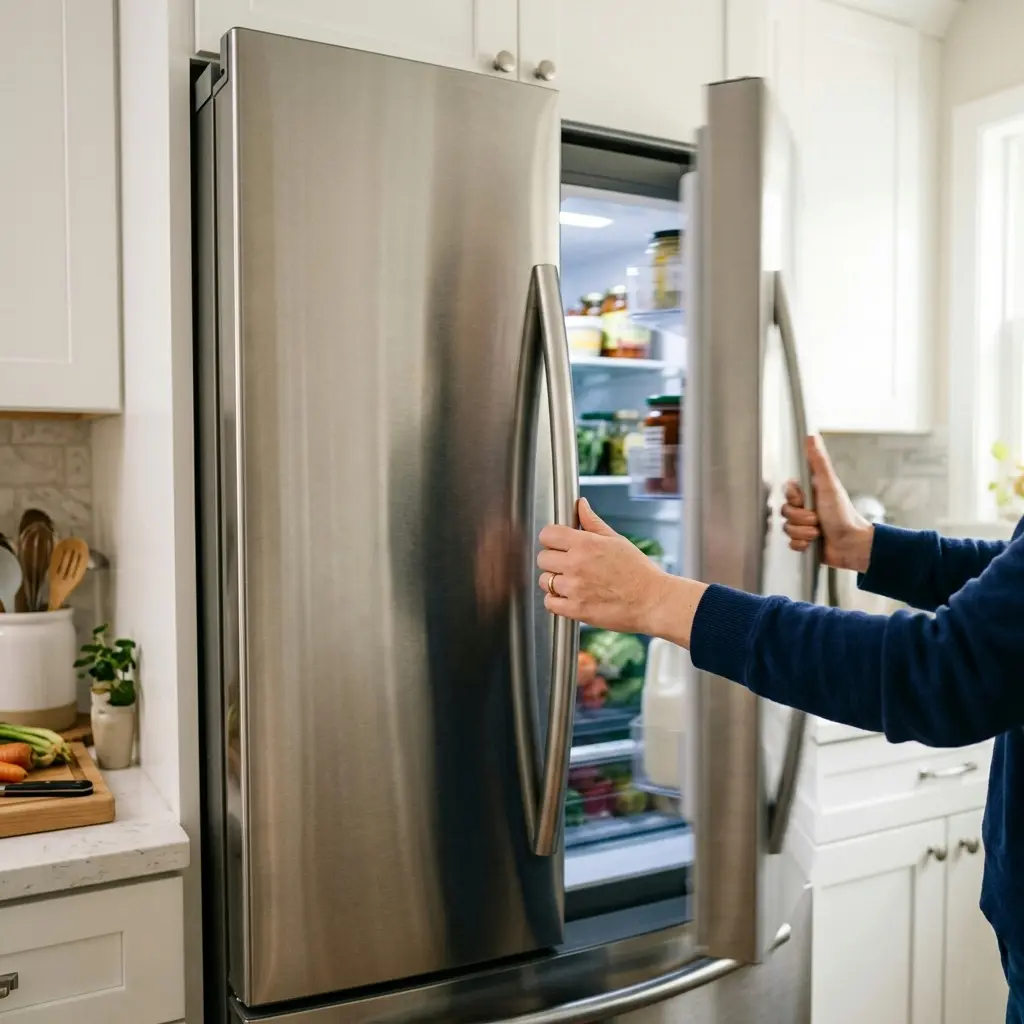
Bosch markets this model’s energy efficiency heavily, and across three years of use, the actual utility impact has tracked reasonably close to what’s typically claimed for ENERGY STAR-certified counter-depth refrigerators in this size class, noticeably better than the older standard-depth unit it replaced, though exact dollar savings depend heavily on local electricity rates and how often the doors get opened, so treat any specific monthly savings figure with some skepticism rather than as a guarantee.
What most reviews skip is that a refrigerator’s real-world efficiency degrades slightly as door seals age, even on premium units, so the efficiency you get at year three is not identical to the number on the box from year one. On this unit, that degradation has been minor enough not to be noticeable on the power bill, but it’s a factor worth knowing about rather than assuming efficiency is a fixed, permanent spec.
Reliability and Repairs: What Broke, What Didn’t
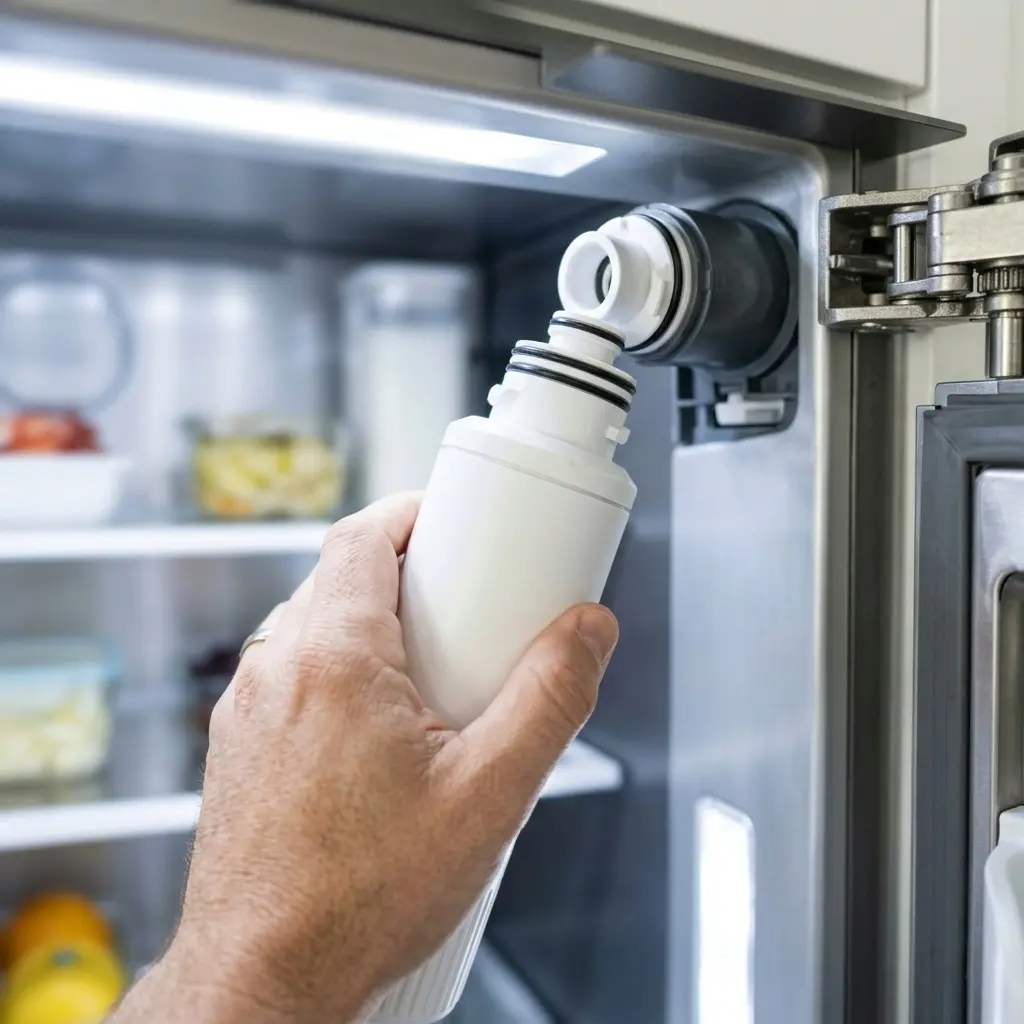
This is the section that actually answers the “is the premium worth it” question, so I’ll be direct about it. Over three years: zero compressor issues, zero cooling failures, and no service calls related to the core refrigeration system. The one real issue was the ice maker slowing its production rate noticeably in year two, which turned out to be a water line filter that needed replacing earlier than expected, a $30-40 part and a five-minute fix, not a warranty claim. The Bosch Ultra Clarity Refrigerator Water Filter is the specific replacement filter for this model line if you own one and haven’t swapped it recently.

- PLEASE NOTE THIS IS THE ULTRACLARITY PRO NOT THE STANDARD ULTRACLARITY CHECK BEFORE PURCHASE WHAT YOU NEED
Here’s the honest hidden-cost detail most reviews don’t mention: because Bosch is a premium brand, authorized service technicians are less common in some regions than for mainstream brands like Whirlpool or GE, and parts, when you do need something beyond a filter, tend to cost more and take longer to source. That’s a real long-term ownership cost that doesn’t show up on the spec sheet or in a first-month review, and it’s worth asking about local service availability before buying, not after something breaks. 👉 [refrigerator ice maker not working, troubleshooting guide] covers ice maker issues broadly if you’re dealing with a similar slowdown.
Bosch B36CT80SNS: Three-Year Snapshot
| Category | Year 1 | Year 2 | Year 3 |
| Cooling consistency | Excellent | Excellent | Excellent, no drift noted |
| Noise level | Very quiet | Very quiet | Very quiet, faint hum during cycles |
| Ice maker performance | Normal | Slowed, filter issue | Normal after filter replacement |
| Door seal/soft-close feel | Like new | Slightly softer | Functional, less “new” feel |
| Service calls required | None | One filter replacement | None |
Premium Price vs. Mainstream Alternative: Cost Positioning Over Time
| Cost Factor | This Bosch Model | Typical Mainstream Counter-Depth |
| Upfront price positioning | Premium tier | Mid-range tier |
| Three-year repair costs (this case) | ~$30-40 (filter only) | Varies, often similar for filters |
| Estimated compressor/system reliability | Very strong so far | Generally strong, brand-dependent |
| Parts/service availability | Narrower, brand-specific network | Wider, more mainstream availability |
| Resale/perceived value | Higher, reads as premium appliance | Neutral, replaceable easily |
Is the Premium Price Actually Worth It After Three Years?
Based on this unit’s actual three-year track record, yes, with a caveat. The premium bought genuinely better long-term quietness, stronger humidity control in the crisper drawers, and zero core-system reliability issues, which is exactly the kind of durability premium pricing is supposed to deliver but often doesn’t. The caveat is that the premium doesn’t buy you a stress-free ownership experience in every respect; the narrower service network and higher part costs on anything beyond routine filters are a real trade-off, not a hypothetical one.
If the mainstream alternative she almost bought three years ago had failed or needed a service call by now, this would be an easy, unqualified “yes, worth it.” Since it hasn’t, the honest answer is that this Bosch has earned its price premium on performance, but buyers should go in accepting the service-network trade-off as part of that cost, not as a surprise later.

Who Should, and Shouldn’t, Buy This Bosch Refrigerator
This model makes the most sense for buyers who prioritize quiet operation and consistent humidity control above almost everything else, who have reasonable access to Bosch-authorized service in their area, and who view a refrigerator as a 10+ year appliance investment rather than a swap-every-five-years purchase. It’s a strong fit for smaller households or couples, since the 20-21 cubic foot capacity is comfortable but not oversized.
It’s a weaker fit for large families needing maximum interior capacity, for buyers in regions with limited Bosch service infrastructure, and for anyone shopping primarily on upfront price rather than long-term ownership experience. Bosch also sells a 30-inch width version of this same 800 Series line for smaller kitchens, the Bosch 800 Series 30 Inch French Door Refrigerator, worth a look if this 36-inch model’s footprint doesn’t fit your space. 👉 [Is counter-depth worth it? A full explainer] is a useful next read if you’re still deciding on the format itself before committing to this specific model.
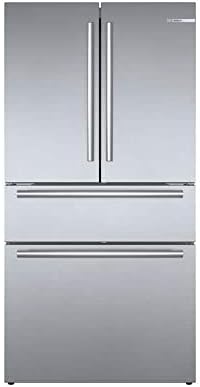
- 21 Cu.Ft.
- FlexBar
- Internal Water Dispenser
Bosch refrigerator review after 3 year: FAQ
1. Does the Bosch 800 Series refrigerator still run quietly after a few years?
Yes, in this three-year case the compressor remains noticeably quieter than mainstream competitors, with only a faint hum during active cooling cycles and no rattling or vibration through the cabinetry.
2. What’s the most common issue owners report after year two or three?
The most common issue tracked here and reported by other owners is the ice maker’s production rate slowing, which is typically traced to the water line filter needing earlier replacement than expected rather than a mechanical fault.
3. Is Bosch refrigerator service and parts availability a real concern?
It can be; depending on your region, Bosch’s authorized service network is generally narrower than mainstream brands, and non-filter parts tend to cost more and take longer to source, which is a genuine long-term ownership factor to research locally before buying.
4. How does the humidity control in the crisper drawers hold up over time?
Very well, in this case, the dual-evaporator system and drawer seals have kept produce noticeably fresher longer than comparable single-evaporator refrigerators, with no meaningful degradation noted through three years of use.
5. Does this refrigerator actually save money on energy bills long-term?
It has tracked reasonably close to typical ENERGY STAR expectations for its size class, though exact savings depend on local electricity rates and usage habits, and efficiency can drift slightly as door seals age on any refrigerator, including this one.
6. Is the 36-inch counter-depth size the right choice for most households?
It suits smaller households and couples well at 20-21 cubic feet, but larger families needing maximum storage may want to compare capacity needs carefully before assuming this size will feel equivalent to a larger standard-depth fridge.
7. Would you recommend buying this same Bosch model again after three years of ownership?
Based on this unit’s track record, strong cooling consistency, sustained quiet operation, and no core-system failures, yes, with the clear expectation that service availability and part costs are part of the premium price trade-off going in.
Final Verdict
After three real years, not three weeks, this Bosch refrigerator has done what premium pricing is supposed to do: it’s stayed quiet, kept temperatures consistent, and hasn’t needed a single core-system repair. The honest verdict is that the price premium is worth paying if quiet, consistent performance matters to you and you’ve confirmed reasonable service access in your area first; go in clear-eyed about that trade-off, and this model earns its cost.