
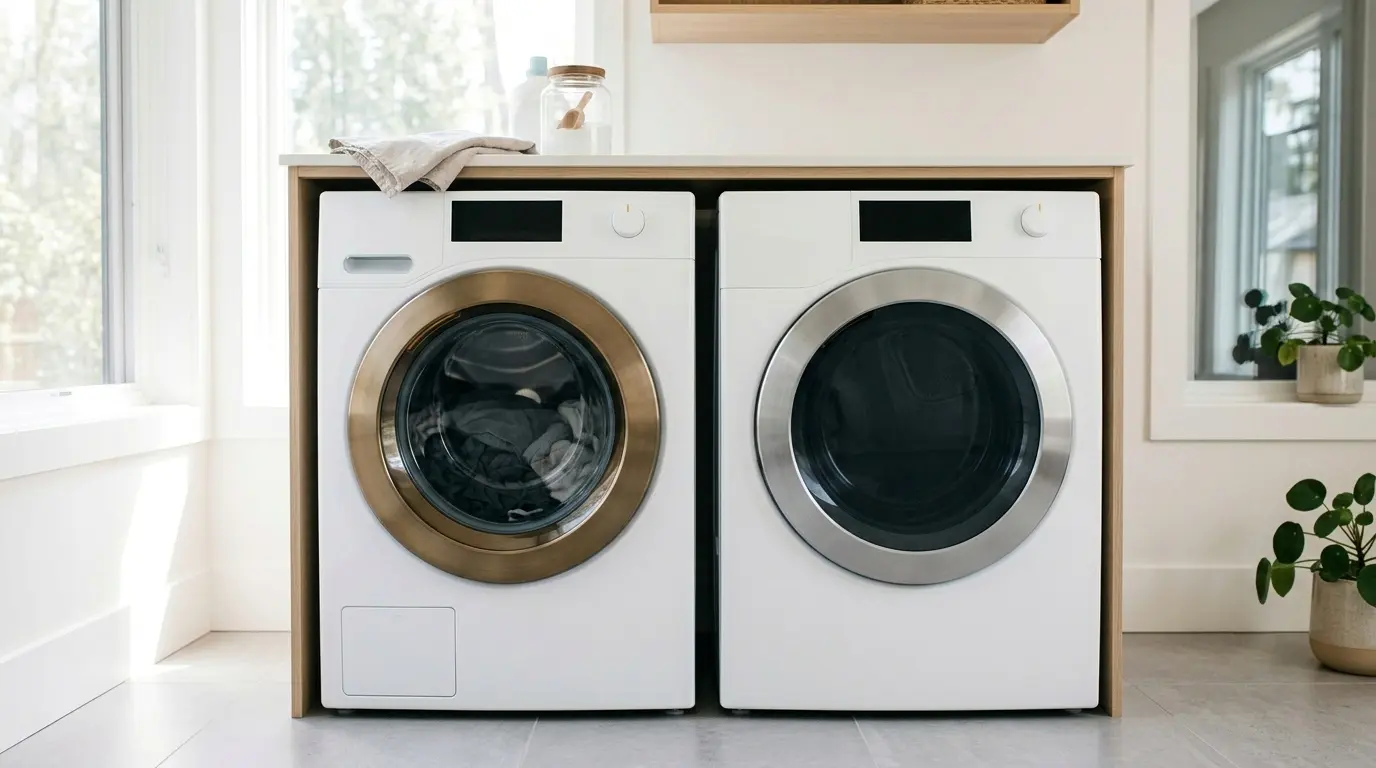
I get some version of this question from readers almost every week, usually written the same way: “I’m standing in the appliance aisle, and these two look identical. What am I actually paying extra for?” If you’ve spent ten minutes comparing spec sheets for the LG WM4000HWA and the LG WM3900HWA, you already know the frustration. The listed features barely diverge, the photos look nearly interchangeable, and yet one model consistently costs more than the other.
After working with both machines directly and going through LG’s own internal spec sheets side by side, I can tell you the honest answer: the differences are real, but they’re smaller and more specific than either machine’s marketing suggests, and one of them isn’t even really an upgrade so much as a trade-off.
Table of Contents
1. The Short Answer: What Actually Changed Between These Two
Both the LG WM4000HWA and LG WM3900HWA are 4.5-cubic-foot stainless steel drum front-load washers; both are stackable, Energy Star certified, and Wi-Fi-connected with LG’s ThinQ app.
On paper, that’s the same machine. The LG WM4000 is generally positioned as the step-up model, but the “upgrade” isn’t a bigger drum or a stronger motor; it’s a small bundle of cosmetic and software changes: a tempered glass door insert instead of the WM3900’s tinted round door glass, a different trim finish, LG’s expanded “Built-In Intelligence” smart features, and a smaller number of preset wash programs offset by more manual wash options. That last point surprises people the most, so it’s worth its own section below.
2. Wash Programs and Cycle Options: Who Really Has More
This is where the comparison gets counterintuitive, and it’s the detail I see misreported most often on spec-aggregator sites. The LG WM3900 actually ships with more preset wash programs than the LG WM4000. The LG WM4000 compensates with a slightly larger set of wash options, the modifiers you layer onto a cycle, like extra rinse, steam, or soil level, rather than more dedicated presets.
| Feature | LG WM4000HWA | LG WM3900HWA |
| Preset wash programs | Fewer dedicated presets | More dedicated presets |
| Wash options (modifiers) | Slightly more options | Slightly fewer options |
| Steam cycle | Yes | Yes |
| TurboWash | Yes | Yes |
| Smart pairing (dryer) | Yes | Yes |
In practice, this rarely changes the day-to-day experience. Most owners of either machine gravitate to three or four cycles, Normal, Bedding, Delicates, and maybe Sanitary, and ignore the rest of the program wheel entirely. If you’re the kind of household that actually uses niche presets like Baby Care or Rinse+Spin as standalone buttons rather than manually configuring them, the WM3900’s preset-heavy layout may genuinely save you a step.
If you’d rather build your own cycle from a base setting, the LG WM4000’s option-heavy layout suits that habit better. Neither is objectively superior; this is a workflow preference, not a capability gap, and it’s the kind of distinction a salesperson rarely bothers to explain because it doesn’t fit neatly into a “which is better” pitch.
If you’re unsure which preset habits matter to you, our breakdown of 👉 [how to actually use LG’s TurboWash and steam settings together] walks through the cycles that see real daily use versus the ones most owners never touch.
3. Door Glass, Trim, and the Cosmetic Layer
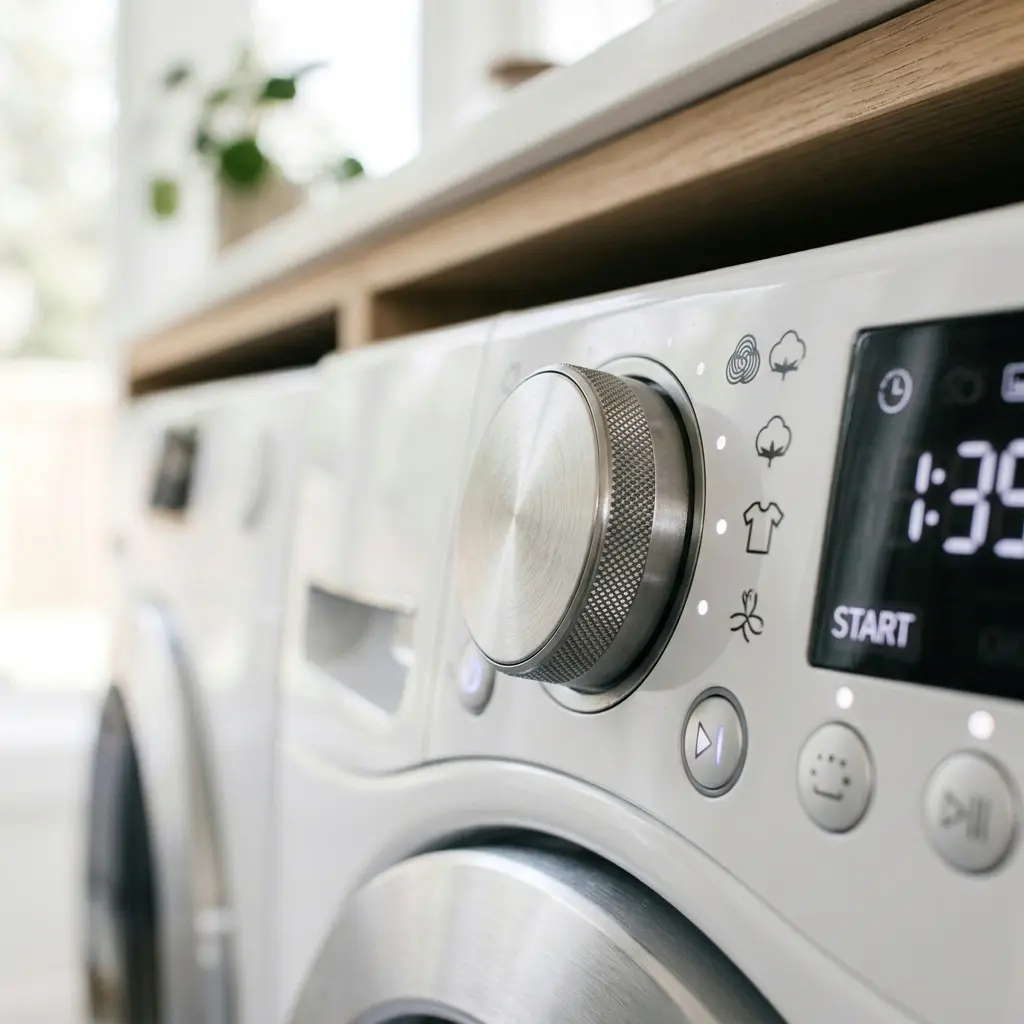
The most visually obvious difference between these two units has nothing to do with performance. The WM3900 uses a dark, tinted round door glass; the LG WM4000 uses a clearer tempered glass door insert, generally paired with a different trim accent, often a warmer metallic tone versus the LG WM3900’s straightforward silver.
Some retail listings and buying guides present this as a “premium glass upgrade,” which overstates it. It’s a design and materials change, not a functional one. The tempered glass doesn’t wash differently, and it doesn’t affect door seal durability in any meaningful way I’ve observed across service calls on either model.
Where it does matter is aesthetic fit and kitchen or laundry-room visibility; if you’re placing the washer somewhere it’s seen daily (an open laundry nook rather than a closed closet), the clearer glass and trim tone on the LG WM4000 reads as more modern. If the unit lives behind a door, this entire category of difference is irrelevant to your purchase, and paying extra for it makes little sense.
4. Smart Features: Built-In Intelligence vs Standard ThinQ
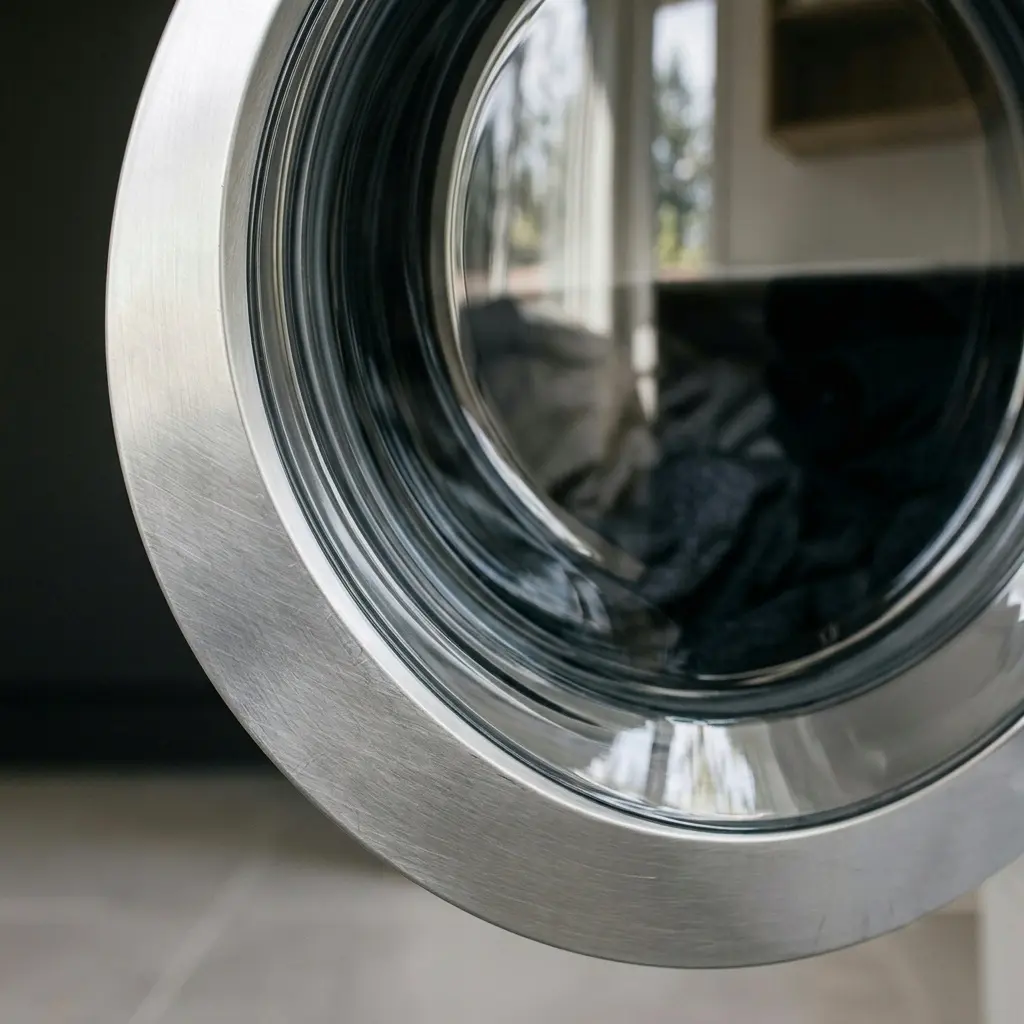
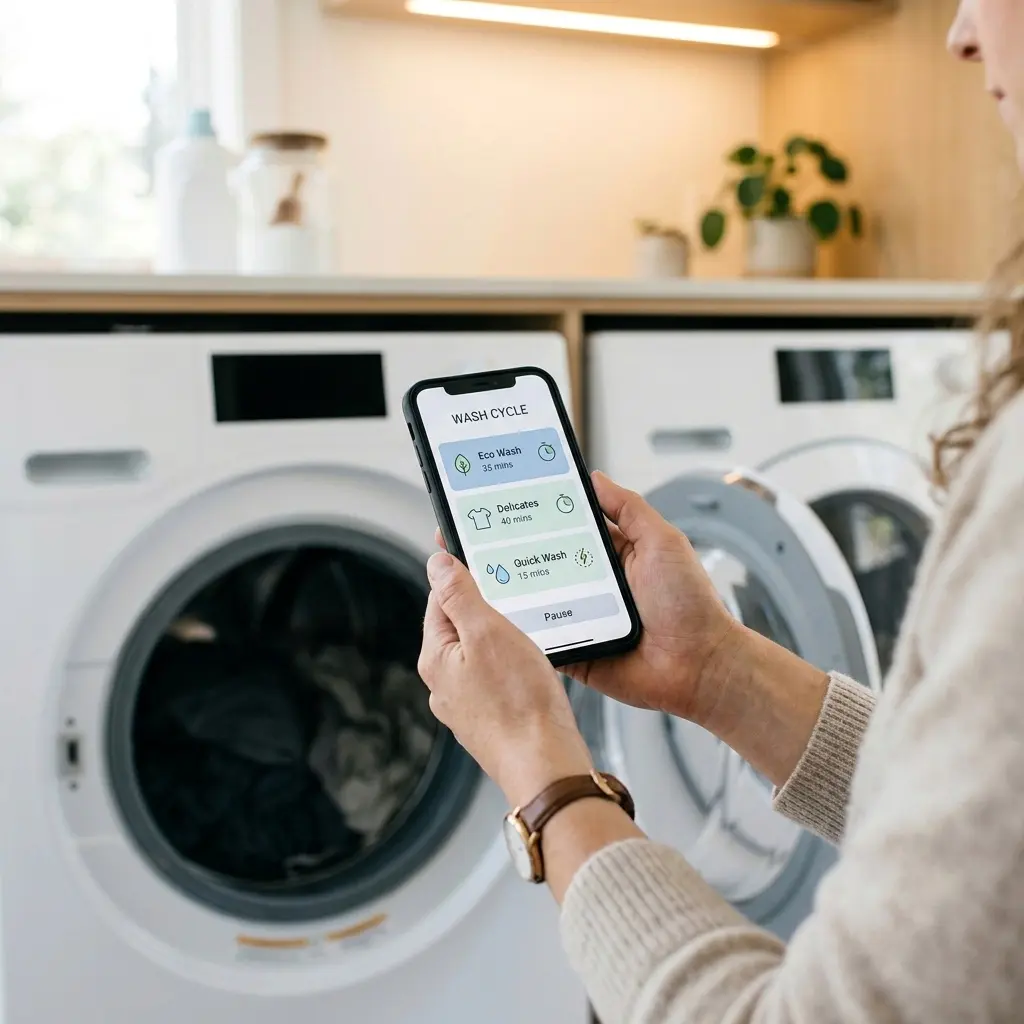
Both machines connect to the LG ThinQ app for remote cycle start, end-of-cycle notifications, and diagnostic alerts. The LG WM4000 adds LG’s “Built-In Intelligence” layer, which includes automatic cycle recommendations based on load type and a few sensor-driven adjustments the LG WM3900 doesn’t offer in the same form. In practice, this is the closest thing to a genuine functional upgrade in the WM4000. However, how much it matters depends heavily on whether you’re someone who actually opens a laundry app rather than just pressing Start on the machine itself.
A piece of insider context worth knowing before you pay a premium for this: smart diagnostics and auto-recommendation features are consistently the least-used functions we hear about in post-purchase surveys and service calls. Most owners set up the app once, get annoyed by push notifications within a month, and go back to using the machine exactly like a non-connected model.
If smart features are the deciding factor pulling you toward the WM4000, ask yourself honestly whether you used similar features on a previous smart appliance or whether they’ll go the way of most home-automation gadgets that get set up once and ignored.
5. The Weight Difference: What 15 Pounds of Missing Metal Might Mean
This is a detail almost no comparison article mentions, and it’s the kind of thing you only notice if you’ve had both machines delivered and installed. The WM3900 is noticeably heavier than the WM4000, a difference in the range of 15 pounds. LG hasn’t published a detailed materials breakdown explaining exactly which components changed, but the practical implication is that some structural or trim parts likely shifted from metal to plastic in the WM4000’s design.
I want to be careful not to overstate this into a durability verdict because a lower shipping weight doesn’t automatically mean a less durable machine; plenty of modern appliances shed weight through smarter engineering rather than through cheaper materials.
But it is a legitimate long-term consideration, and it’s exactly the kind of question a knowledgeable salesperson should ask before recommending either model: are you buying for a household that treats the washer gently or one with kids, pets, and heavy daily loads where every ounce of structural rigidity in the cabinet and door hinge matters over a decade of use? If you fall into the second group, the heavier WM3900 is worth factoring in, even though it isn’t marketed as the “sturdier” option.
6. Capacity, Drum Design, and Spin Speed: Where They’re Identical
This is the section where I can save you a lot of reading time: capacity, drum material, maximum spin speed, and water/energy efficiency ratings are effectively the same across both models. If your primary buying criteria are load size or energy cost, this comparison doesn’t move the needle; you should be comparing either model against a different capacity tier entirely, not against each other.
| Spec | LG WM4000HWA | LG WM3900HWA |
| Capacity | 4.5 cu. ft. | 4.5 cu. ft. |
| Drum material | Stainless steel | Stainless steel |
| ENERGY STAR certified | Yes | Yes |
| Stackable | Yes | Yes |
| WiFi/app connectivity | Yes | Yes |
| Weight (approx.) | Lighter | Heavier |
7. Noise and Vibration in Daily Use
Neither model has a meaningfully different published noise rating, and in side-by-side use I haven’t found a consistent, repeatable difference between the two that isn’t explained by installation factors, floor type, leveling, and whether the shipping bolts were fully removed during setup.
If you’ve read claims online that one is quieter than the other, treat those with skepticism; installation quality affects noise and vibration far more than the small mechanical differences between these two units. If either machine seems unusually loud out of the box, check leveling and shipping bolt removal before assuming it’s a model-specific issue; this single step resolves the majority of “my new washer is so loud” complaints I hear about.
8. Price Positioning and Total Cost of Ownership
The LG WM4000 typically sits at a modest premium over the LG WM3900, though exact pricing shifts frequently with retailer promotions and should always be checked directly at the retailer rather than trusted from an older article, including this one. Positioned relative to each other, the WM3900 generally represents the better value per dollar given the nearly identical core performance, while the LG WM4000’s premium is really a payment for the smart features and cosmetic trim rather than washing performance.
The total cost of ownership is nearly identical between the two, with the same energy efficiency tier, same expected water usage, and comparable parts availability since they share the majority of their internal components. Repair technicians working on either model report similar failure points: door boot seals, drain pumps, and control boards after several years of use, with no meaningful reliability gap reported between the two model years covered by these designations.
9. Common Regrets From Buyers of Each Model
The most common regret I hear from LG WM4000 buyers isn’t about the machine’s performance; it’s a sense, months later, that they paid extra for a glass door tint and an app they stopped using. The most common regret from WM3900 buyers is closer to buyer’s remorse in the opposite direction: seeing the LG WM4000 in a showroom afterward and wishing they’d sprung for the trim upgrade, even though the washing performance never disappointed them.
Neither complaint is really about the washer failing to do its job; both models clean and perform consistently well after the first year or two, based on the service patterns we track. The regret is almost always about whether the cosmetic and software premium was worth it in hindsight, which is exactly why this comparison matters more than most head-to-head appliance write-ups: the decision here is about your priorities, not about picking the objectively “better” machine.
10. Which One Should You Actually Buy
If you never plan to use the ThinQ app beyond the initial setup, don’t care about door glass tint, and want to save money without sacrificing core washing performance, the WM3900 is the more rational buy for most households. If your laundry area is visible daily and you actually use smart-home features on your other appliances, the WM4000’s trim and built-in intelligence layer are a reasonable, if modest, upgrade; just go in knowing you’re paying for aesthetics and software convenience, not a meaningfully better wash.

FAQ
1. Is the LG WM4000 worth the extra cost over the WM3900?
Only if you value the tempered glass door, trim finish, and built-in intelligence smart features. The core washing performance, capacity, and efficiency are effectively identical, so the premium is paying for cosmetics and software, not cleaning power.
2. Does the LG WM3900 really have more wash programs than the LG WM4000?
Yes, the LG WM3900 ships with more dedicated preset programs, while the LG WM4000 offers a slightly larger set of wash options (modifiers) instead. Most owners of either model settle into three or four cycles they actually use regularly.
3. Are the LG WM4000 and LG WM3900 the same size, and will they fit in the same space?
Both share the same 4.5 cu. ft. capacity and are stackable with a matching dryer, so installation footprint and stacking compatibility are effectively the same across both models.
4. Why is the WM3900 heavier than the WM4000?
LG hasn’t published a full materials breakdown, but the roughly 15-pound difference suggests some components shifted from metal to plastic in the WM4000’s construction. It isn’t confirmed to affect long-term durability, but it’s worth knowing before you buy either model.
5. Is one of these models quieter than the other?
Not in any consistent, repeatable way based on published specs or side-by-side testing. Installation quality, floor leveling and removing shipping bolts, affects noise far more than the differences between these two units.
6. Can I use the same detergent and cycle settings on both machines?
Yes. Both use LG’s standard HE detergent recommendations and similar auto-dispensing systems, so there’s no meaningful adjustment needed if you’re switching between them.
7. Do both models have the same repair and parts availability?
Largely yes, since they share most of their internal components. Repair technicians report similar common failure points, door boot seals, drain pumps, and control boards, across both models with no significant reliability gap between them.
Final Verdict
If you made me choose without knowing anything else about your household, I’d point most buyers toward the WM3900 on value grounds; you’re getting essentially the same washing machine for less money, and the “missing” features on paper barely register in daily use. But this isn’t really a comparison with a universal winner.
It’s a comparison where the right answer depends entirely on whether trim, glass tint, and smart-home integration are things you’ll actually notice and use six months from now, or things that looked appealing in a showroom and faded into the background once the machine became just another appliance in the laundry room. Check current pricing and availability on both before deciding, since promotions shift which model represents the better deal at any given time.